 English
 中文简体
中文简体 русский
 عربى
عربى

Content
- 1 What Is a Butt Weld and Why It Matters in Modern Pipe Systems
- 2 How Butt Fusion Welding Machines Work: The Core Process
- 3 Types of Butt Fusion Welding Machines and When to Use Each
- 4 Compatible Materials: Which Pipes Can Be Butt Weld Fused
- 5 Critical Parameters That Determine Butt Weld Quality
- 6 Butt Weld vs Electrofusion: Choosing the Right Method
- 7 Selecting a Butt Fusion Welding Machine: Key Specifications to Evaluate
- 8 Common Butt Weld Defects and How Butt Fusion Welding Machines Help Prevent Them
- 9 Industry Standards and Certification Requirements for Butt Fusion Welding
- 10 Applications Where Butt Weld Technology Is the Industry Standard
- 11 Maintenance and Inspection of Butt Fusion Welding Machines
What Is a Butt Weld and Why It Matters in Modern Pipe Systems
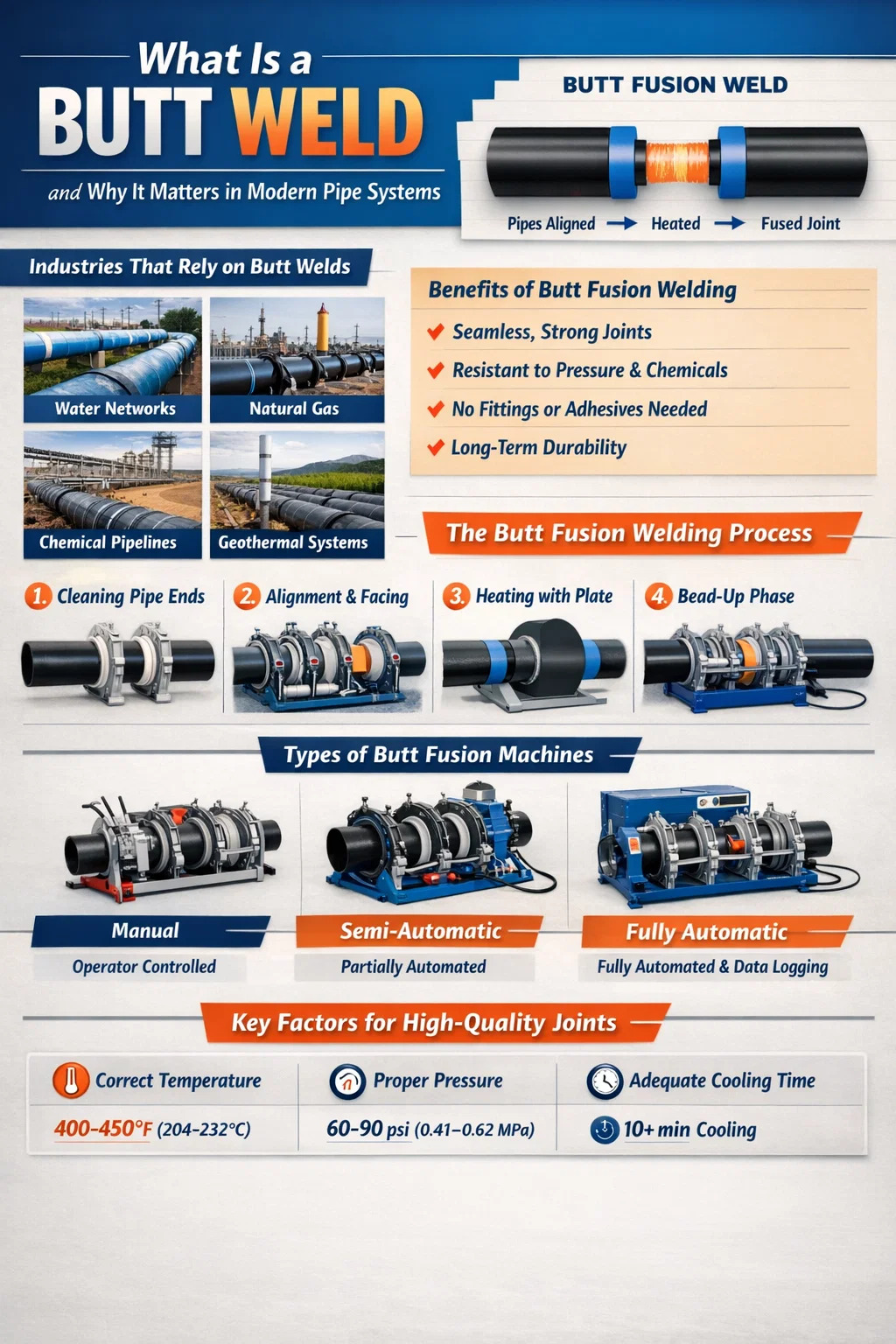
A butt weld is a joint formed by placing two pieces of material end-to-end and fusing them together along their mating surfaces. In the context of thermoplastic pipe systems, this process is known as butt fusion welding — a method that produces a seamless, monolithic connection with joint strength equal to or greater than the pipe itself. No fittings, adhesives, or mechanical connectors are required. The result is a single continuous structure that resists pressure, chemical attack, and mechanical stress with the same integrity as the original pipe.
This matters enormously in industries where joint failure is not an option. Water distribution networks, natural gas mains, industrial chemical pipelines, and geothermal systems all rely on butt weld joints to maintain long-term integrity under fluctuating pressures and harsh environmental conditions. When performed correctly using calibrated butt fusion welding machines and following established procedures such as ASTM F2620, these joints can last 50 years or more in service without maintenance.
The widespread adoption of HDPE (high-density polyethylene) pipes over the past three decades has made butt fusion welding the dominant joining technique for thermoplastic infrastructure. Understanding how butt weld joints work, how butt fusion welding machines operate, and what variables determine joint quality is essential knowledge for project engineers, contractors, and procurement teams alike.
How Butt Fusion Welding Machines Work: The Core Process
Butt fusion welding machines apply a precisely controlled combination of heat and pressure to the prepared ends of two thermoplastic pipes or fittings. The process melts the material at both pipe faces, after which the softened ends are pressed together under a specified force and held until the material cools and re-crystallizes into a unified structure. The simplicity of the concept belies the precision required in execution.
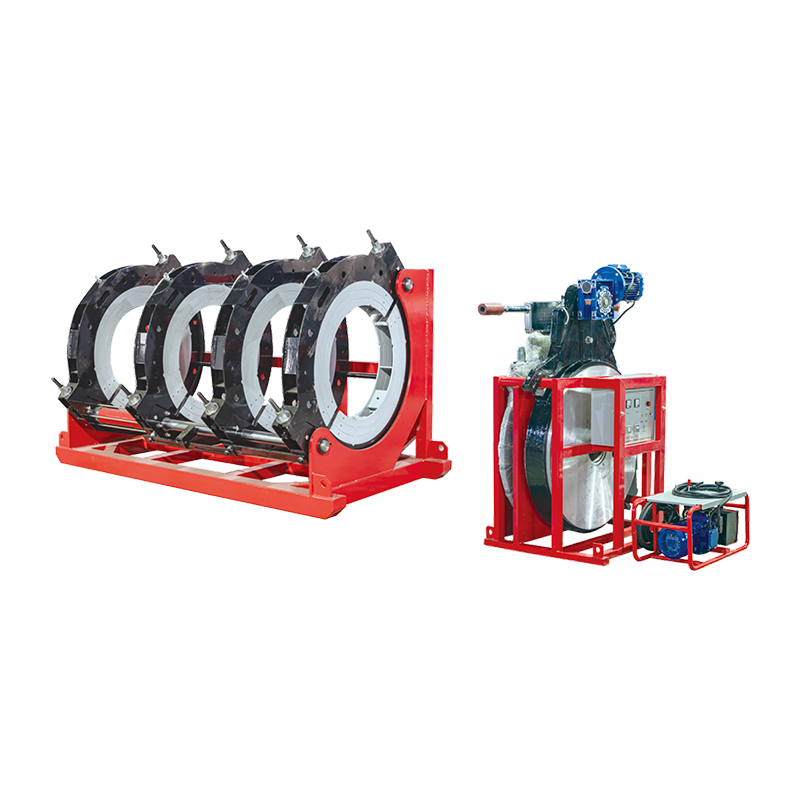
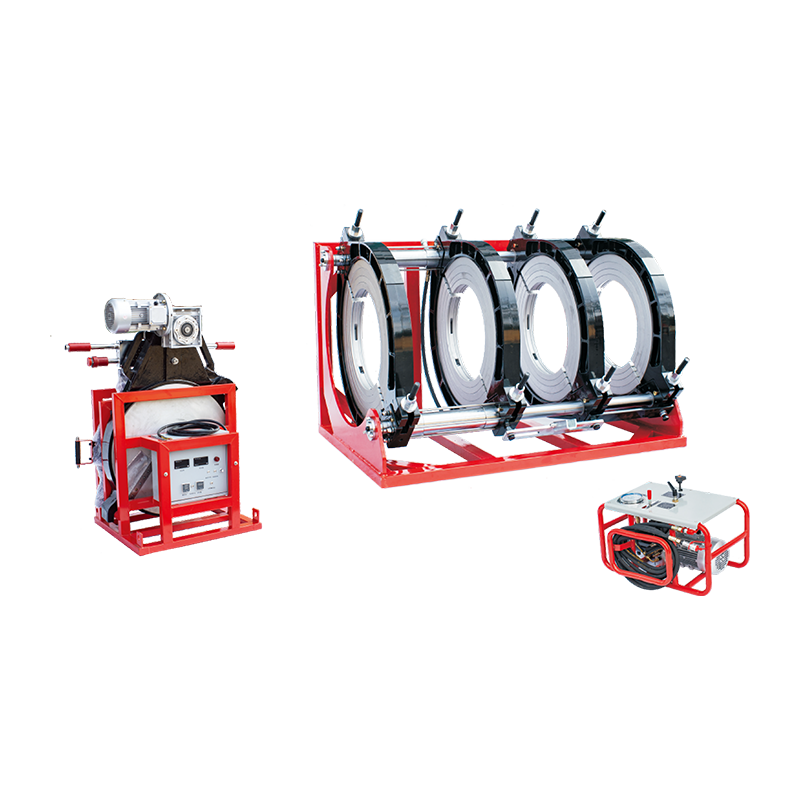
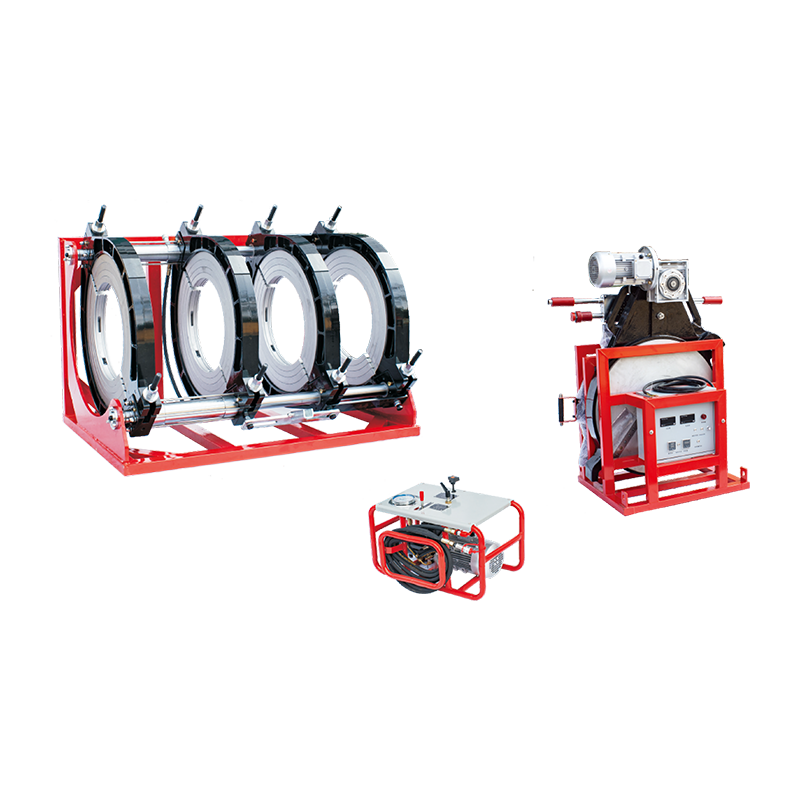
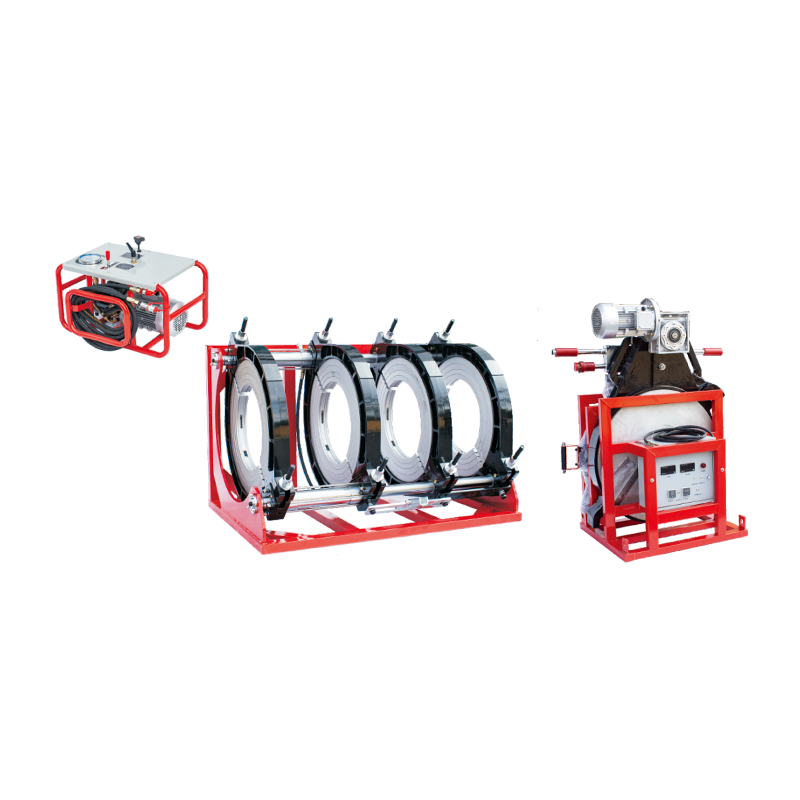
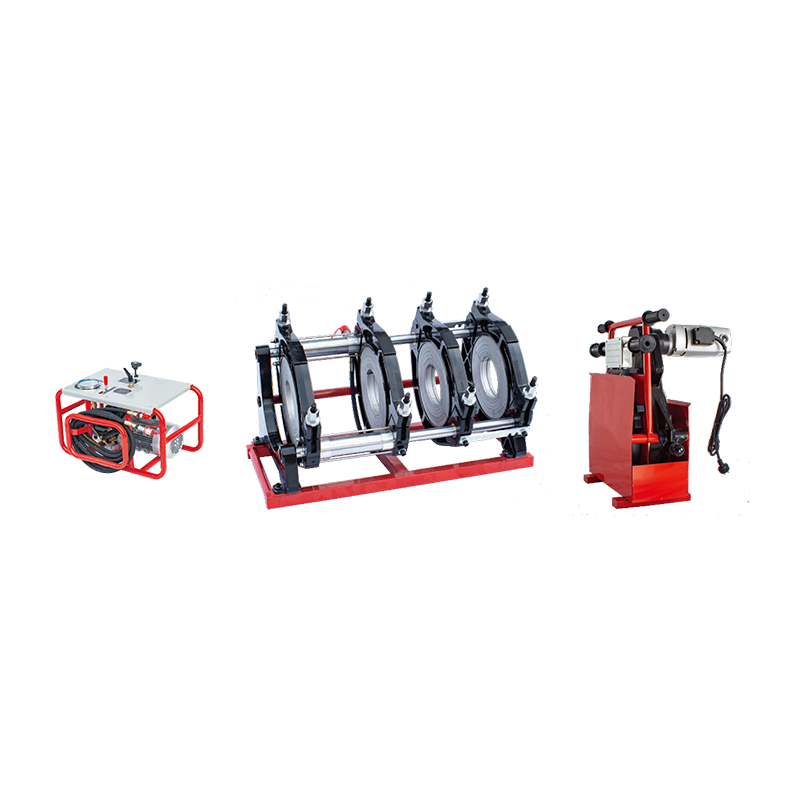
Every butt fusion welding machine, regardless of its automation level, consists of three fundamental components: a clamping and alignment chassis with one fixed side and one movable side; a facer or trimming tool that planes the pipe ends to create flat, parallel, oxidation-free surfaces; and a Teflon-coated heating plate that is inserted between the pipe ends and then removed once the material reaches the correct melt state. Hydraulic pistons or manual screw mechanisms control the force applied during heating and fusion phases.
The Six Stages of a Standard Butt Weld Cycle
A properly executed butt fusion weld always follows the same sequence regardless of pipe diameter or machine type. Skipping or rushing any stage introduces defects that may not be detectable by visual inspection alone.
- Cleaning: Both pipe ends are wiped with lint-free cloths containing at least 99% isopropyl alcohol (IPA). Wipes with lower concentrations such as 70% IPA leave residual moisture on the surface, which directly interferes with the fusion bond. The ends must dry completely before proceeding.
- Clamping and Alignment: Pipes are loaded into the machine clamps. One side is fixed; the other travels on the chassis frame. The ends are brought together to check for ovality and angular misalignment. Any gaps or steps greater than 10% of wall thickness require repositioning before trimming begins.
- Facing/Trimming: The trimming tool is inserted and activated, planing both pipe faces simultaneously until a continuous ribbon of fresh PE material is produced from each face. This removes surface oxidation and ensures the two mating surfaces are perfectly parallel to the heating plate.
- Bead-Up (Heating Phase): The heater plate — set to between 400°F (204°C) and 450°F (232°C), with 425°F being the standard target for most PE materials — is inserted between the pipe ends. Light contact pressure is applied until a uniform melt bead of specified height appears around the entire circumference of both pipe faces.
- Heat Soak: Pressure is reduced to near zero drag pressure and the heat is allowed to penetrate deeper into the pipe wall. This phase is critical for wall thicknesses above 20mm — insufficient heat soak produces cold joints that look correct externally but have poor through-thickness fusion.
- Fusion and Cooling: The heater plate is removed and the two softened pipe ends are brought together under fusion pressure (60–90 psi / 0.41–0.62 MPa interfacial pressure for standard PE pipe). This pressure is held throughout the entire cooling cycle. The joint must not be disturbed until the pipe walls have cooled sufficiently to have re-established structural integrity. Cooling time scales with wall thickness — as a rule, approximately 10 minutes per 25mm of wall thickness is a commonly referenced minimum.
Types of Butt Fusion Welding Machines and When to Use Each
The choice of butt fusion welding machine directly affects weld consistency, operator dependency, traceability, and project throughput. Three distinct machine categories exist, each suited to different project scales and quality requirements.
Manual Butt Fusion Machines
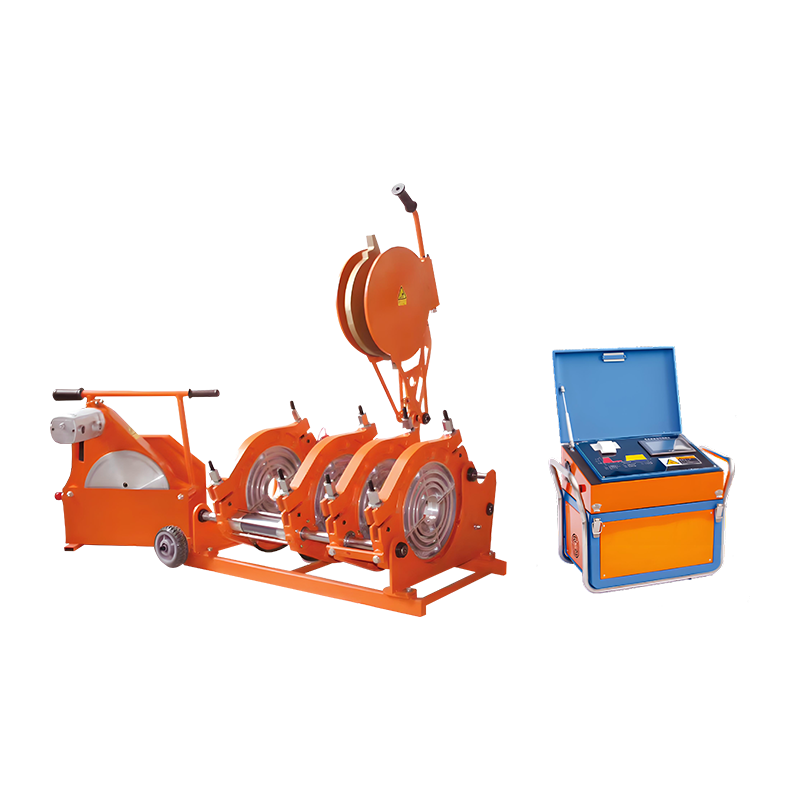
Manual machines place all timing, pressure, and sequence control in the hands of the operator. The welder must manually monitor the melt bead size, time the heat soak, physically remove the heater plate, and apply fusion pressure by turning a screw or lever mechanism. These machines were the industry standard through the 1970s and 1980s and remain relevant for smaller pipe diameters — typically from 20mm to 110mm (¾" to 4" IPS) — and lower-volume applications.
A well-made manual butt fusion machine like a compact HDPE welder rated for 2" to 4" pipe can operate on as little as 1,000 watts at 110V, making it field-portable and generator-compatible. The trade-off is that weld quality is entirely operator-dependent. Fatigue, distraction, or inadequate training produces variable results across a production day. Manual machines produce no digital weld data record, which creates traceability challenges on projects where welding logs are required by specification.
Semi-Automatic Butt Fusion Welding Machines
Semi-automatic machines automate the hydraulic pressure settings for each phase of the weld cycle based on pipe diameter and material inputs provided by the operator. The hydraulic rams apply precise, repeatable forces calculated from the pipe's outer diameter and wall thickness, eliminating the guesswork of manual pressure application. The operator still monitors the melt bead and initiates phase transitions, but pressure control is removed from human judgment.
This category covers the widest range of pipe sizes in practical use — from 90mm up to 630mm (3" to 24") in many product lines. Semi-automatic butt fusion welding machines are the workhorse of mid-scale municipal water and gas pipeline construction. They balance control precision with manageable field cost and are widely available for hire on large infrastructure projects.
Fully Automatic Butt Fusion Welding Machines
Fully automatic machines control the entire weld sequence from heating initiation through to end-of-cooling confirmation, based on parameters entered into the machine's control system before welding begins. The operator inputs pipe outer diameter, wall thickness (SDR rating), material grade, and ambient temperature. The machine calculates and executes all pressures, timings, and phase transitions without further operator intervention. Some models also actuate heater plate removal automatically; others instruct the operator when to remove it manually.
The most significant advantage of fully automatic machines is data logging. Every parameter — pressure curves, temperature profiles, phase durations, alarm events, operator ID, date, and time — is recorded digitally for every single weld. This data can be downloaded via USB, SD card, or transmitted remotely over mobile networks. On major pipeline contracts, this weld data is contractually required as part of the quality assurance record. Modern systems can store upwards of 10,000 individual weld records per machine, enabling full traceability back to each joint in a completed pipe run.
Fully automatic machines also sound alarms and record fault codes when detected anomalies occur — for example, if the heater plate temperature drops out of specification mid-cycle, if interfacial pressure falls below threshold during cooling, or if heat soak time is insufficient. This self-monitoring capability is essential on large-diameter critical infrastructure where a single failed joint can cost tens of thousands of dollars to excavate and repair.
| Feature | Manual | Semi-Automatic | Fully Automatic |
|---|---|---|---|
| Pressure Control | Operator | Machine-controlled | Machine-controlled |
| Phase Timing | Operator | Operator-guided | Fully automated |
| Digital Weld Data | None | Partial | Full record per weld |
| Typical Pipe Range | 20–110 mm | 90–630 mm | 90–1,600 mm |
| Fault Detection | Operator dependent | Limited alarms | Automated alarm & log |
| Capital Cost | Lowest | Medium | Highest |
Compatible Materials: Which Pipes Can Be Butt Weld Fused
Butt fusion welding machines are designed for thermoplastic pipe materials — those that soften when heated and harden on cooling in a reversible physical process. This distinguishes them from thermoset materials, which cannot be re-melted once formed, and from metals, which require entirely different welding technologies.
The most commonly butt-welded thermoplastics include:
- HDPE (High-Density Polyethylene) — by far the most widely used material for butt fusion welding in infrastructure applications. PE100 grade HDPE is the current standard for pressure pipes in water and gas distribution.
- PP (Polypropylene) — including PPR (polypropylene random copolymer) widely used in building services and industrial process piping. PP requires slightly higher heater plate temperatures than PE, typically around 260°C.
- PVDF (Polyvinylidene Fluoride) — used in highly aggressive chemical environments and high-purity applications such as semiconductor manufacturing and pharmaceutical production. PVDF butt fusion requires heater plate temperatures of approximately 260–300°C.
- PB (Polybutene) — used in some hot and cold water systems, particularly in European markets. Less common than PE or PP but fully compatible with standard butt fusion machine tooling.
An important constraint: butt fusion welding machines can only reliably join pipes of the same material and, in most cases, similar SDR (standard dimension ratio) or wall thickness class. Joining PE100 to PE80, for example, or joining materials of very different DR ratings, requires the fusion pressure to be calculated based on the thinner-walled component. Attempting to fuse incompatible materials together — such as HDPE to PP — produces no structural bond and must never be attempted.
Critical Parameters That Determine Butt Weld Quality
Three variables govern whether a butt weld achieves its rated strength: temperature, pressure, and time. All three must fall within specified ranges for every phase of the weld cycle. A deviation in any one of them — even if the other two are correct — can produce a joint that appears sound externally but contains internal defects.
Heater Plate Temperature
For polyethylene pipe, the heater plate surface temperature must be maintained between 400°F (204°C) minimum and 450°F (232°C) maximum, with 425°F (218°C) as the target. Temperature should be verified at the pipe contact face using a calibrated surface pyrometer — not just the internal thermostat reading, which typically reads 10–20°C higher than the actual plate surface. Heater plate temperature that is too low produces insufficient melt depth and a cold, brittle joint. Temperature that is too high degrades the PE material, causing oxidation and a reduction in long-term strength. The Teflon coating on the plate must be inspected before each shift — any PE material sticking to the plate surface contaminates the melt and creates inclusions in the joint.
Interfacial Fusion Pressure
The force applied during fusion must produce an interfacial pressure of 60–90 psi (0.41–0.62 MPa) at the pipe face. This is not the hydraulic pressure reading on the machine gauge — it is the calculated pressure at the pipe-to-pipe interface, derived from the hydraulic cylinder force divided by the cross-sectional annular area of the pipe wall. For large-diameter pipe, this calculation produces hydraulic cylinder pressures that can be several hundred bar. Semi-automatic and fully automatic butt fusion welding machines calculate and apply this automatically when pipe OD and wall thickness are entered. Manual machines require the operator to refer to a pressure table or calculate the required gauge pressure independently.
Cooling Time
Premature release of cooling pressure is the single most common cause of butt weld defects in field conditions. The crystalline structure of PE re-forms during cooling, and any movement or pressure release before this process is complete produces a plane of weakness at the joint. Minimum cooling times scale with wall thickness: for pipes with walls below approximately 12mm, 10 minutes is a practical minimum; for 25mm walls, 20 minutes; for 50mm walls, 40 minutes or more. These are minimums at ambient temperature — cold weather conditions require proportionally longer cooling times, as the rate of heat dissipation from the joint is reduced.
Site and Environmental Conditions
Wind, rain, and low ambient temperature all negatively affect butt fusion weld quality. Wind cools the heater plate surface, reducing the energy transferred to the pipe melt. Rain or condensation on pipe ends reintroduces the contamination risk that cleaning was intended to eliminate. Industry guidelines universally specify that butt fusion welding machines should be operated inside a protective shelter when outdoor conditions are adverse. This need not be elaborate — a simple tent structure anchored around the machine is sufficient. What matters is preventing wind chill on the heater plate and debris ingress into the fusion zone. At ambient temperatures below 0°C, pre-heating the pipe ends and extending heat soak time may be specified by the welding procedure.
Butt Weld vs Electrofusion: Choosing the Right Method
Butt fusion welding is not the only method for joining thermoplastic pipes. Electrofusion — which uses embedded resistance wire coils inside prefabricated fittings to generate heat from within the joint — is the other major technique. Each has specific applications where it is the better choice, and understanding the distinction avoids costly errors in design or specification.
Butt fusion welding is preferred for:
- Straight pipe-to-pipe joins in long runs where the pipe can be freely aligned in the machine
- High-volume production welding where cycle speed and cost per joint matter — no consumable fittings are required
- Larger diameter pipe from 90mm upward, where butt fusion machines provide better economy than electrofusion fittings, which increase sharply in cost at larger sizes
- Applications requiring full pipe bore at the joint, with no flow restriction from an internal fitting collar
Electrofusion is preferred for:
- Repairs in confined spaces or trenches where there is insufficient room to maneuver a butt fusion welding machine around the pipe
- Connections to fittings such as tees, elbows, and reducers where butt fusion geometry is impractical
- Joining pipes that are already installed in the ground and cannot be pulled free for machine access
- Smaller diameter pipes (typically below 63mm) where the economics of electrofusion fittings are more favorable
On most large infrastructure projects, both methods are used together. Butt fusion welding machines handle the straight pipe runs, while electrofusion couplers and fittings handle connections to valves, tees, and terminations. The welding procedure document for the project specifies which method is required at each joint type.
Selecting a Butt Fusion Welding Machine: Key Specifications to Evaluate
Purchasing or hiring a butt fusion welding machine requires matching the machine's capabilities to the specific pipe work at hand. Selecting the wrong machine — whether undersized or over-specified — creates either operational problems or unnecessary cost.
Pipe Size Range and Insert Sets
Every butt fusion welding machine has a stated pipe size range it can accommodate. This range is defined by the clamping jaw dimensions, heater plate area, and hydraulic cylinder force capacity. Within that range, the machine uses interchangeable insert sets — machined aluminium or steel blocks — to adapt the clamping geometry to different pipe outer diameters. Always verify that insert sets for all required pipe sizes are available before mobilizing a machine to site. Running without the correct inserts causes pipe slippage during the fusion cycle and produces a defective weld.
Hydraulic System and Power Source
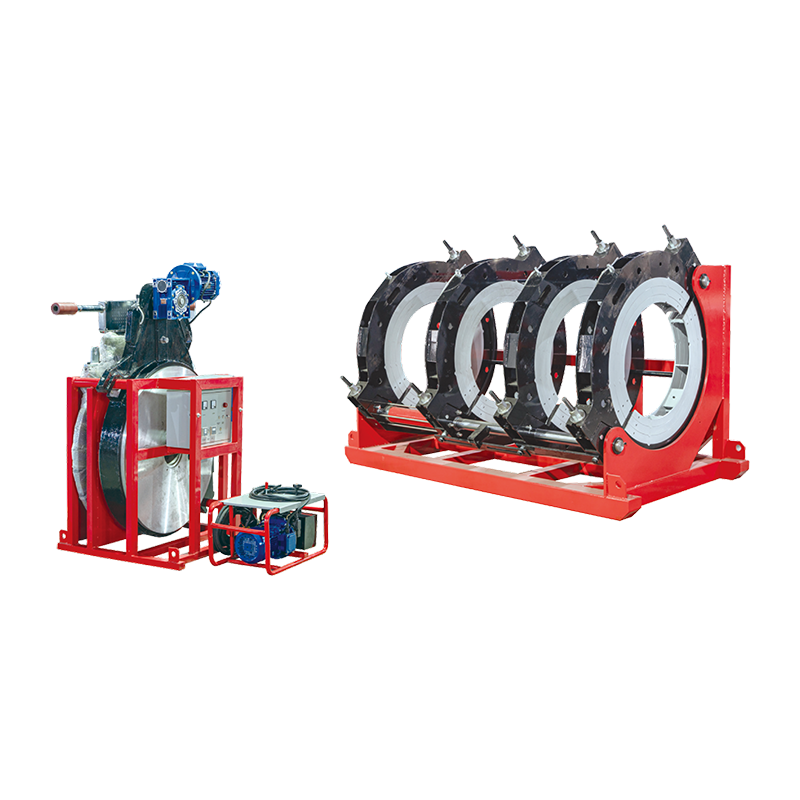
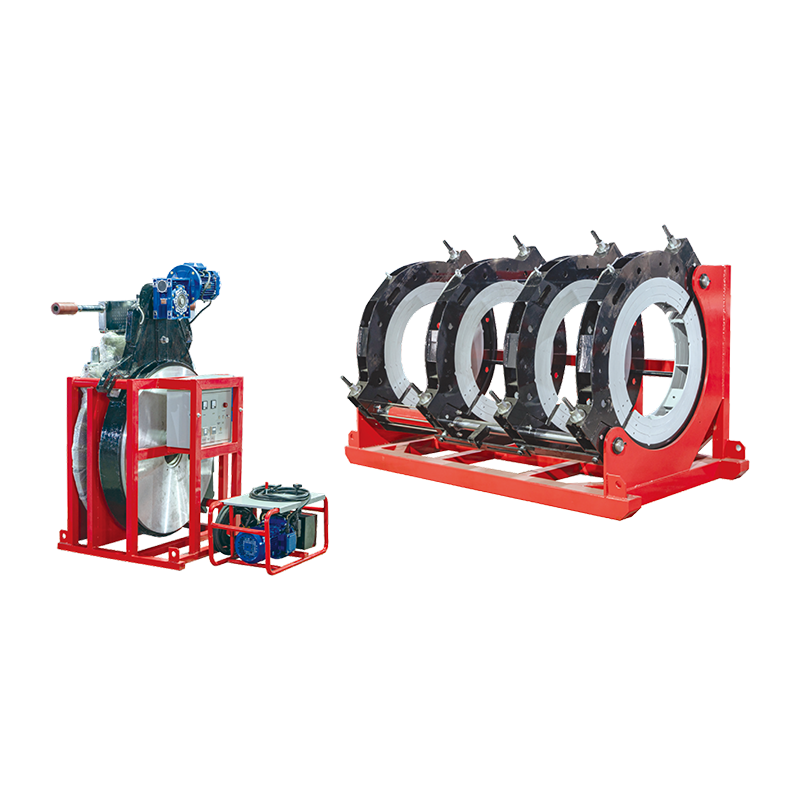
Hydraulic butt fusion welding machines for pipe diameters above approximately 160mm require a separate hydraulic power unit (HPU) that supplies pressurized fluid to the machine's cylinders. The HPU can be electric-powered (for fixed or grid-connected sites) or diesel-powered (for remote locations). Verify that the HPU's flow rate and maximum pressure output are matched to the machine's specifications — an under-powered HPU will not achieve the required interfacial fusion pressure on large diameter pipe. For machines rated above 400mm, hydraulic system compatibility becomes a primary procurement concern.
Heater Plate Specifications
The heater plate must cover the full face area of the largest pipe size the machine will weld. Plates are typically Teflon-coated to prevent PE adhesion — verify that the coating is in good condition before purchase or hire and that replacement plates are available in the supplier's inventory. Some machine designs use electrically self-heating plates with integrated thermostatic control; others require an external heater unit. Self-heating plates with independent temperature control at multiple zones are preferable for large diameter work, as they maintain uniform surface temperature across the full plate face.
Data Logging and Connectivity
For projects where weld data recording is a contract requirement — which increasingly includes any buried infrastructure in the water, gas, or industrial sectors — the machine must have a fully automatic controller with digital data storage. Minimum required data fields typically include: weld sequence ID, operator ID, date/time, pipe OD and SDR, heater temperature, fusion pressure, heat soak time, cooling time, and any fault conditions recorded during the cycle. Data should be exportable in an open format (CSV or PDF) compatible with project management systems. Machines that store data in proprietary formats that require manufacturer-specific software to read create long-term traceability problems and should be avoided on major contracts.
Portability and Site Access
For pipeline construction in open terrain, machine weight and transport configuration matter. Small-bore manual butt fusion welding machines can weigh as little as 15–25 kg and are carried by a single person. Mid-range semi-automatic machines for 160–315mm pipe typically weigh 150–300 kg and require vehicle transport. Large-bore fully automatic machines for 630mm and above can exceed 1,500 kg and require crane assistance for positioning. Assess the access constraints at the project site before specifying equipment — a machine that cannot be positioned at the weld location is useless regardless of its technical specification.
Common Butt Weld Defects and How Butt Fusion Welding Machines Help Prevent Them
The most consequential butt fusion defects are those that create internal planes of weakness while leaving the external bead looking acceptable. Understanding what causes each defect type informs both machine selection and operator training priorities.
Cold Joints (Insufficient Heat)
A cold joint occurs when the melt depth is insufficient — either because heater plate temperature was too low, heat soak time was too short, or the heater plate was contaminated and transferring heat unevenly. Cold joints have low peel strength and may pass hydrostatic pressure testing at ambient temperature but fail under sustained stress, particularly at elevated temperature or when subjected to bending loads. Fully automatic machines prevent this by enforcing minimum heat soak times based on pipe wall thickness inputs and by alarming if heater plate temperature drops below set point during the soak phase.
Contamination-Induced Defects
Contamination of the melt face — from dirt, moisture, oil from skin contact, or Teflon particles from a degraded heater plate coating — creates inclusions within the joint that disrupt molecular bonding at that location. The defect may be localized to a small area of the pipe face but can initiate cracking under cyclic stress. The solution is procedural: re-clean if any contact occurs after trimming, inspect the heater plate coating before every use, and never allow pipe ends to sit exposed after facing. Neither manual nor automatic machines compensate for contamination — this is entirely a procedural and discipline issue.
Misalignment
Angular or lateral misalignment between the two pipe ends produces a joint that is mechanically stressed from the moment it is formed. Even a few millimeters of lateral offset concentrates stress at the off-center side of the joint under internal pressure. Misalignment greater than 10% of wall thickness is a rejection criterion under most standards. Fully automatic machines with alignment check prompts — some include pipe ovality monitoring as part of their software — catch alignment errors before the weld begins. On manual machines, this check is entirely the operator's visual responsibility.
Pressure Release During Cooling
If the pipe is moved, the clamps released, or the machine chassis opened before cooling is complete, the semi-solidified joint is disturbed and a planar defect forms at the fusion interface. This is perhaps the most frequently observed field defect on manual machines, driven by schedule pressure to advance the pipe run. On fully automatic machines, the controller enforces the minimum cooling period and will not allow the cycle to be declared complete — or, on some models, the clamps to be released — until the timer has expired.
Industry Standards and Certification Requirements for Butt Fusion Welding
Butt fusion welding of thermoplastic pressure pipe is governed by a framework of national and international standards that specify both the welding procedure and the qualification requirements for operators and machines.
The primary standards in common use include:
- ASTM F2620 — Standard Practice for Heat Fusion Joining of Polyethylene Pipe and Fittings. This is the foundational procedure document for butt fusion of PE pipe in North American markets, developed under industry cooperation with the Plastics Pipe Institute and qualified in accordance with 49 CFR Part 192 for gas distribution pipe.
- ISO 21307 — Plastics pipes and fittings — Butt fusion jointing procedures for polyethylene (PE) pipes and fittings used in the construction of gas and water distribution systems. The international reference standard, used as a basis for many national standards outside North America.
- DVS 2207-1 — German welding society guidelines for heat fusion welding of PE, widely referenced in European practice and adopted as the procedural basis for many national standards including those in the UK, Netherlands, and Scandinavia.
- 49 CFR Part 192.285 — US Code of Federal Regulations requirement for qualification of welding procedures and operators on gas distribution piping. Any person performing butt fusion joins on natural gas distribution pipe must qualify under this regulation, typically through written examination and destructive testing of trial joints.
Most standards and many client specifications additionally require that operators of butt fusion welding machines hold a current welder qualification certificate from a recognized training body. Good practice guidelines from organizations such as TEPPFA (The European Plastic Pipes and Fittings Association) recommend that welders attend regular refresher training and perform a test weld at the start of each shift — particularly after periods of inactivity — to confirm that the machine and the operator are both producing consistent results before production welding begins.
Applications Where Butt Weld Technology Is the Industry Standard
The range of industries that depend on butt fusion welding machines extends well beyond simple water pipe installation. Anywhere thermoplastic piping must carry fluids under pressure, along extended routes, with zero tolerance for leakage, butt fusion welding is the method of choice.
Water Distribution and Wastewater Infrastructure
Municipal water supply networks are the single largest application for butt fusion welding machines globally. HDPE pipe in PE100 grade, butt welded into continuous runs, has become the standard specification for new and replacement water mains in most developed markets. The leak-free nature of butt weld joints directly addresses the water loss problem that plagues aging cast iron and ductile iron networks — where joint leakage can account for 20–40% of distributed volume in poorly maintained systems. Wastewater collection and effluent disposal pipelines similarly rely on butt fusion joins to prevent ground contamination from joint failure.
Natural Gas Distribution
The replacement of aging steel and cast iron gas mains with HDPE has been a major infrastructure program across Europe and North America for three decades. Every join in a buried gas distribution pipe must be butt fusion welded and, in most jurisdictions, logged with digital weld data that is retained for the life of the installation. The consequences of a joint failure in a pressurized gas main — fire, explosion, fatality — mean that specification compliance, operator qualification, and machine data logging requirements are strictly enforced by gas network operators and regulators alike.
Industrial and Chemical Process Piping
Chemical processing plants, mining operations, and industrial manufacturing facilities use butt fusion welding to join HDPE, PP, and PVDF pipes that carry acids, alkalis, solvents, slurries, and other aggressive media. The chemical resistance of the parent material is fully maintained through the butt weld zone — there is no gasket material, thread sealant, or mechanical coupling component at the joint that could be chemically attacked. This makes butt welded thermoplastic systems particularly competitive against stainless steel in highly corrosive environments where the cost of metallic pipe and fittings is high.
Geothermal and HVAC Systems
Ground source heat pump installations use butt welded HDPE loops buried in the ground or drilled into boreholes. These loops circulate heat transfer fluid at pressures typically between 3 and 6 bar, through pipe that may be installed for 25–50 years without any access for maintenance or repair. The permanence of butt weld joints — which do not rely on O-rings, gaskets, or mechanical components that can degrade — makes them the only practical joining method for this application.
Marine and Offshore Applications
HDPE pipe joined by butt fusion welding is used in marine outfall systems, desalination plant intake and outfall pipelines, fish farm cage mooring systems, and port infrastructure. The combination of HDPE's resistance to corrosion, UV stabilization, and the seamless integrity of butt weld joints makes it well-suited to the chemically aggressive and mechanically demanding marine environment.
Maintenance and Inspection of Butt Fusion Welding Machines
A butt fusion welding machine that is in poor condition will not produce consistently good welds regardless of operator skill. Machine maintenance is not an afterthought — it is a prerequisite for weld quality and should be treated as such in any quality management system.
Key maintenance checks before every use include:
- Inspect the heater plate Teflon coating for damage, scratches, or PE residue. A contaminated or damaged plate must be cleaned or replaced before welding begins.
- Verify heater plate surface temperature using a calibrated surface pyrometer at multiple points across the plate face. The plate's internal thermostat is not sufficient — surface verification is essential.
- Check hydraulic fluid levels and inspect hoses and fittings for leaks. A hydraulic leak during a fusion cycle causes pressure loss and a defective weld.
- Inspect trimmer blades for sharpness and condition. Worn blades produce a poor surface finish and may introduce contamination from the blade material into the trimmed face.
- Check clamp condition and jaw alignment. Worn clamps allow pipe slippage during fusion pressure application, which is a common cause of angular joint defects.
- On automatic machines, verify that the data logging system is functioning and that the clock is set to the correct date and time for weld record accuracy.
Beyond daily checks, butt fusion welding machines should undergo periodic calibration and inspection by a qualified service technician. For machines used on regulated infrastructure projects, many client specifications require evidence of annual calibration by an accredited workshop as a condition of machine acceptance on site.