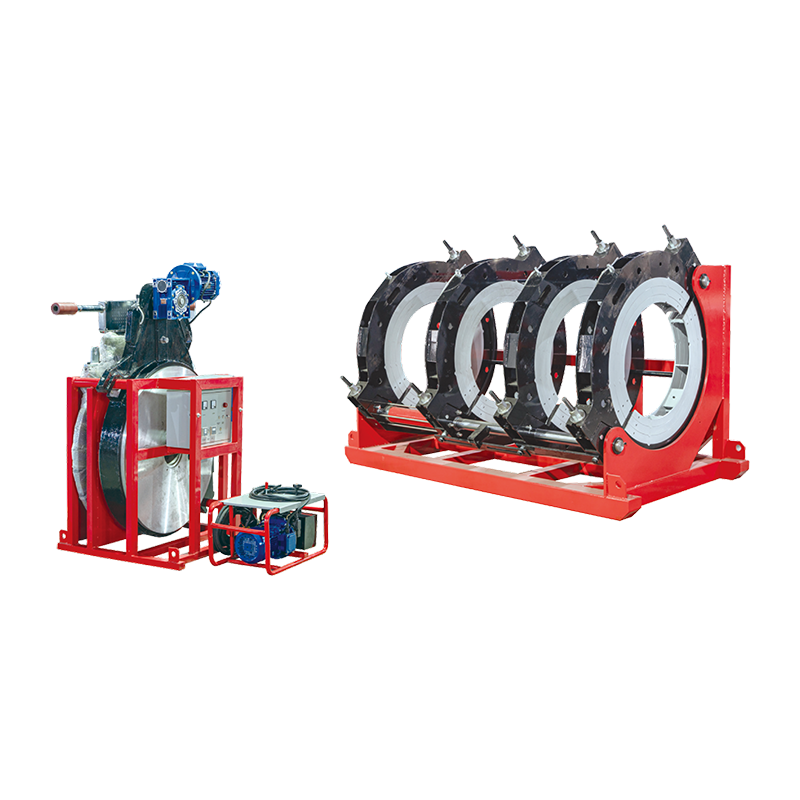
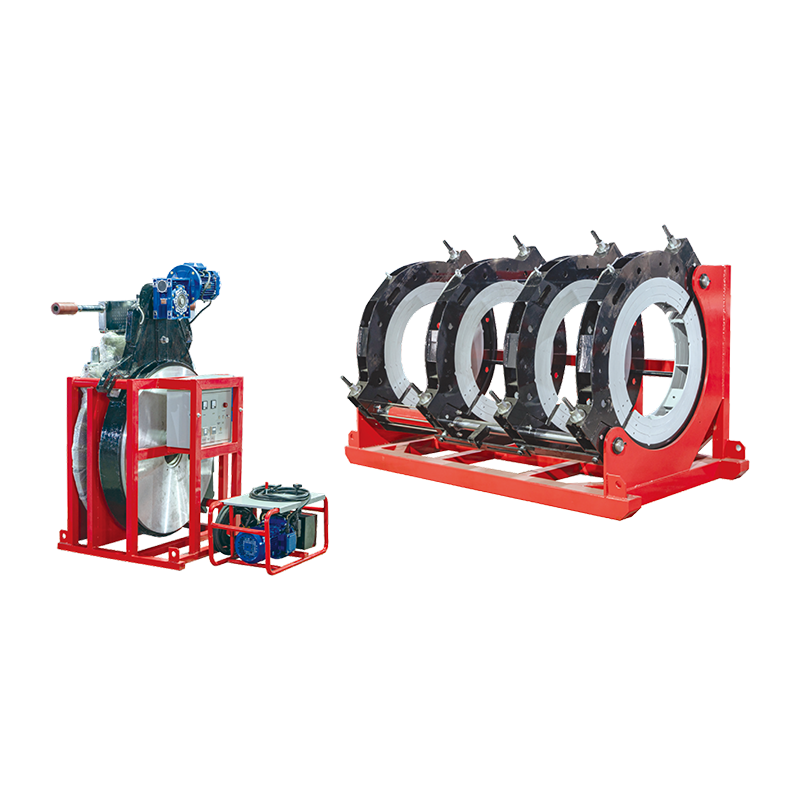
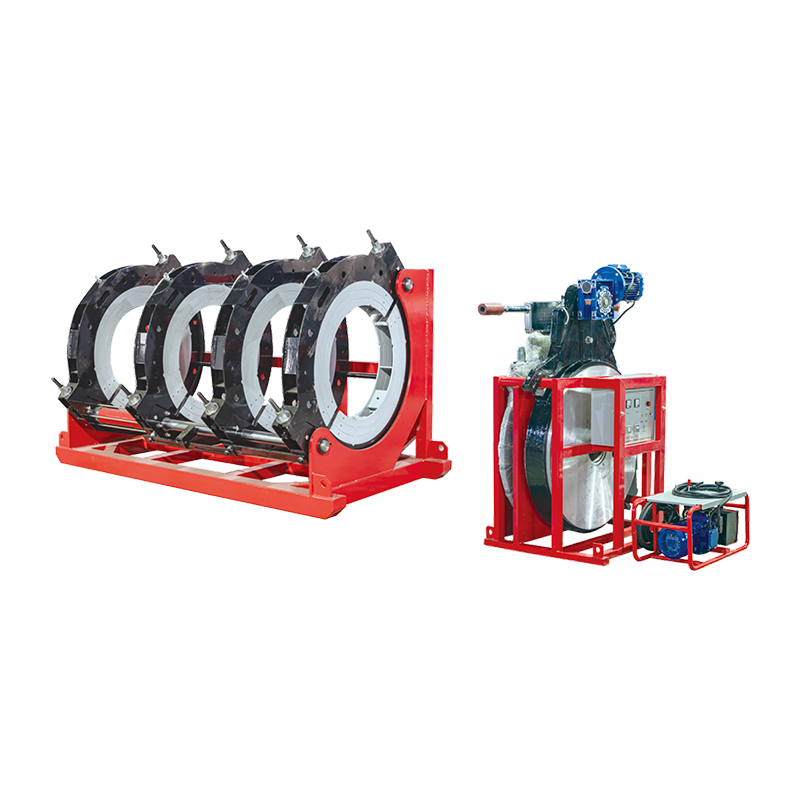
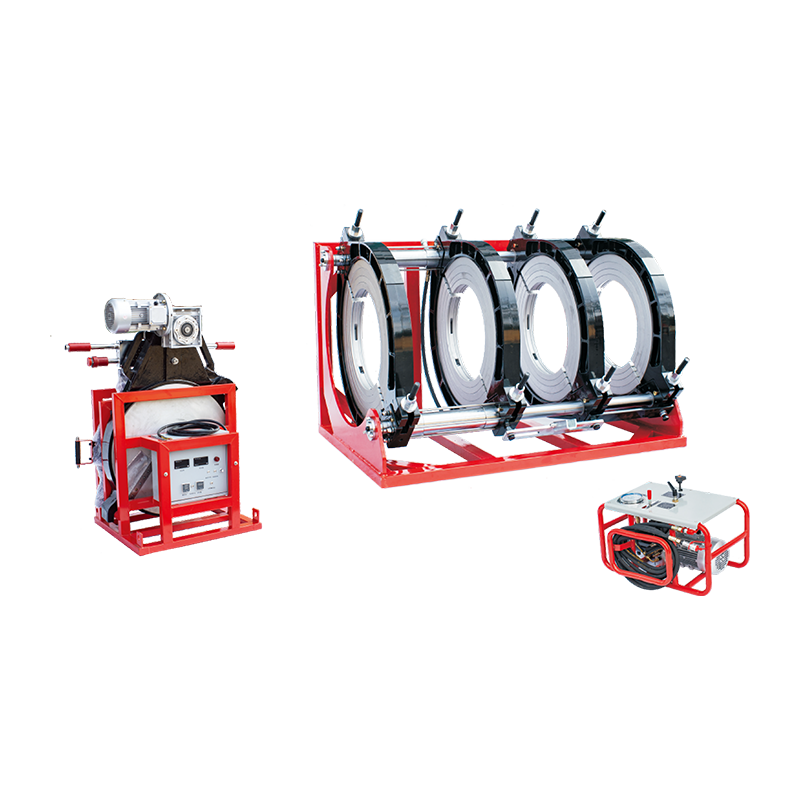
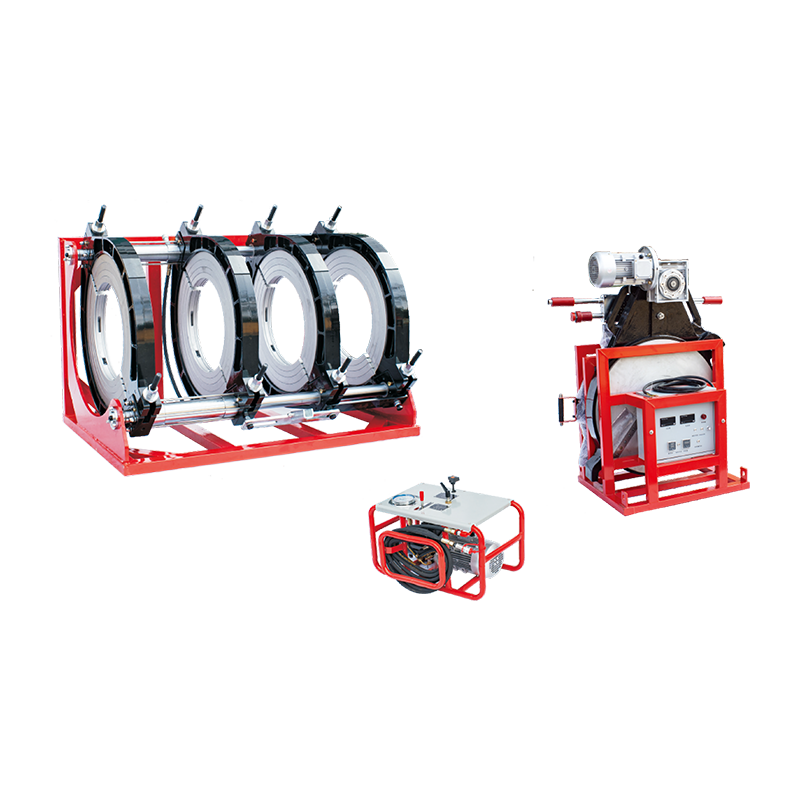
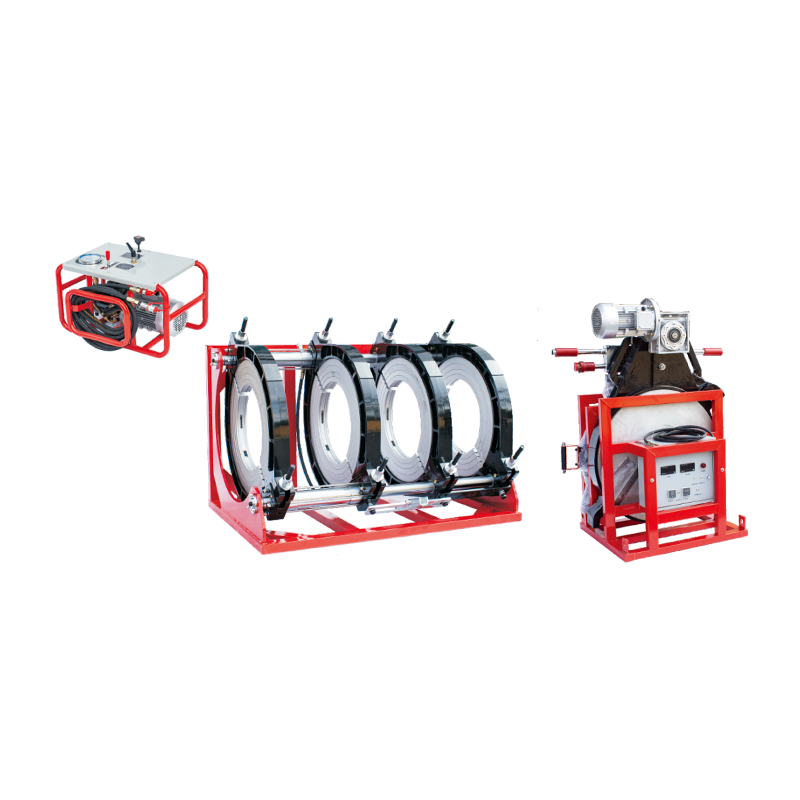
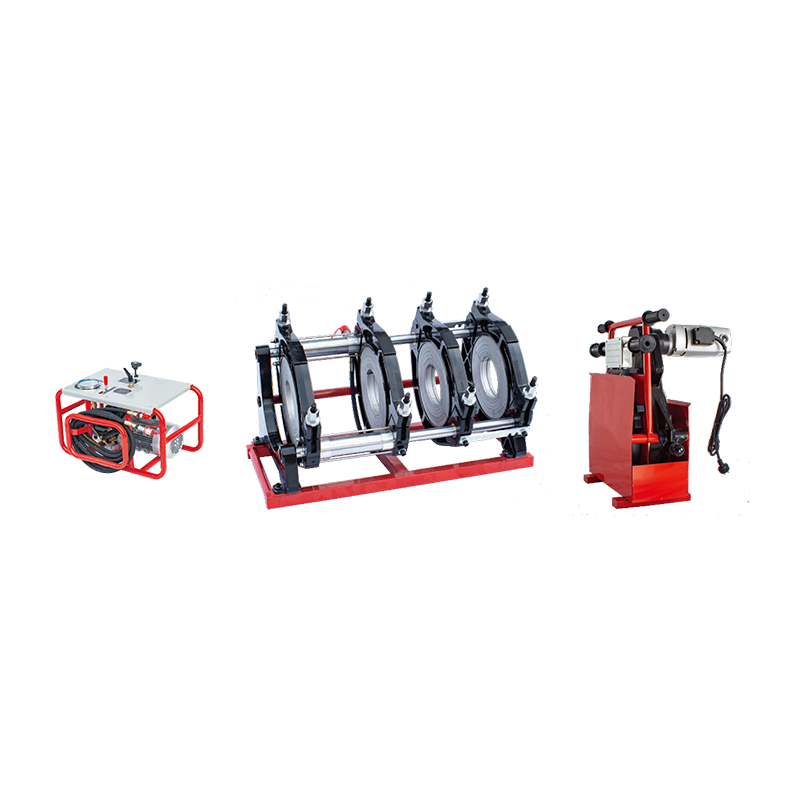
Hydraulic butt-fusion welding machines are core equipment for joining thermoplastic pipes. Leveraging precise control from hydraulic drives and hot-melt fusion technology, they have become indispensable key equipment in infrastructure construction and industrial applications. Founded in 2011, Zhejiang Chenghong Machinery Co., Ltd. is a private enterprise integrating design, manufacturing, and sales. With nearly 10 years of experience in butt welding machine sales and professional manufacturing capabilities in plastic welding equipment, the company has accumulated a broad customer base in this field. Its product range covers hydraulic butt-fusion welding machines, manual butt welding machines, automatic butt welding machines, and other categories, providing both standardized and customized solutions for the industry.
Core Definition and Working Principle
A hydraulic butt-fusion welding machine is specialized equipment that achieves hot-melt joining of plastic pipes and fittings through stable pressure provided by a hydraulic system combined with heating from an electric heating plate. Its core workflow consists of four steps:
Heating stage: The electric heating plate heats the connecting end faces of pipes and fittings to a molten state, with temperatures adjustable between 200℃-280℃ depending on materials such as PE and PP.
Butt-joint stage: After heating is completed, the electric heating plate is quickly removed, and the two molten end faces are precisely bonded.
Pressurization stage: A controllable pressure of 0-160bar is applied via the hydraulic device to ensure full fusion of the connecting surfaces.
Cooling stage: The pressure is maintained until the joint cools naturally, forming a seamless and homogeneous welded joint.
Core Structure and Technical Parameters
Main Structural Components
The core of the equipment consists of four major components to ensure stability and precision during the welding process:
Hydraulic operation platform: Provides stable power output and controls pressure adjustment and butt-joint movements.
Specialized fixtures: Fix the position of pipes to ensure parallelism and coaxiality of the butt-joint end faces.
Heating plate: Adopts anti-adhesive materials such as Teflon coating, with a surface temperature difference controlled within ±5℃.
Milling cutter: Mills the end faces of pipes to remove impurities and uneven parts, ensuring fusion quality.
Key Technical Parameters
Welding range: Covers various specifications from 63mm to 1200mm to meet different engineering needs.
Temperature control: Temperature control range of 0-300℃ with a temperature error of ≤±5℃ to ensure consistency in material melting.
Power configuration: Total power ranges from 3.5KW to 21.5KW, compatible with different voltage (220V/380V) scenarios.
Environmental adaptability: Operating temperature range of -10℃-45℃, suitable for outdoor, workshop, and other multi-scene operations.
Industry Application Fields
With reliable connection performance, the equipment is widely used in several core fields:
Water conservancy infrastructure: Used in water supply and drainage pipe network construction to ensure leak-free pipe connections.
Gas transmission systems: Adapted to the welding needs of gas pipelines, ensuring the safety and tightness of pipe network operation.
Industrial and chemical fields: Meets the corrosion-resistant connection needs of industrial fluid transmission and chemical medium pipelines.
Mining and municipal engineering: Suitable for pipe installation under complex working conditions such as mine resource transportation and municipal pipe network reconstruction.
Industry Development Characteristics and Enterprise Advantages
Core Industry Trends
Standardization and regularization: Complies with international standards such as ISO 21307 and DVS 2207/1 to ensure uniformity in welding quality.
Technological upgrading: Application of precise temperature control systems and high-efficiency hydraulic components improves equipment stability and service life.
Growing demand for customization: Provides personalized parameter adjustments and equipment customization services for different engineering scenarios.
Enterprise Service Features
Taking Zhejiang Chenghong Machinery as an example, leading enterprises in the industry generally have three major advantages:
Supply chain and logistics: Relying on a convenient geographical location (20 kilometers away from Hangzhou Xiaoshan International Airport), it realizes spot supply of standard products and fast delivery.
Customization capabilities: With advanced technology and rigorous production processes, it shortens the delivery cycle of customized products.
Quality philosophy: Adheres to the core principle of high-quality products, accumulates customer trust through stable performance and thoughtful service, and continuously meets the needs of new and existing customers.
Industry Value and Future Outlook
The application of hydraulic butt-fusion welding machines has fundamentally improved the strength and tightness of plastic pipe connections, providing guarantee for the long-term stable operation of infrastructure. In the future, the industry will move towards more precise intelligent control, wider material adaptability, and more convenient operation and maintenance. Enterprises like Zhejiang Chenghong Machinery will also further align with market demands through continuous technological improvement and service optimization, driving the industry towards a more efficient, reliable, and environmentally friendly direction.
 English
 中文简体
中文简体 русский
 عربى
عربى