 English
 中文简体
中文简体 русский
 عربى
عربى

Content
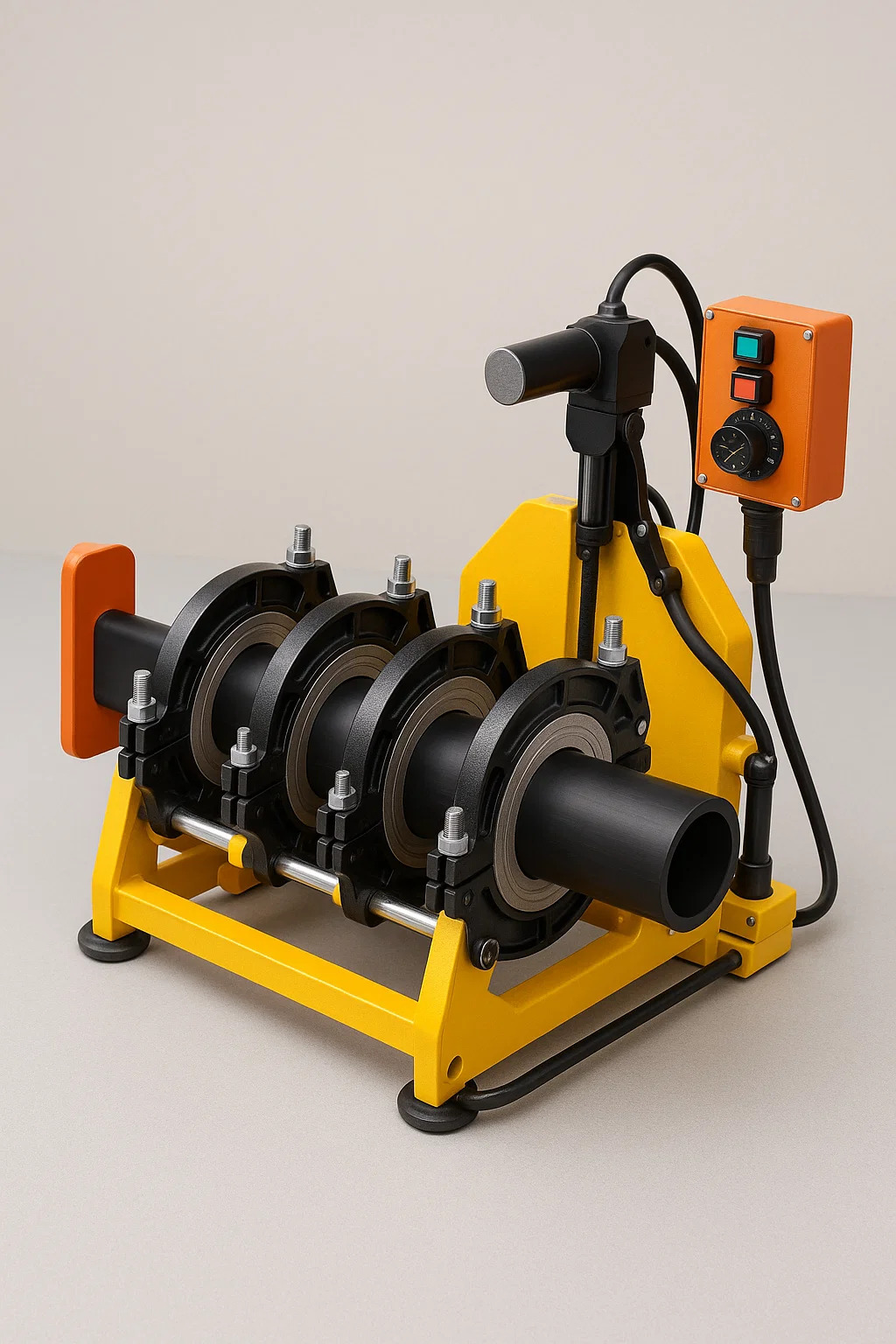
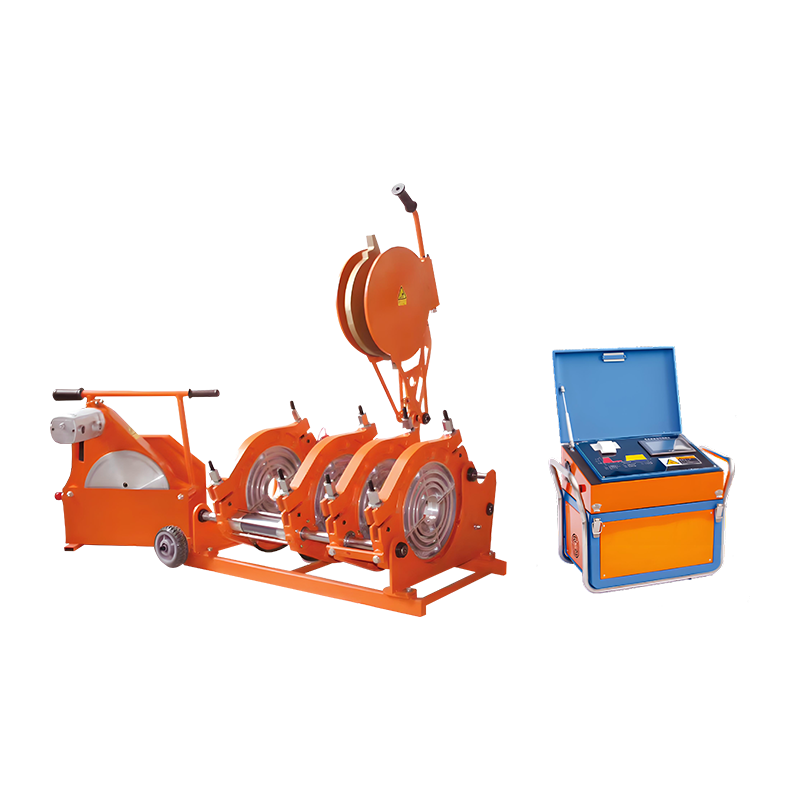
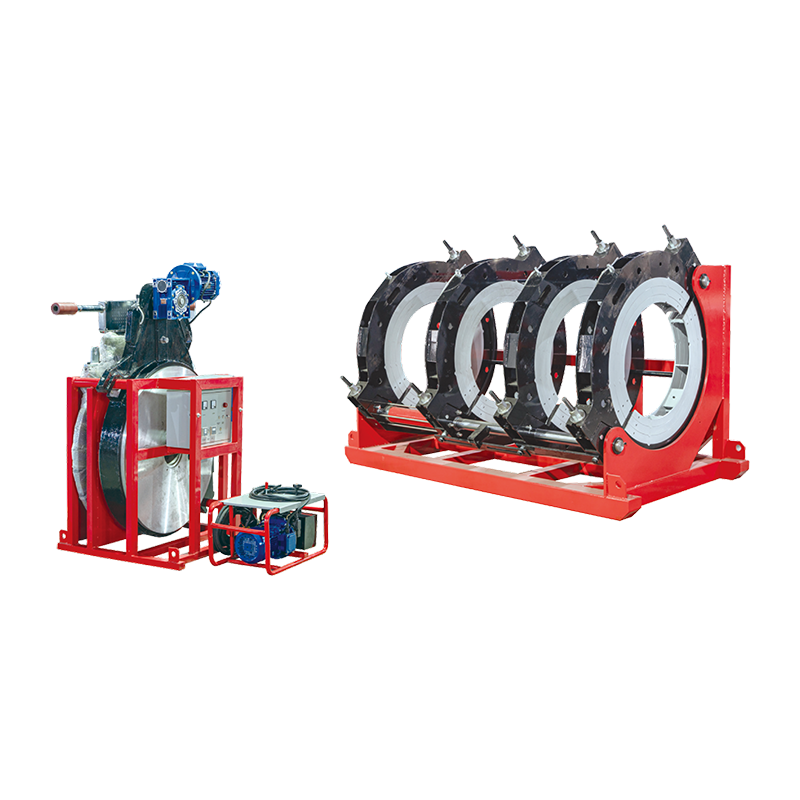
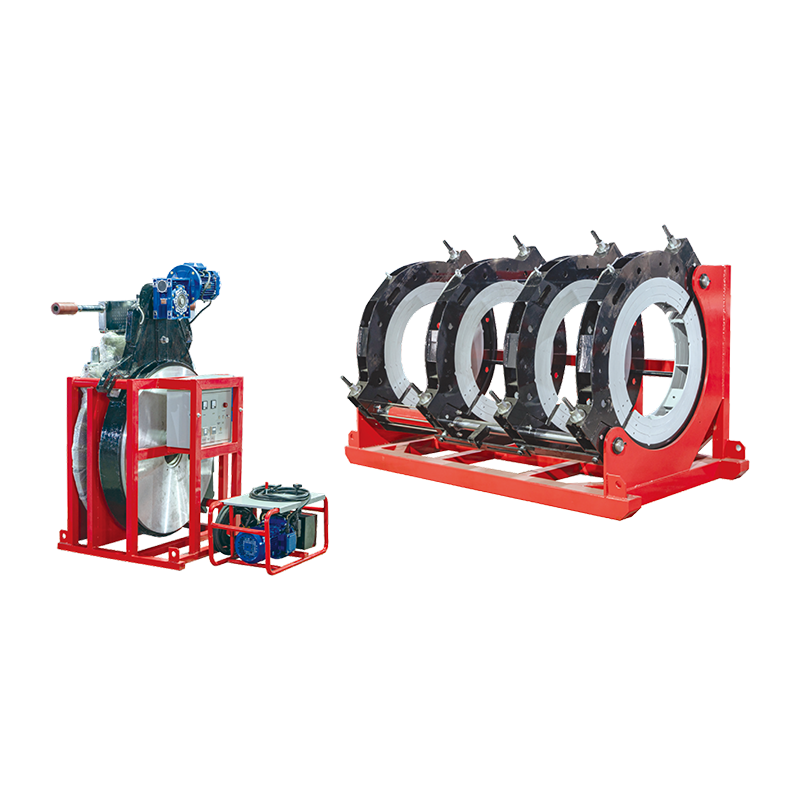
Butt fusion welding machines are specialized tools used to permanently join sections of thermoplastic pipe together end-to-end. Think of it like melting the ends of plastic pipes and squashing them together to form one solid, leak-proof pipe. Here's a breakdown:
■What They Do (The Core Job):
▸These machines are designed specifically for melting and fusing the ends (the "butt" ends) of pipes made from plastics like HDPE (High-Density Polyethylene) or sometimes PE-RT or PP.
▸Their main task is to create a joint that's just as strong and reliable as the original pipe itself. This joint becomes a seamless part of the pipeline.
■How They Work (The Fusion Process Steps):
▸Clamping: The machine firmly holds the two pipe ends to be joined perfectly straight and aligned.
▸Facing: A cutting tool trims the pipe ends completely flat and clean. This ensures full contact.
▸Heating: A flat, electrically heated plate (like a hot iron) is placed between the pipe ends. The ends are pressed against this hot plate until the plastic melts and forms a molten bead.
▸Joining: The hot plate is quickly removed. The two molten pipe ends are immediately pressed together with strong, controlled force ("butt fusion pressure").
▸Cooling: The machine keeps the pipes pressed firmly together without moving them while the molten plastic cools down and solidifies. This cooling time is crucial for strength.
■Where They're Used (Common Applications):
▸Primarily for installing underground pipelines because the joint is so strong and leak-proof.
▸Moving water (drinking water, irrigation, wastewater).
▸Transporting natural gas and other fuels safely.
▸Industrial applications moving chemicals or slurries where corrosion resistance is needed.
▸Any situation requiring long, continuous, and very reliable plastic pipe runs.
■Why They're Chosen (Key Advantages):
▸Super Strong Joint: Creates a fused joint that's as tough as the pipe material, not a weak spot.
▸Leak-Proof: The fused joint is completely homogeneous, eliminating leaks.
▸Durable & Long-Lasting: Resists corrosion and chemical attack extremely well.
▸Smooth Inside: The joint doesn't create ridges or obstructions inside the pipe, so flow isn't restricted.
▸Cost-Effective: While the machine itself is an investment, the process is efficient for long pipe runs and requires no extra materials (like glue or fittings for the main joint).
■What They Look Like & Operator Role:
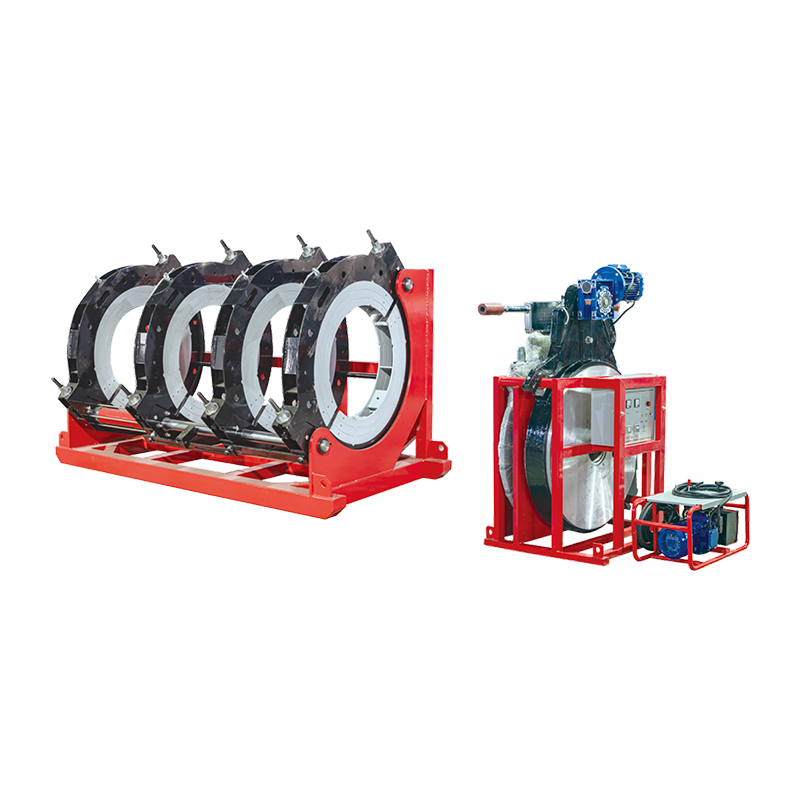
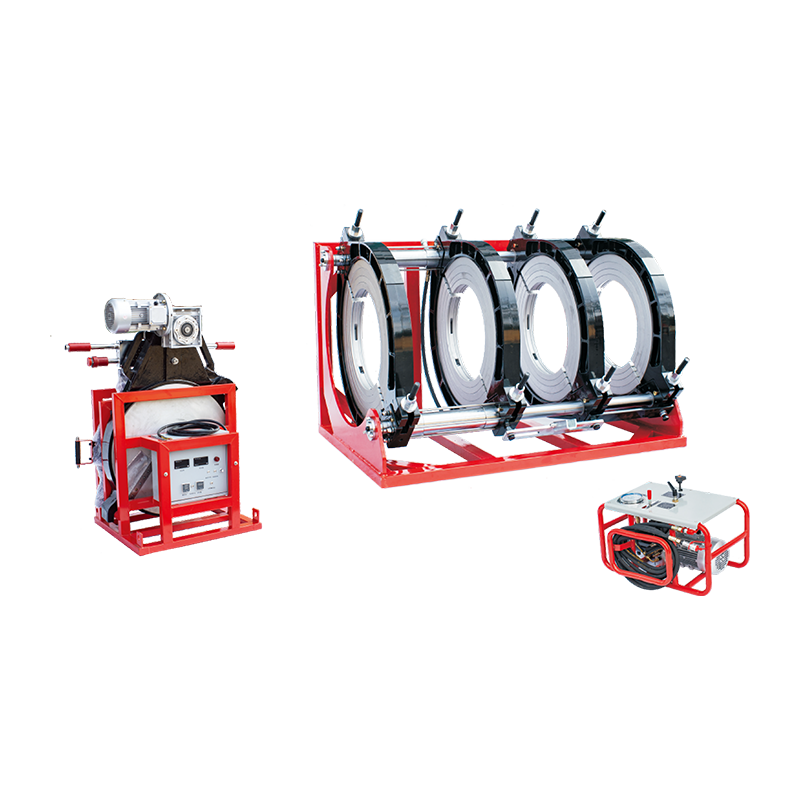
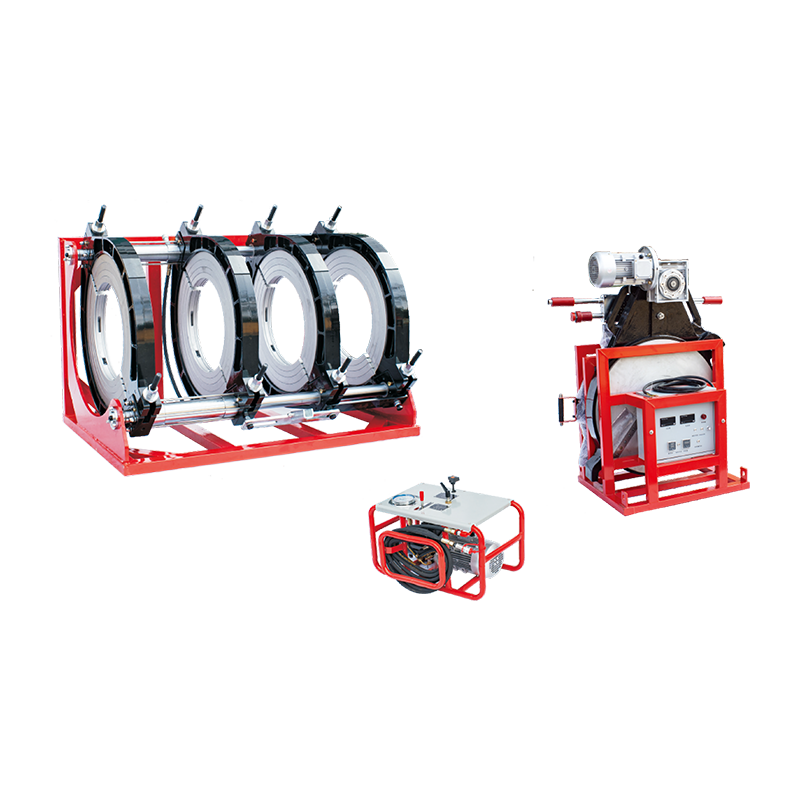
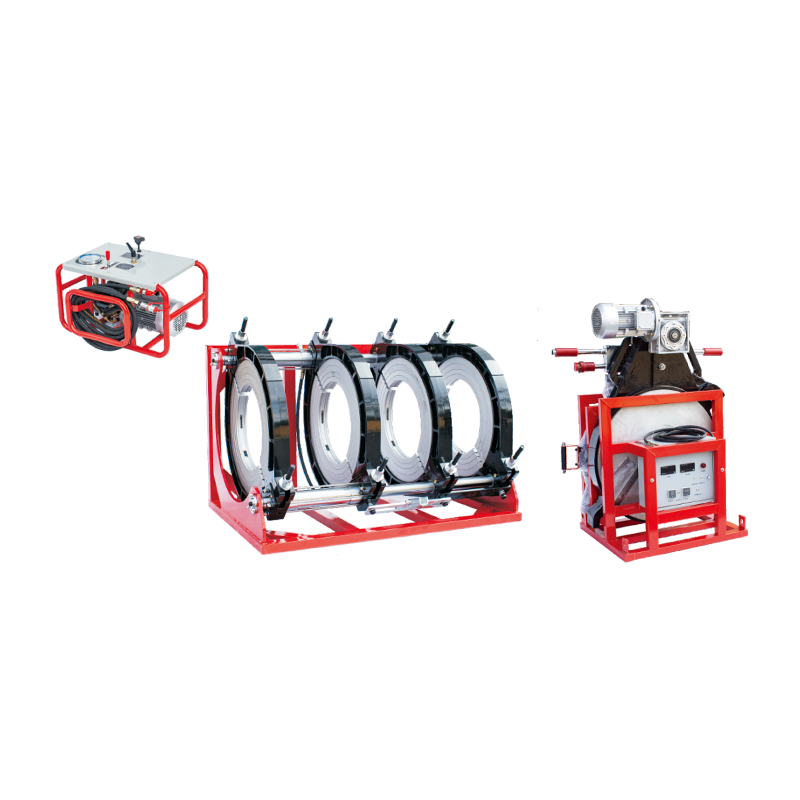
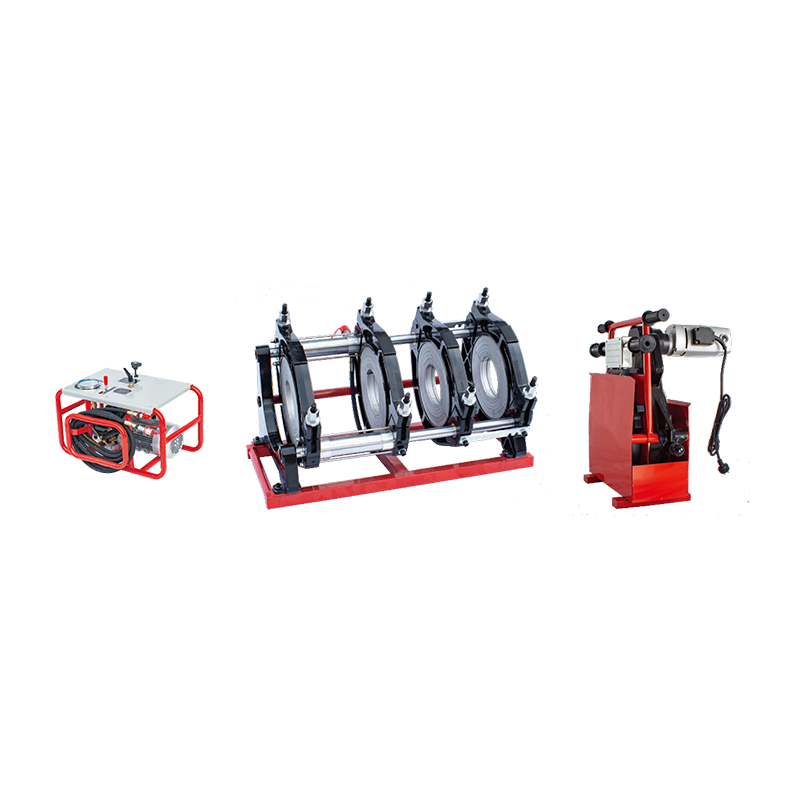
▸They are usually hydraulic machines (using oil pressure) to provide the strong, steady force needed.
▸Come in various sizes to handle different pipe diameters, from small to very large.
▸Include clamps to hold the pipe, a heating plate, and controls for temperature and pressure.
▸Proper training is essential. The operator must follow the correct procedure (right temperature, pressure, heating time, cooling time) for each specific pipe material and size to guarantee a good fusion joint. ▸Cleanliness is also vital.