 English
 中文简体
中文简体 русский
 عربى
عربى

Content
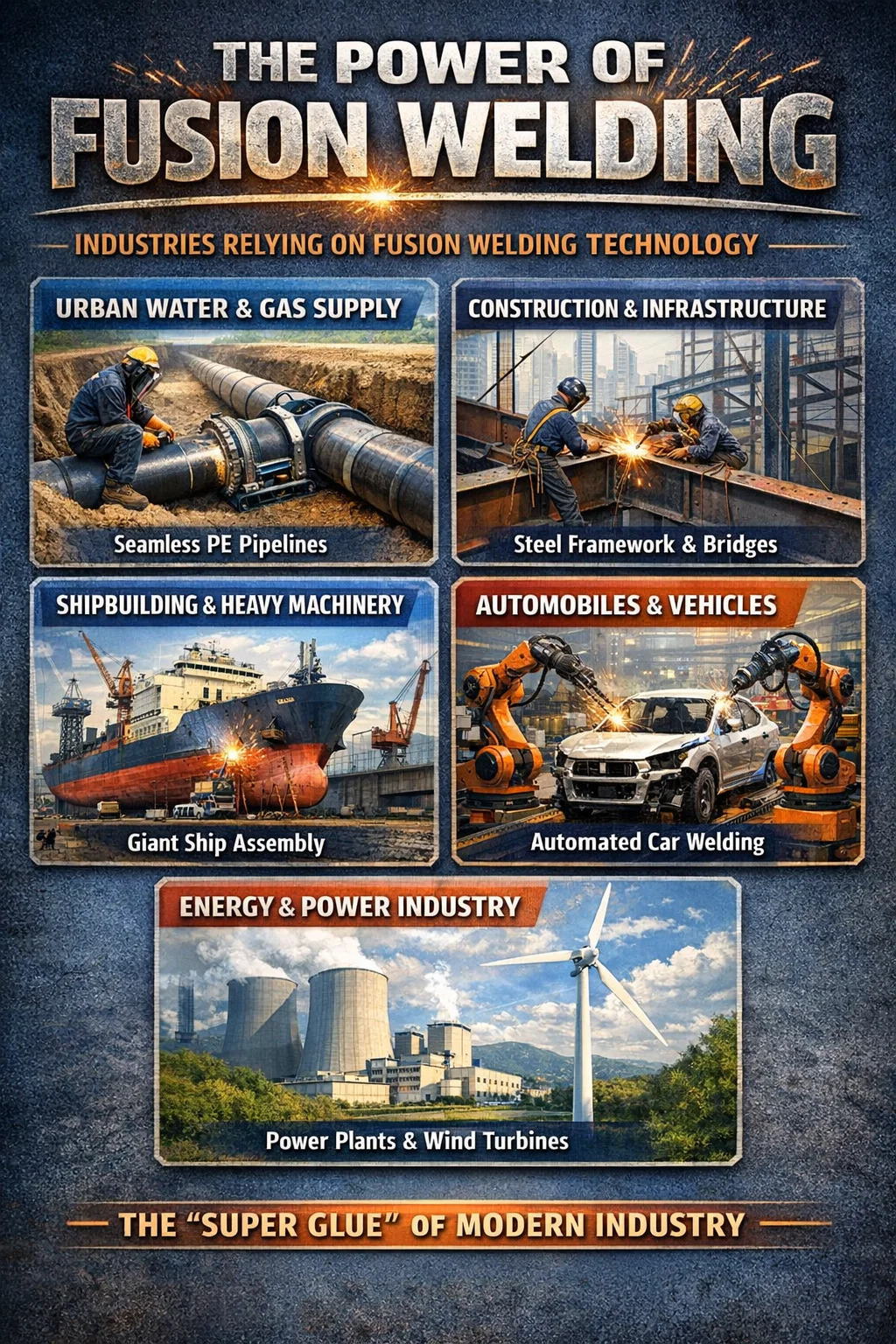
Fusion welding is indispensable wherever two heavy metal or large plastic pipes need to be joined together. This technology is like a "super glue" for industry, but with far greater strength.
Here are some of the industries that rely most heavily on this technology:
● Urban Water and Gas Supply Industry
This is the area we encounter most frequently in our daily lives.
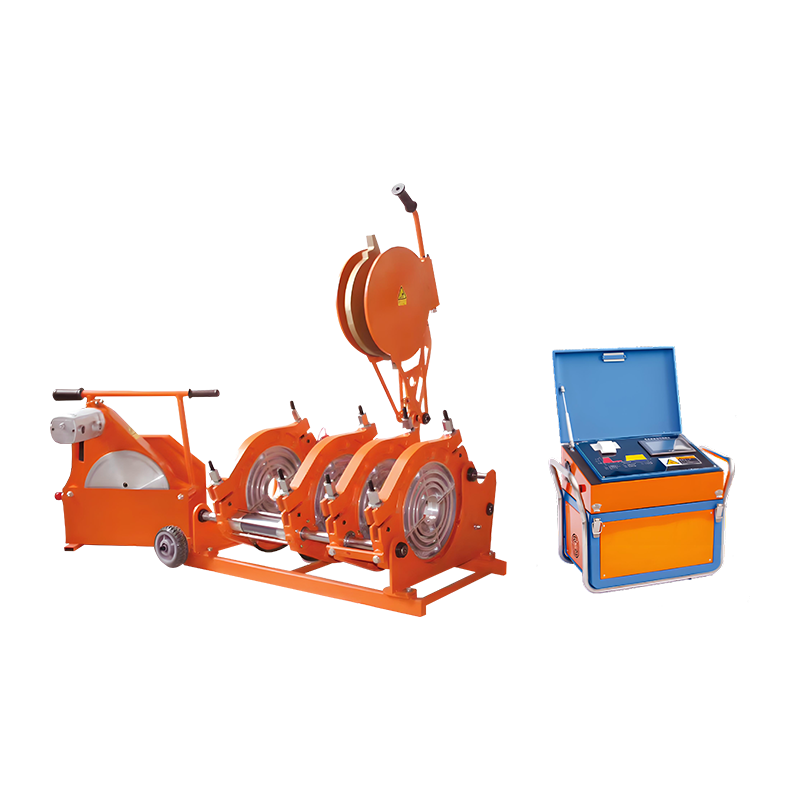
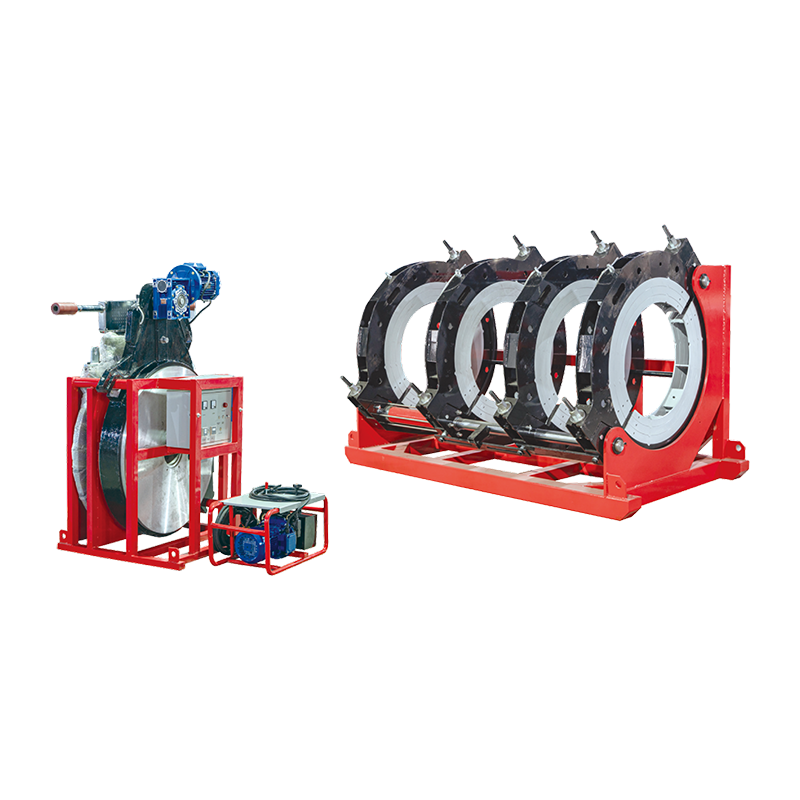
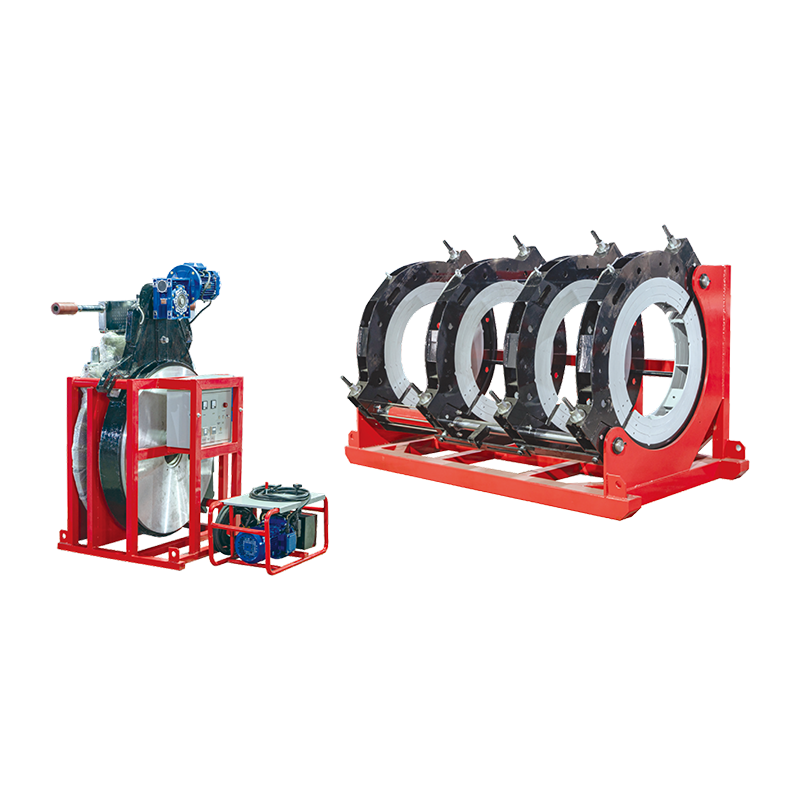
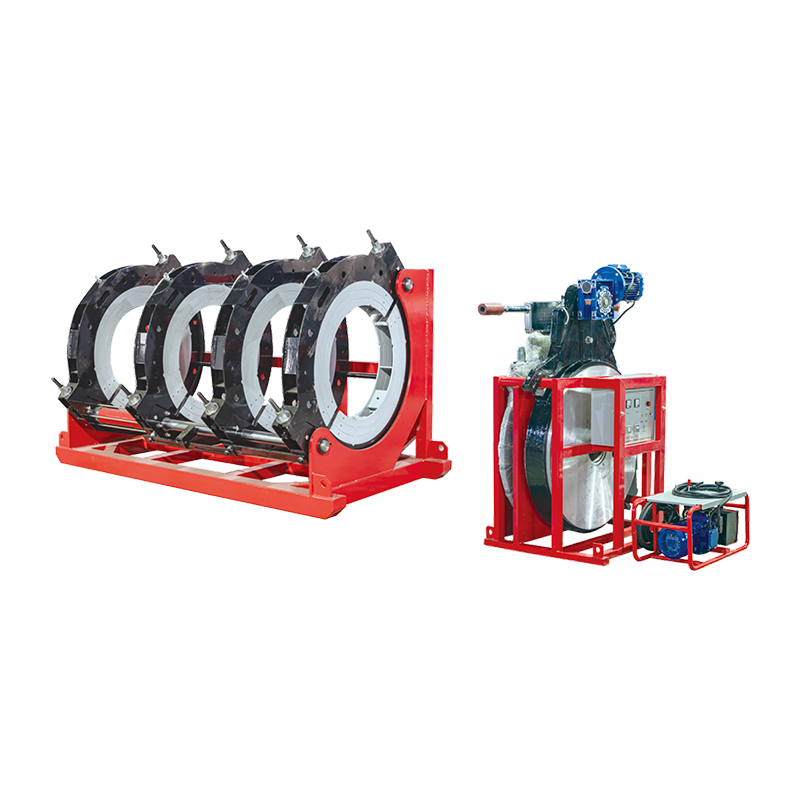
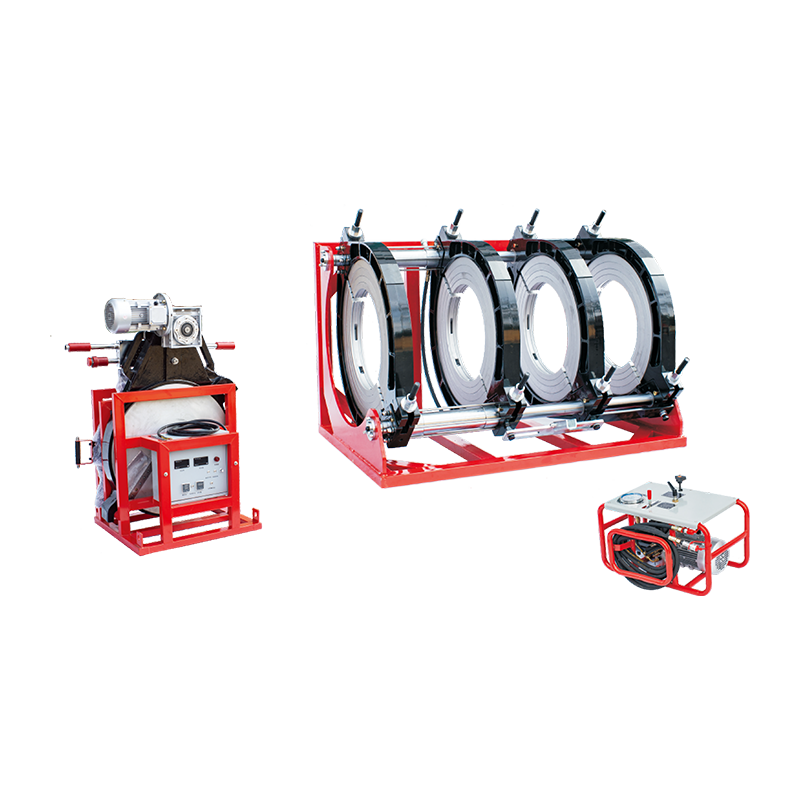
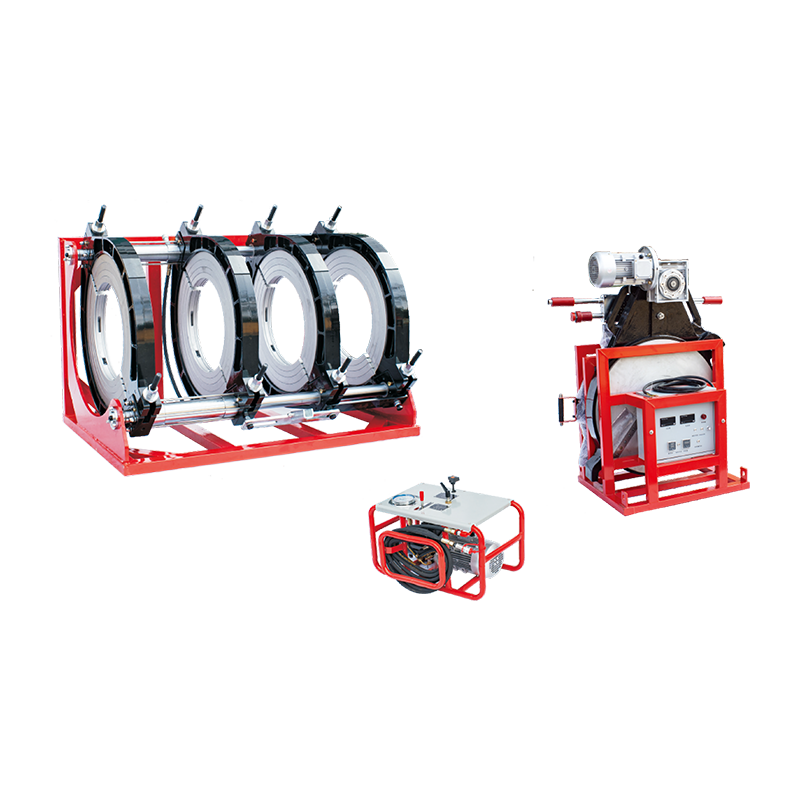
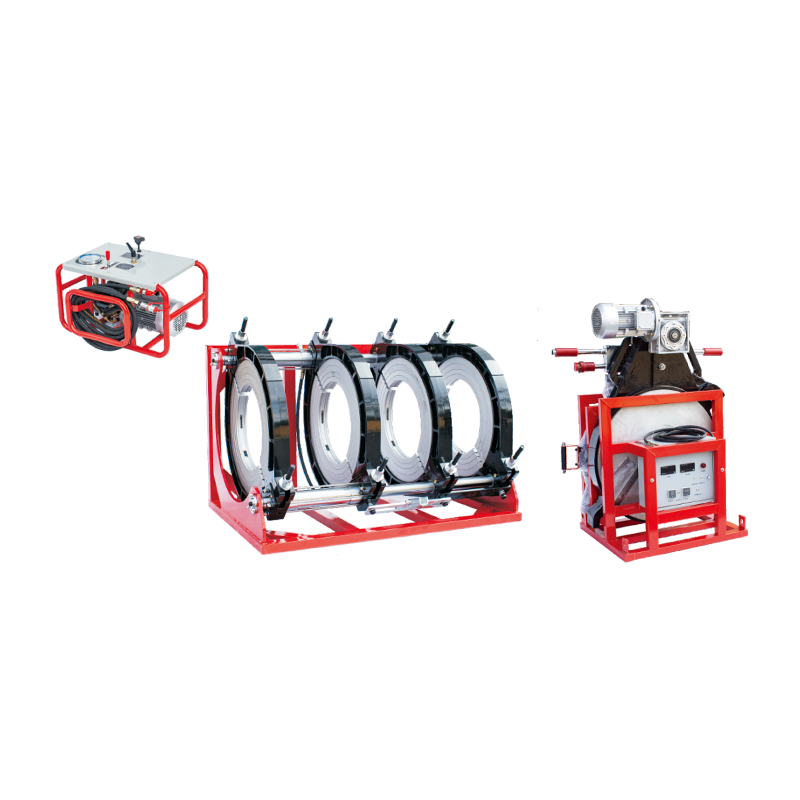
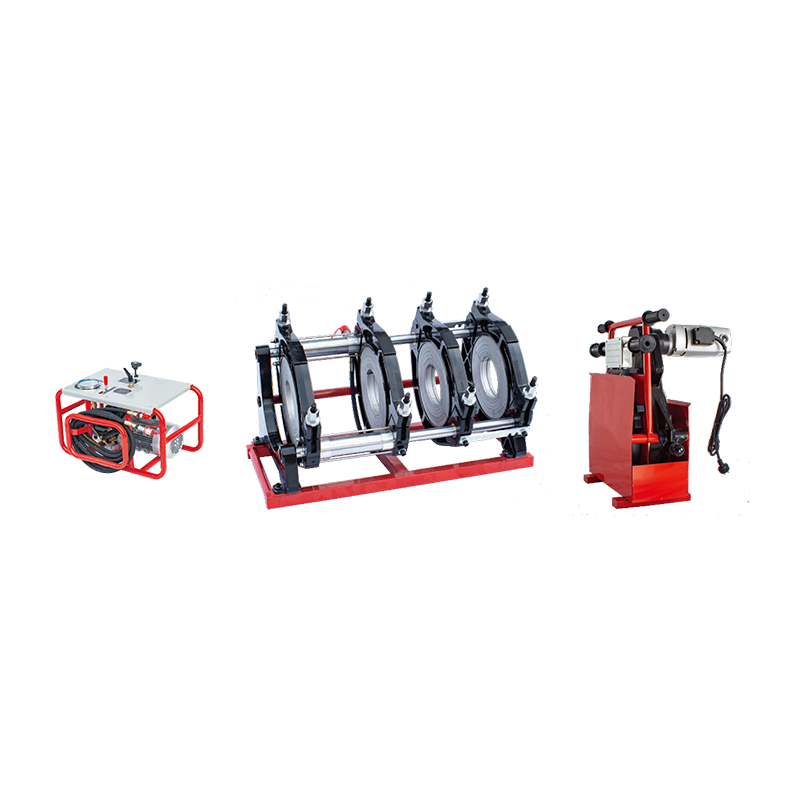
Underground Pipelines: Most underground water and gas pipes in cities are made of PE plastic. Workers use Butt Fusion Welding Machines to melt sections of pipe, tens of meters long, end to end, then weld them together to form a "seamless" pipeline several kilometers long.
Leak Prevention: Because the materials are directly melted and joined together, the joint is extremely tight, ensuring that water and gas will not leak even under pressure.
● Construction and Large Infrastructure
Look up at tower cranes, look down at bridges—you'll see them everywhere.
Steel Framework: The connection of reinforcing bars and the erection of steel structural frames in the construction of skyscrapers all require various forms of fusion welding. This ensures the building's framework remains stable in the face of strong winds or earthquakes.
Bridges and Tunnels: The steel box girders of cross-sea bridges are all painstakingly melted and stacked at each connection point using welding torches. This is crucial for ensuring the bridge can withstand tens of thousands of tons of weight.
● Shipbuilding and Heavy Machinery Manufacturing
In this industry teeming with massive machines, welding is the soul.
Giant Ship Launch: A ship is actually assembled from thousands of thick steel plates. To prevent water from entering the hull, shipbuilders must use high-powered welding equipment to melt and fuse the edges of the steel plates into a single, unified whole.
Excavators and Cranes: Those heavy-duty robotic arms rely entirely on robust welds to support them in the areas subjected to the most intense stress.
● Automobiles and Vehicles
Automobile Body: Many modern car chassis and frames are welded using automated robotic arms. It allows cars to be lighter while also offering greater collision safety.
High-speed rail tracks: The smooth ride on a high-speed train, without the "clattering" sound of the past, is due to the extensive welding process used to completely eliminate gaps in the rails.
● Energy and Power Industry
Power plant pipelines: The high-temperature, high-pressure steam pipelines in thermal or nuclear power plants have extremely high requirements, necessitating the most precise fusion welding technology to ensure absolute safety.
Wind power generation: Those towering wind turbine towers are actually just concentric rings of massive steel cylinders welded together using fusion welding.