 English
 中文简体
中文简体 русский
 عربى
عربى

Content
A "Fusion Welder" is a device specifically designed to join plastic pipes or sheets by melting and fusing their contact surfaces through heating and pressure.
1. Core Task: Melting and Bonding
Its fundamental function is to precisely heat the contact surfaces of the two pieces of plastic to be joined (usually the ends of pipes or the edges of sheets) to the point of melting, and then press them together firmly. After cooling, the two parts become one solid, strong unit.
2. Main Working Method: Heating + Pressurization
Heating: The machine has specialized heating components (such as heating plates or hot air guns). These are responsible for evenly softening and melting the plastic contact surfaces.
Pressurization: The machine has clamping or pressing devices. While or after the plastic melts, it firmly presses the two parts together, allowing the melted plastic to mix thoroughly.
Cooling and Shaping: The machine maintains pressure, allowing the joint to cool and harden naturally without movement, forming a strong connection.
3. Common Types (by application):
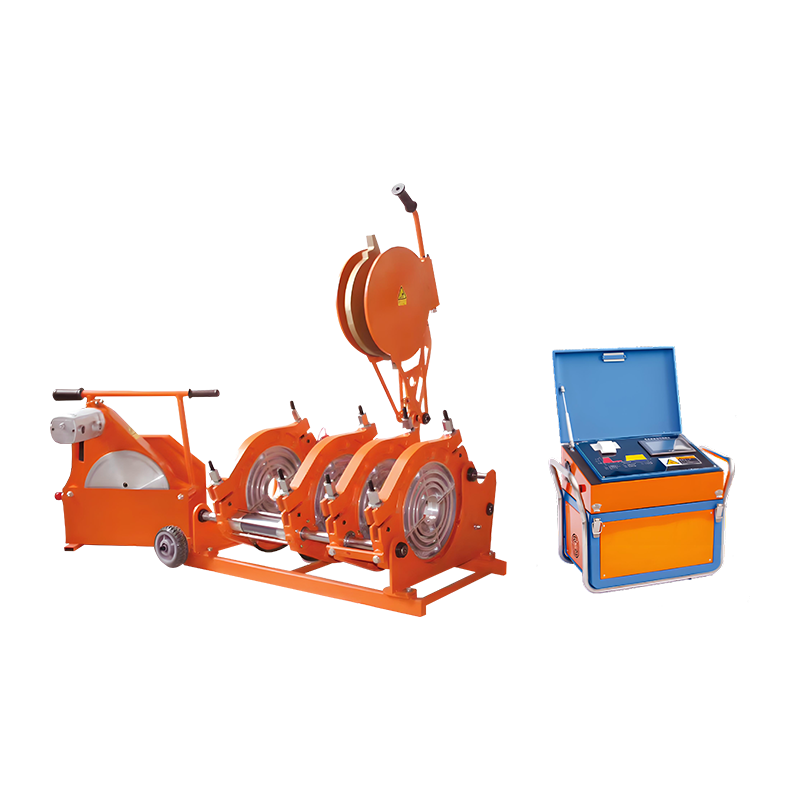
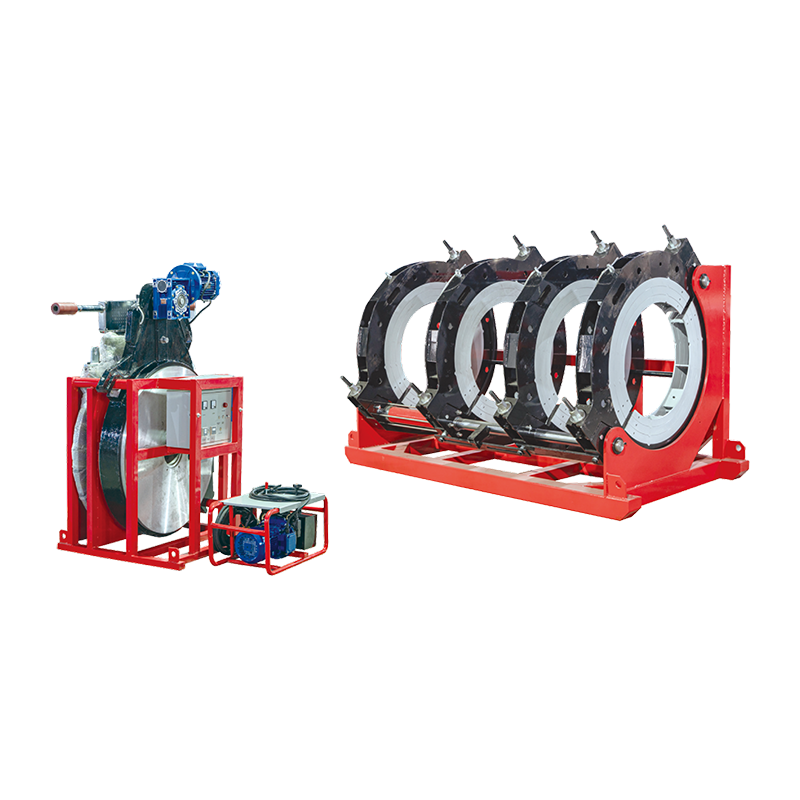
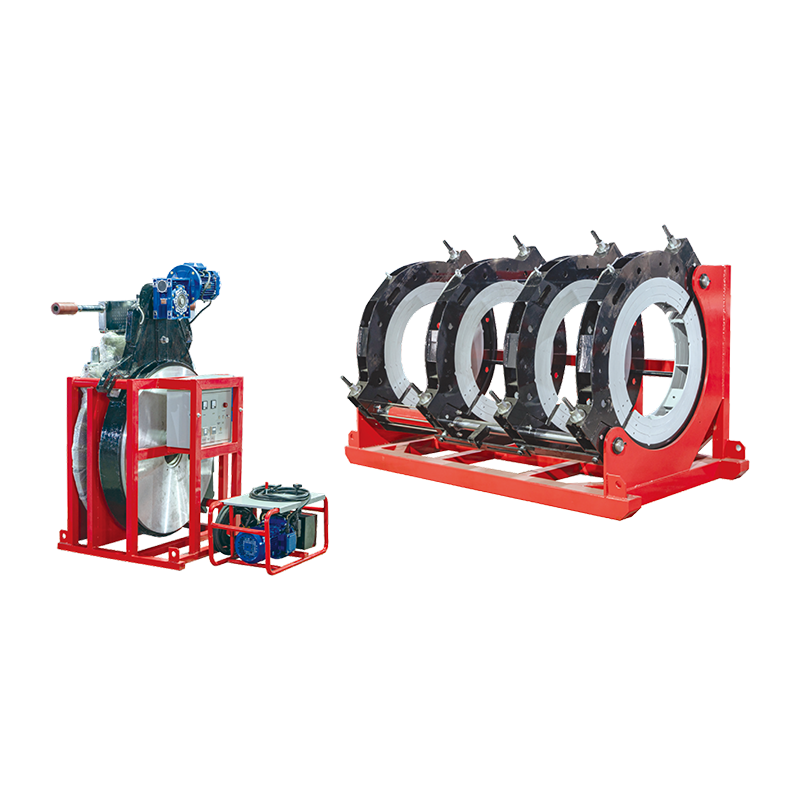
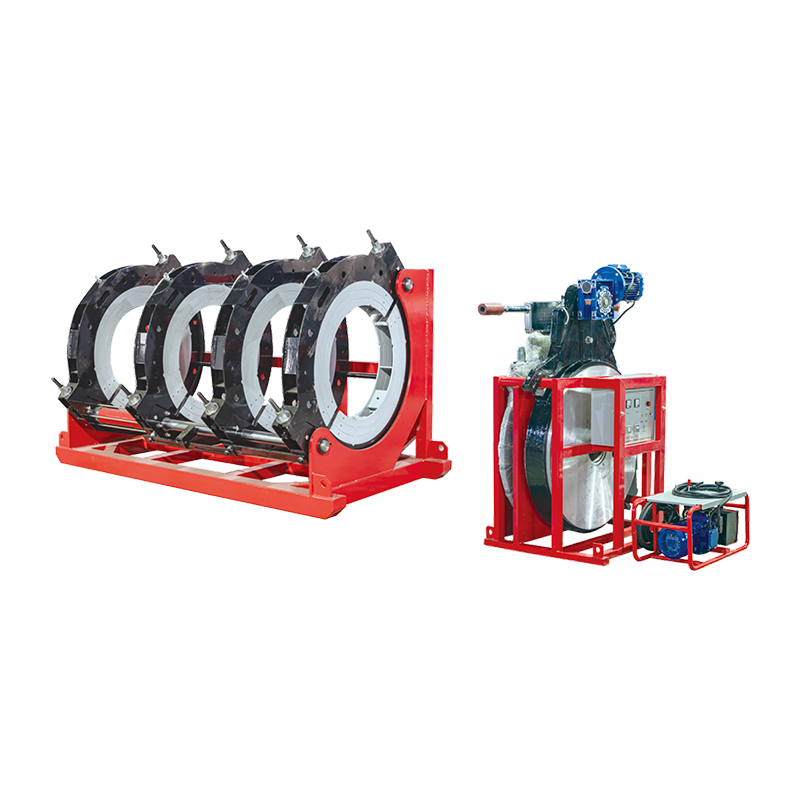
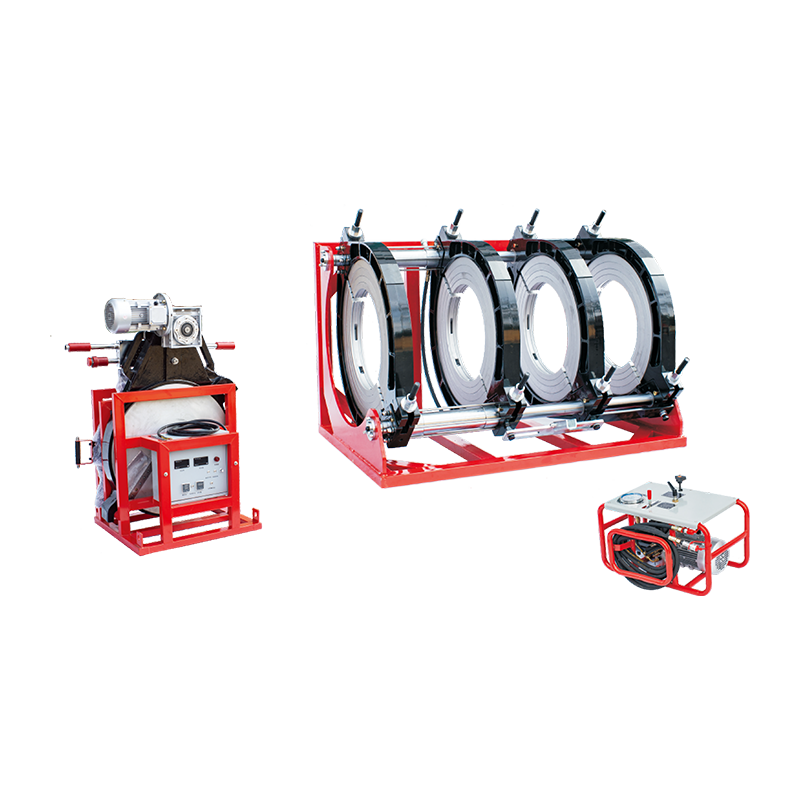
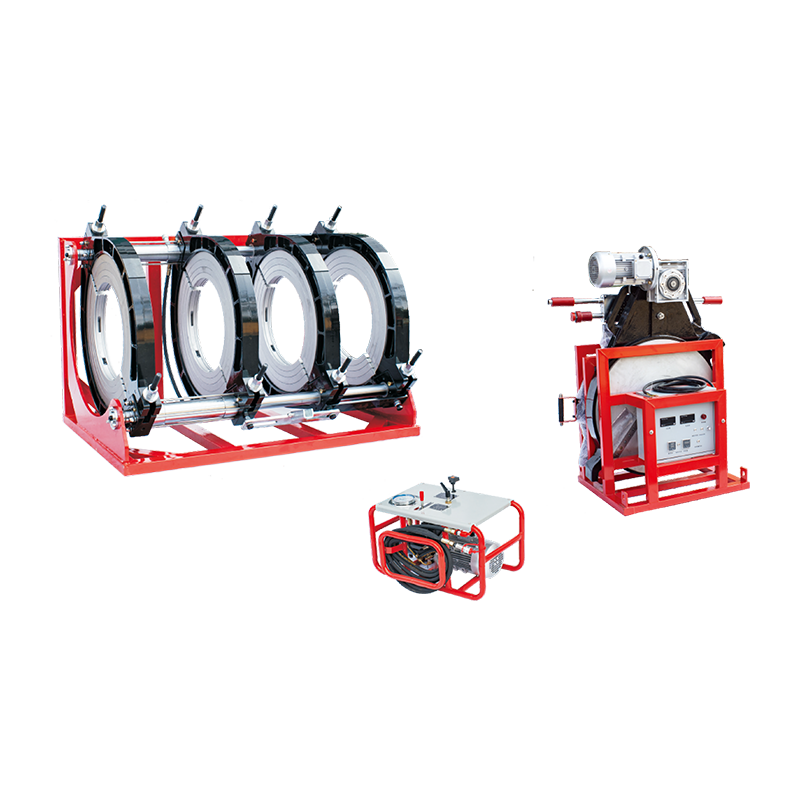
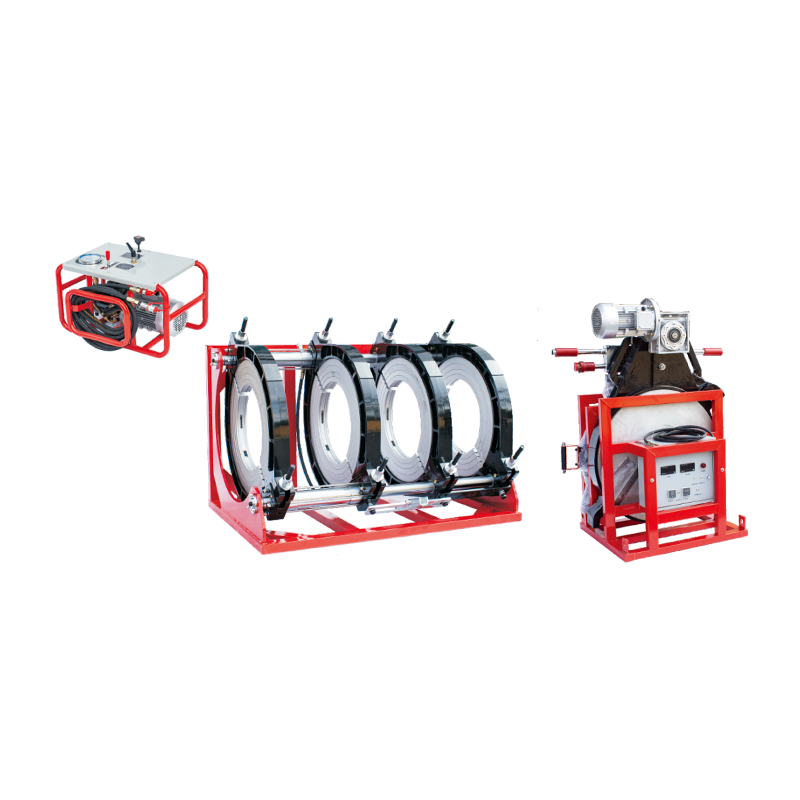
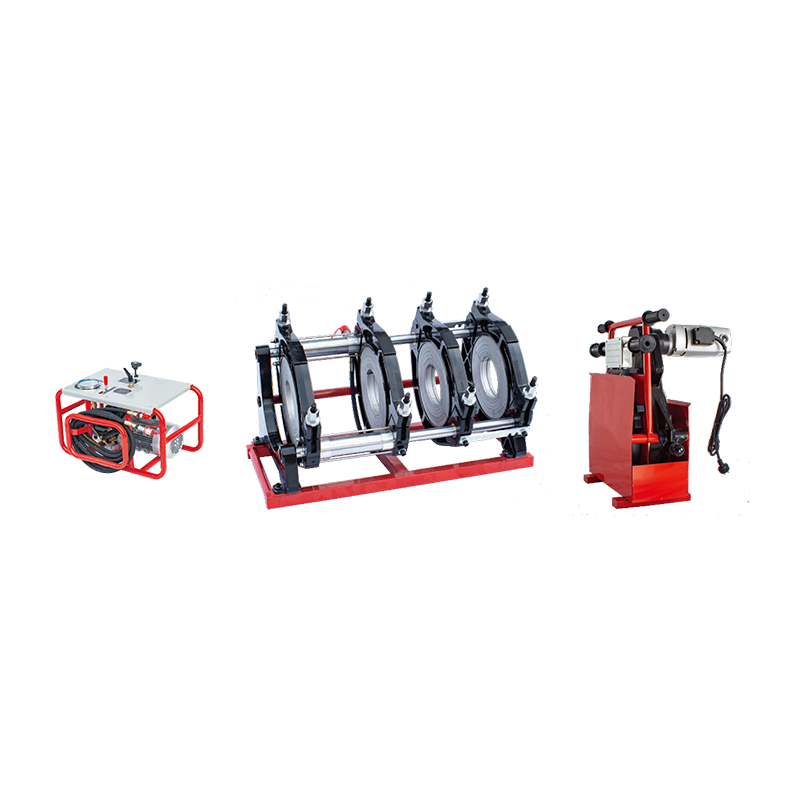
Butt Fusion Welder: The most common type. Specifically used to align and weld the ends of two plastic pipes together. The pipes are clamped, the ends are heated and melted, and then the machine pushes them together under pressure to cool. Widely used in the laying of water and gas pipes.
Electrofusion Welder: This machine does not directly heat the pipes itself. It supplies power to a special "electrofusion fitting" (which contains heating elements). When powered, the fitting heats up internally, melting and bonding the fitting to the surface of the pipe inserted into it. Often used for connecting pipes, repairing pipes, or in places where butt fusion welding is difficult.
Hot Air Welder/Extrusion Welder: Primarily used for welding plastic sheets (e.g., for lining swimming pools or tanks). It blows hot air to melt the edges of the sheets while simultaneously extruding molten plastic filler material into the weld seam, bonding them together.
4. Key Components:
Heating Section: Heating plate, temperature controller, or power controller (for electrofusion welders). Clamping/Pressurizing Section: Clamps, hydraulic cylinders, or pneumatic cylinders ensure the pipes/plates are securely fixed and pressed together with sufficient force.
Control Section: A control panel or controller is used to set and adjust key parameters such as temperature, pressure, and time required for welding.
Frame Structure: Supports the entire machine and ensures stable operation.
5. Why use it?
Strong weld: The welded joint is as strong and durable as the pipe/plate itself.
No leaks: Once welded, it forms a single piece with excellent sealing properties, preventing leaks of water or gas.
Durable: Like plastic pipes/plates, it is corrosion-resistant and has a long lifespan.
High efficiency: For pipeline engineering, it is a fast and reliable primary connection method.