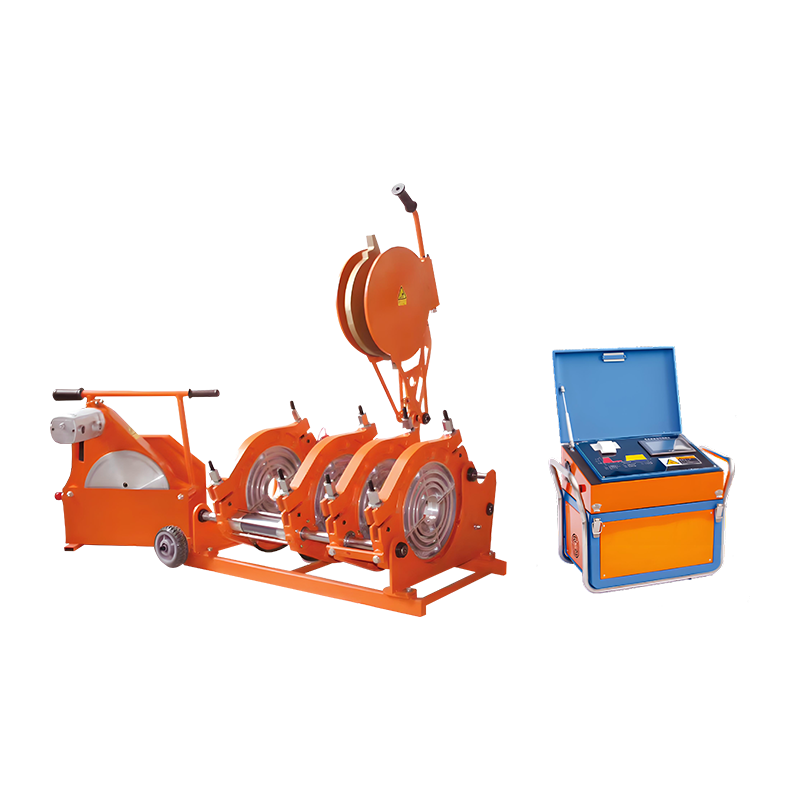
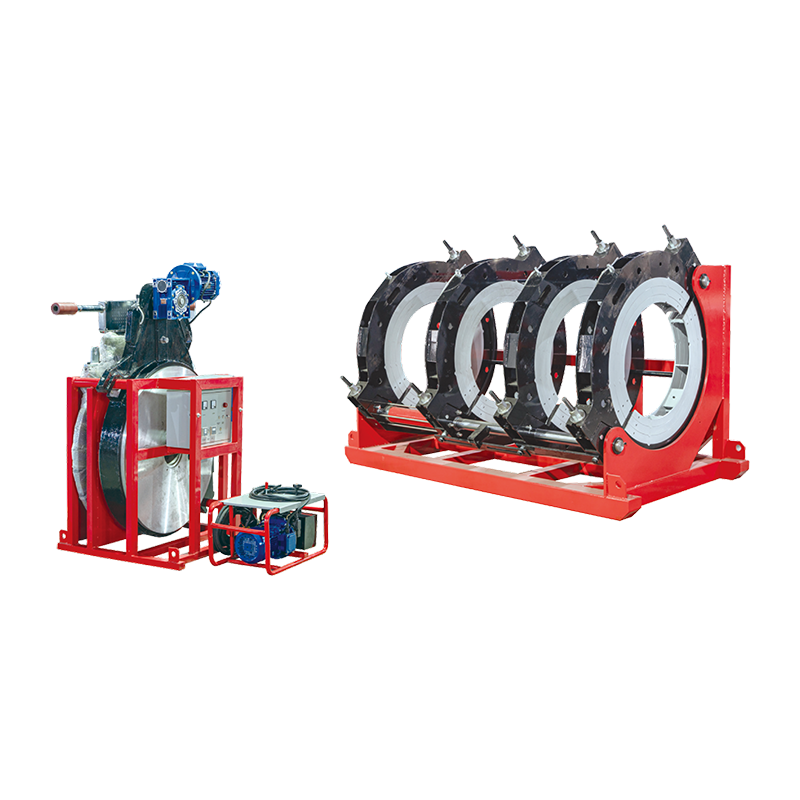
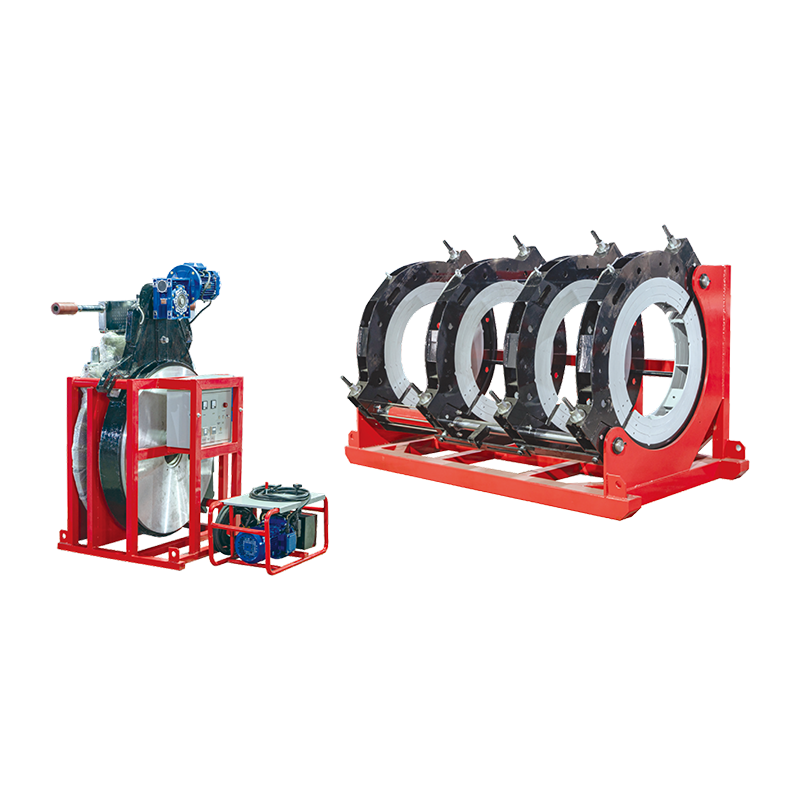
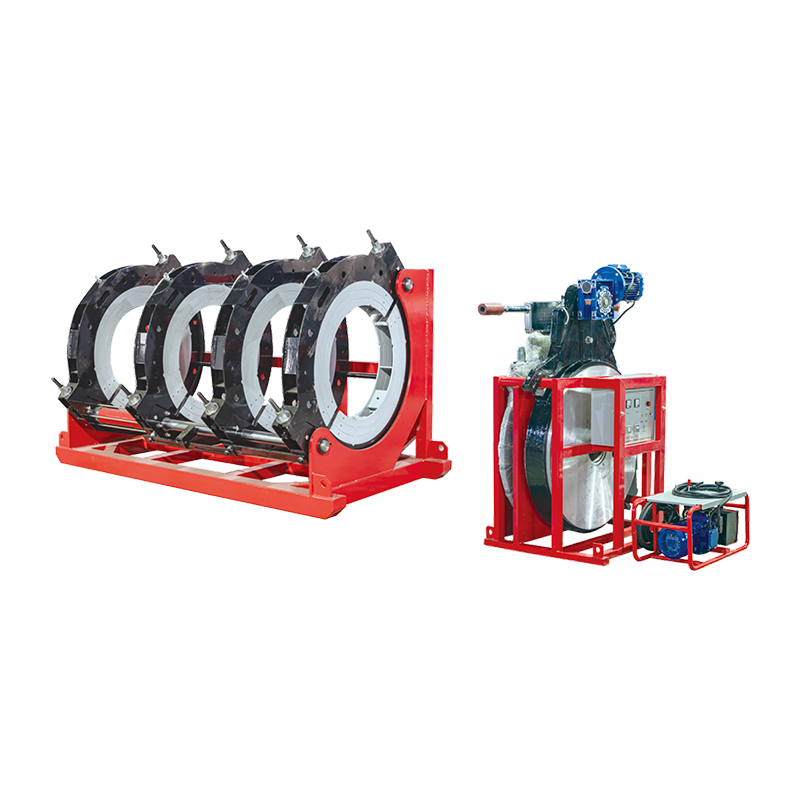
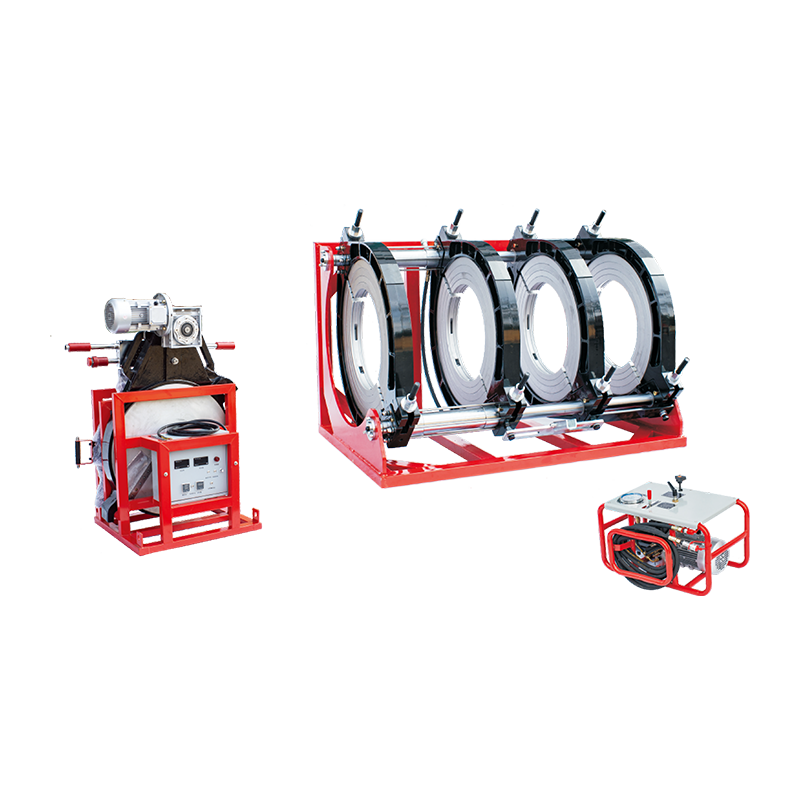
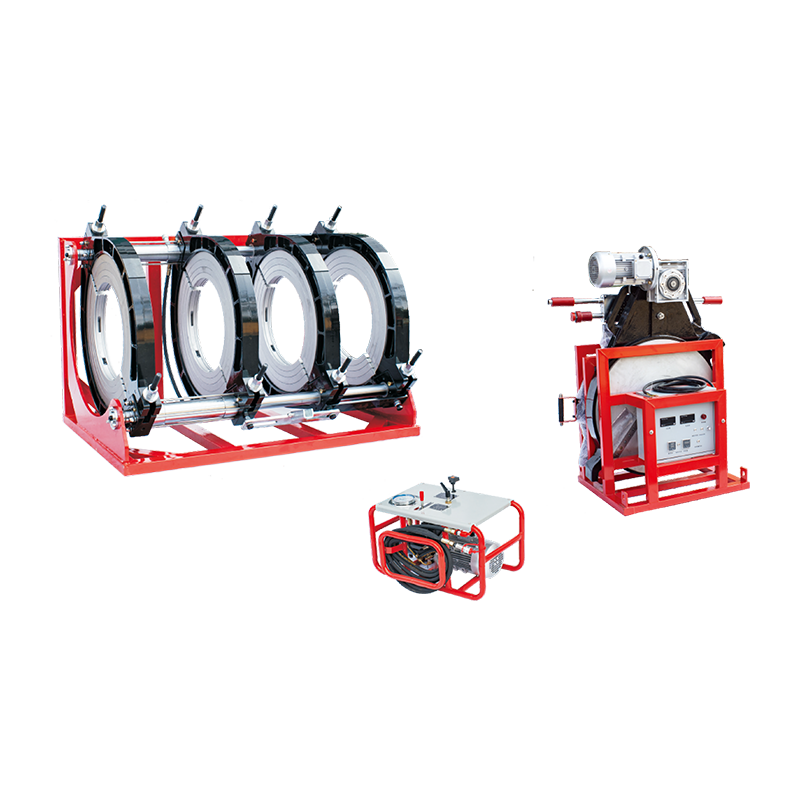
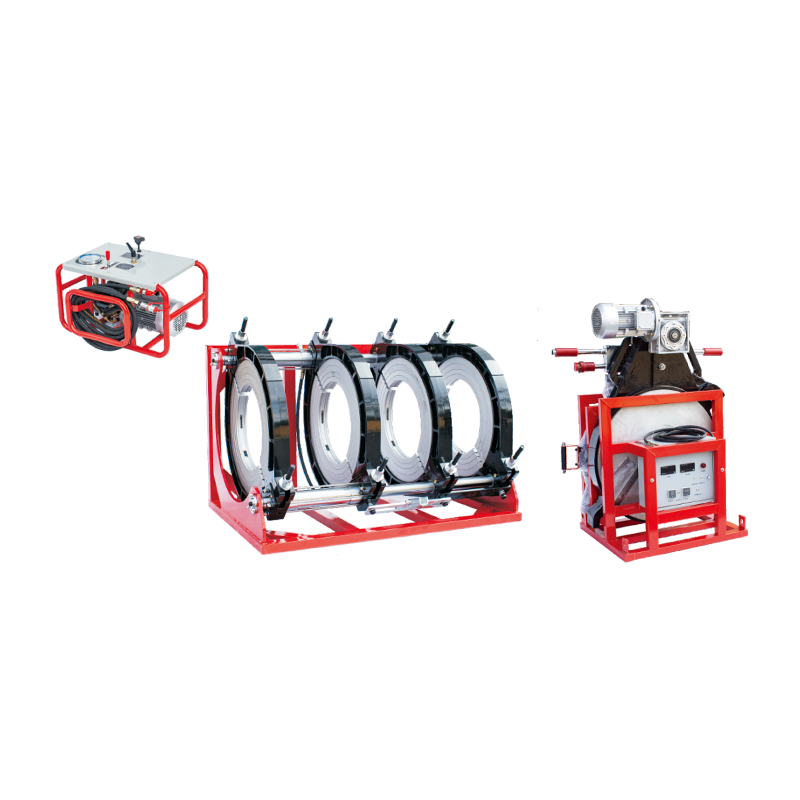
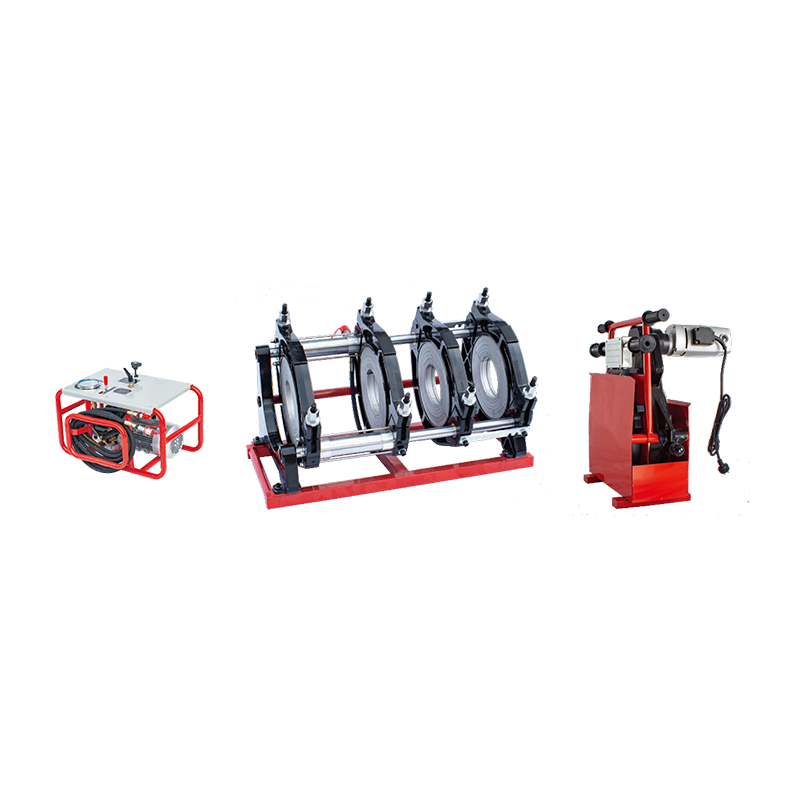
Poly welding — short for polyethylene or plastic pipe welding — is a thermoplastic joining process that uses controlled heat to permanently fuse plastic materials together without adhesives or mechanical fasteners. The result is a leak-free, pressure-rated joint that matches or exceeds the strength of the pipe itself. Among all the techniques classified under this umbrella, Butt Fusion Welding stands out as the most widely used method for joining HDPE, PE, and PP piping systems in gas distribution, water infrastructure, and industrial applications.
When properly executed, a butt fusion weld achieves 100% of the parent material's tensile strength. No other plastic joining method — solvent cementing, electrofusion, or mechanical coupling — delivers this level of joint integrity across all pressure ratings.
What Poly Welding Actually Means
The term "poly welding" covers a family of thermal fusion techniques applied to polyolefin plastics — primarily polyethylene (PE), polypropylene (PP), and polyvinyl chloride (PVC). Unlike metal welding, which melts metals using electric arcs or gas flames, poly welding works by pressing heated plastic surfaces together until the molecular chains intermingle across the interface, then cooling under controlled pressure to solidify the bond.
There is no filler rod, no flux, and no chemical reaction. The weld zone becomes structurally indistinguishable from the surrounding pipe material when the process parameters — temperature, pressure, and timing — are correctly managed. This is why poly welding has replaced threaded fittings and rubber gasket joints in buried gas and water pipelines worldwide. The welded joint simply does not leak.
Key Materials Used
- HDPE (High Density Polyethylene) — most common for gas and water pipe
- MDPE (Medium Density Polyethylene) — gas distribution networks
- PP-R and PP-H — industrial chemical piping
- PVDF — ultra-high purity pharmaceutical and semiconductor lines
- PVC — drainage and lower pressure water systems
Core Principle
Heat brings the pipe ends or fitting surfaces to a molten state. When the heat source is removed, the molten faces are pressed together immediately. As the joint cools under applied force, the polymer chains cross the fusion interface and lock together. The resulting bond has no discrete boundary layer — it is one continuous material.
The Main Types of Poly Welding Techniques
Not every plastic welding job uses the same process. The choice depends on pipe diameter, material type, wall thickness, access conditions, and the required pressure rating. Here are the primary techniques in widespread use:
Most Common
Butt Fusion Welding
A heated plate is clamped between two squared pipe ends until they reach fusion temperature (typically 200–230°C for HDPE). The plate is removed and the two faces are pressed together under controlled force. Butt Fusion Welding Machines handle everything from 63mm diameter pipes up to 1600mm or more. This method is used on straight pipe-to-pipe joints and is the default process for gas and water mains worldwide.
Electrofusion Welding
An electrofusion coupler or saddle contains embedded resistance wires. When a controller passes electrical current through the wires, the inner surface melts and fuses to the pipe. Used for repair joints, connections in confined spaces, or saddle tees onto live mains. Requires less operator skill than butt fusion but the fittings themselves are expensive.
Socket Fusion Welding
Heated tooling simultaneously heats the pipe OD and fitting socket ID. The heated components are pushed together and held until cooled. Restricted to pipe diameters below 125mm (typically 16–63mm) in plumbing and HVAC applications. Simple tooling, fast cycle times, very common in PP-R heating systems.
Hot Gas Welding
A handheld gun blows heated air or nitrogen over a plastic filler rod and the substrate simultaneously, melting both and depositing the rod into a joint groove. Used for fabricating plastic tanks, ducting, and custom fittings. Highly skilled trade; weld quality is operator-dependent.
Extrusion Welding
An extruder feeds molten plastic directly into the joint while a heated shoe pre-heats the base material. Produces high-deposition welds on thick PE sheet fabrication — liners, containment berms, water reservoirs. Faster than hot gas welding for heavy sections.
IR (Infrared) Welding
Non-contact heating via infrared panels replaces the heated plate in butt fusion. Eliminates plate-stick contamination issues and speeds cycle times. Increasingly used in automated Butt Fusion Welding Machines for large-diameter infrastructure projects.
Butt Fusion vs Other Poly Welding Methods — At a Glance
Choosing the right joining method requires weighing multiple factors. The table below compares the most common techniques across the criteria that matter on real projects:
Comparison of common poly welding methods for pipe joining applications
| Method |
Diameter Range |
Joint Strength |
Equipment Cost |
Skill Level Required |
Best Use Case |
| Butt Fusion |
63mm – 1600mm+ |
100% parent |
Medium–High |
Medium |
Gas mains, water mains, industrial |
| Electrofusion |
20mm – 1200mm |
Very High |
Low (controller) / High (fittings) |
Low |
Repairs, tight access, branching |
| Socket Fusion |
16mm – 125mm |
High |
Low |
Low–Medium |
PP-R plumbing, small bore systems |
| Hot Gas Welding |
Sheet / Fabrication |
Medium (operator-dependent) |
Low |
High |
Tanks, custom fabrication |
| Extrusion Welding |
Sheet / Heavy wall |
High |
Medium |
Medium–High |
Liners, reservoirs, containment |
How Butt Fusion Welding Machines Work — Step by Step
Butt Fusion Welding Machines are purpose-built tools that control every variable in the fusion cycle. Understanding the process in detail helps explain why machine selection and parameter control are so critical to joint quality.
01
Pipe Clamping and Alignment
The pipe ends are loaded into the machine's jaw clamps and aligned coaxially. Misalignment greater than 10% of the pipe wall thickness is cause for rejection under most standards (ISO 21307, DVS 2207-1). The clamps must grip without crushing the pipe, which is why jaw inserts are sized to match the exact pipe OD.
02
Facing / Trimming
A rotating facer blade trims both pipe ends simultaneously until two continuous, parallel plastic ribbons emerge, confirming that the faces are flat, square, and free of contamination. Any gap between the faced ends must be less than 0.5mm for pipes up to 355mm, or 1.0mm for larger diameters. This step is non-negotiable — surface irregularities create void pockets in the weld.
03
Heating Plate Contact (Heat Soak)
The heating plate — set to the material's target temperature, typically 210°C ± 10°C for PE100 — is inserted between the pipe ends. The carriage moves both ends into contact with the plate under a specified "bead-up" pressure until a bead of melted plastic of defined height forms around the full circumference. Then pressure drops to near-zero while the heat soaks through the wall thickness to the required depth. This dual-phase heating (bead-up + heat soak) is what distinguishes professional Butt Fusion Welding Machines from improvised setups.
04
Plate Removal — The Critical Transition
The heating plate must be removed and the pipe ends brought together within a defined changeover time. For pipes up to 400mm, this window is typically 5–6 seconds. Exceeding it allows the melt front to cool below fusion temperature, creating a cold weld that passes visual inspection but fails under pressure. Automated CNC Butt Fusion Welding Machines execute this transition in under 3 seconds regardless of pipe diameter, eliminating human reaction time as a variable.
05
Fusion Under Pressure
The molten faces are brought together and held at the specified fusion pressure. This pressure must be precise — too low and the melt doesn't intermingle sufficiently; too high and it squeezes out the molten material before fusion occurs. Fusion pressure for PE pipe is typically calculated as 0.15 N/mm² of the pipe's cross-sectional area. The joint is held at this pressure throughout the cooling phase.
06
Controlled Cooling
The joint cools under fusion pressure in the machine clamps. Cooling time is a function of wall thickness — typically 10–11 minutes per millimeter of wall thickness for HDPE. Removing the joint from the clamps before cooling is complete distorts the joint and generates residual stress at the weld interface. Proper Butt Fusion Welding Machines include timers and pressure gauges to enforce this cooling requirement.
Critical Process Parameters in Poly Welding
Joint quality in poly welding is determined before, during, and after the fusion cycle. Process variables interact — a deviation in one parameter can be masked by a compensating change in another, producing a visually acceptable weld that will fail prematurely in service. The following parameters must all be controlled simultaneously.
T
Heating Plate Temperature
For PE80: 200–220°C. For PE100: 210–230°C. For PP: 200–220°C. Temperature must be uniform across the entire plate surface — variance greater than ±10°C creates uneven melt depth and inconsistent bead formation. Plate temperature verification with a calibrated thermocouple or contact pyrometer is mandatory before each weld series.
P
Welding Pressure
Bead-up pressure, heat soak pressure (near-zero), and fusion pressure are three distinct values in the welding cycle. Fusion pressure calculation depends on pipe OD, wall thickness (SDR), and material. Butt Fusion Welding Machines with hydraulic pressure control display live pressure readings and can be programmed to maintain target values within ±2 bar throughout the cycle.
t
Heat Soak Time
Heat soak time scales with wall thickness. DVS 2207-1 specifies approximately 10 seconds per millimeter of wall thickness for PE, with minimum and maximum limits. A 32mm wall thickness pipe (e.g., DN500 PE100 SDR17) requires roughly 320 seconds of heat soak. This is not a guideline — it is a structural requirement for achieving full melt depth.
C
Ambient Conditions
Wind, rain, and cold temperatures all affect pipe surface temperature and the rate of heat loss during the changeover phase. Welding below 0°C or in winds above 5 m/s requires enclosure tents and extended heat soak times. ISO 12176-3 provides cold weather welding guidelines. Ignoring ambient conditions is the most common cause of failed quality inspections.
S
Surface Cleanliness
Contamination of the fusion surface — oil, moisture, oxidation, paint — prevents molecular bonding across the interface. Even fingerprints from bare hands can deposit enough skin oil to create localized weld failures. Surfaces must be cleaned with isopropyl alcohol and allowed to dry before facing. Faced surfaces must not be touched and must be welded within a defined time (typically 30 minutes of facing).
B
Bead Geometry
The weld bead — the rolled-over flange of displaced melt visible after fusion — is the primary visual quality indicator. Bead width and height must be uniform around the full pipe circumference. A narrow or absent bead on one side indicates insufficient heat or pressure. Standards specify minimum and maximum bead dimensions based on pipe diameter and wall thickness.
Types of Butt Fusion Welding Machines
The equipment used for poly welding has evolved significantly over the past two decades. Modern Butt Fusion Welding Machines range from simple manually operated units for small-bore irrigation pipe to fully automated CNC systems that log every parameter of every weld for permanent traceability.
Operator controls all movements and timing by hand. Appropriate for pipes from 63mm to 250mm in non-critical applications. Low capital cost (from approximately $2,000 USD for basic units) but highly dependent on operator skill and attention. Not acceptable for gas distribution or potable water mains in most regulatory frameworks.
Hydraulic cylinders control carriage movement and pressure, but the operator still manages timing and plate insertion/removal. Most common class of Butt Fusion Welding Machines for utility contracting. Typical range: 90mm to 630mm pipe diameter. Pressure is reliably controlled; timing remains operator-dependent. Rental cost ranges from $200–$800 per day depending on size.
A PLC or microprocessor executes the entire weld cycle based on programmed parameters for the specific pipe material, diameter, and wall thickness. The operator loads the pipe, enters the parameters, and the machine handles the rest — bead-up, heat soak, plate retraction, fusion, and cooling — with no manual intervention. These Butt Fusion Welding Machines record a complete weld data log (temperatures, pressures, timings, GPS coordinates on some models) for each joint. Required for gas transmission pipelines and large water infrastructure. Cost from $30,000 to over $200,000 USD for large-diameter automated systems.
For pipeline construction projects with hundreds or thousands of welds, track-mounted Butt Fusion Welding Machines mount directly onto the pipe string and move along the alignment, welding as they go. Other specialty configurations include pit machines for confined trench access, saddle fusion machines for branch connections, and machines designed for PE-lined steel pipe rehabilitation. Each addresses a limitation of standard frame-based designs.
Quality Control and Testing in Poly Welding
A weld that looks correct may still fail. Poly welding quality assurance goes beyond visual bead inspection and encompasses destructive, non-destructive, and procedural controls that together define whether a pipeline is fit for service.
Visual Inspection
Every butt fusion weld is visually inspected for bead uniformity, correct bead width and height ratio, absence of notches or grooves in the bead root, and joint alignment. Visual inspection alone cannot detect cold welds, contamination-induced disbonds, or internal voids — it is a necessary but insufficient quality check.
Destructive Testing
Tensile test specimens are machined from sample welds cut from test pieces welded under the same conditions as production welds. The specimen must fracture in the parent material, not at the weld interface. Bend tests (single-point bending to 180°) assess ductility. Peel tests on electrofusion joints confirm bonding across the full socket length. These tests are performed at the start of each work shift and after any parameter change.
Non-Destructive Testing (NDT)
Phased array ultrasonic testing (PAUT) can detect internal planar defects in butt fusion welds down to 2mm in height. High-frequency ultrasound is transmitted through the weld zone and reflections from discontinuities are mapped to a cross-sectional image. This technique is increasingly specified for gas transmission and nuclear industry piping. Radiography is not effective on plastic due to low material density contrast.
Pressure Testing
Completed pipeline sections are hydrostatically tested to 1.5 times the maximum operating pressure for a defined hold period, typically 1–4 hours. Any weld defect that creates a path through the wall will leak during this test. Pneumatic testing (air or inert gas) provides greater sensitivity for detecting very small leaks but carries higher safety risk if a weld fails catastrophically under pressure.
Industry Standards That Govern Poly Welding
Poly welding on infrastructure projects is not performed to generic best practices — it is governed by mandatory standards with specific parameter limits, operator qualification requirements, and documentation protocols. The standards that apply depend on geographic location, material, and application.
- ISO 21307 — Plastics pipes and fittings — Butt fusion jointing procedure for polyethylene (PE) pipes and fittings. Covers weld parameters for PE80 and PE100 across all SDR classes.
- DVS 2207-1 (Germany) — The most detailed and widely referenced standard for HDPE butt fusion welding worldwide. Specifies dual-parameter welding tables with pressure and time values for each pipe dimension.
- EN 12732 — Gas supply systems — Welding steel and polyethylene pipework — Functional requirements.
- AWS D1.1 / ASME B31.3 — While primarily metal welding standards, many plastic pipe fabrication shops reference these frameworks for their quality management system structure when no plastic-specific code applies.
- ASTM F2620 — Standard Practice for Heat Fusion Joining of Polyethylene Pipe and Fittings (North America). Widely used by US water utilities and gas distribution companies.
- WIS 4-32-08 (UK Water Industry Specification) — Defines butt fusion requirements for polyethylene water main installation in England and Wales.
- ISO 12176 series — Covers the equipment used in poly welding — Butt Fusion Welding Machines, electrofusion controllers, and accessories — specifying their performance requirements and data logging capabilities.
Operator certification is typically required by the same standards or by client specifications. Training programs through the Plastic Pipe Institute (PPI), Gas Industry Standards Board (GISB), or accredited vocational bodies lead to qualifications that must be periodically renewed. An uncertified operator on a gas main joint is a liability and a code violation, not just a quality risk.
Where Poly Welding Is Used — Real-World Applications
The reach of poly welding extends far beyond municipal utilities. Any system that conveys fluids or gases under pressure, that is buried, submerged, or exposed to corrosive environments, and that requires leak-free joints over a design life of 50–100 years is a candidate for welded polyethylene or polypropylene construction.
1
Natural Gas Distribution
HDPE and MDPE pipe joined with Butt Fusion Welding Machines forms the backbone of medium and low-pressure gas networks in Europe, North America, and Asia. The UK's National Grid has installed over 200,000 km of polyethylene gas mains since the 1970s, replacing corroded iron pipes. The absence of cathodic protection requirements and the immunity to electrolytic corrosion make welded PE the first choice for buried gas service.
2
Water and Wastewater Infrastructure
Potable water transmission mains, treated water distribution, sewage force mains, and stormwater drains use HDPE pipe with butt fusion joints. The material's resistance to biological growth, chlorine, and chloramine byproducts makes it preferable to PVC or ductile iron for modern installations. Trenchless installation methods (horizontal directional drilling, pipe bursting) require butt-fused long strings that can be pulled through the ground without joint leakage.
3
Industrial Process Piping
Chemical plants, mining operations, pulp and paper mills, and semiconductor fabrication facilities use PP-H, PVDF, and HDPE piping systems where aggressive chemicals would destroy metal pipe within months. Poly welding produces joints that resist hydrofluoric acid, sulfuric acid, sodium hydroxide, and hundreds of other chemicals that would corrode stainless steel. The food and pharmaceutical industries use PVDF butt fusion systems where ultra-purity is required.
4
Marine and Offshore
Seawater intake and discharge pipelines for desalination plants, fish farm cage mooring systems, and submarine outfall pipes use welded HDPE. The material floats (density 0.94–0.96 g/cm³ for HDPE, less than seawater at 1.025 g/cm³), which simplifies installation of submarine pipelines — the pipe string is assembled onshore with butt fusion, floated out to position, and sunk by controlled flooding.
5
Geothermal and District Heating
Pre-insulated HDPE carrier pipes for district heating systems are joined with Butt Fusion Welding Machines on-site. These systems operate at supply temperatures up to 90°C continuously, requiring PE-RT (raised temperature polyethylene) grades and modified welding parameters. Geothermal ground loop systems for heat pumps use coiled HDPE pipe with fusion-joined headers.
6
Mining Slurry Transport
Mine tailings, slurry pipelines, and process water systems in mining operations experience severe abrasive wear combined with chemical attack. HDPE pipe with butt fusion joints handles these conditions with design lives exceeding 25 years in applications where steel pipe might require replacement every 3–5 years. The smooth bore also reduces pumping energy compared to corroded steel pipe.
Common Poly Welding Mistakes and How to Avoid Them
Most weld failures in plastic piping systems trace back to a small number of well-documented errors. Each of the following has caused real pipeline failures — some catastrophic — and each is entirely preventable with correct procedure and supervision.
Common poly welding defects, their causes, and prevention methods
| Defect |
Root Cause |
Detection Risk |
Prevention |
| Cold weld (insufficient fusion depth) |
Plate too cold, short heat soak, fast changeover |
High — looks normal visually |
Verify plate temperature; time soak per standard; use automated machine |
| Contaminated interface |
Dirt, oil, moisture on fusion face |
Very High |
Clean and face immediately before welding; do not touch faces |
| Misalignment |
Worn clamps, incorrect pipe support |
Low — visible on bead |
Check alignment before and after clamping; maintain machine clamps |
| Premature cooling during changeover |
Long changeover time, wind, cold ambient |
High |
Work in shelter; use automated retraction; preheat pipe in cold weather |
| Plate stick / contaminated plate |
Degraded PTFE coating, overheated plate |
Medium |
Inspect and replace plate coating; never exceed max plate temperature |
| Early clamp release |
Cooling time not completed |
High |
Follow wall-thickness-based cooling time; use machine timer |
Poly Welding vs Metal Welding — Key Differences
Engineers familiar with metal pipe welding sometimes underestimate the complexity of poly welding, or make the opposite error of over-applying metal welding principles. The two processes share some structural similarities but differ in almost every technical detail.
Poly Welding (Thermal Fusion)
- No consumables or filler material in butt fusion
- Low temperatures (200–230°C vs 1400°C+ for steel)
- Pressure-driven joint formation
- Cooling time is a process requirement, not just safety
- Visual inspection misses most internal defects
- Machine calibration is critical
- No protective shielding gas needed
- Joint strength equals parent material when done correctly
Selecting the Right Butt Fusion Welding Machine for Your Project
Not every project needs the same class of equipment. Selecting Butt Fusion Welding Machines correctly saves cost, reduces risk, and keeps the project compliant with contract quality requirements. The following factors drive the selection decision:
Pipe Diameter and SDR
Machine clamp jaws are designed for specific OD ranges. A machine rated for 63–250mm cannot be adapted for 400mm pipe. Wall thickness (SDR) determines fusion pressure, so the machine's hydraulic system must be capable of delivering and sustaining the calculated fusion force for the thickest wall in the project scope. Always specify both OD range and SDR range when sourcing Butt Fusion Welding Machines.
Production Volume and Schedule
A project requiring 500 joints per day in a 12-month construction schedule needs automated Butt Fusion Welding Machines with fast cycle times and data logging. A rural irrigation project with 50 joints total can be completed efficiently with a hydraulic semi-automatic unit. Over-specifying machine capability increases capital cost; under-specifying increases quality risk and may cause program delays.
Regulatory and Client Requirements
Gas transmission projects in most jurisdictions require CNC Butt Fusion Welding Machines with full parameter logging and weld traceability. Water utility clients may specify minimum machine capabilities in their construction standards. Confirm the project specification before committing to equipment — a manual machine that passes visual inspection may still fail the weld documentation audit.
Site Conditions
Confined trench conditions limit the physical footprint of the machine. Muddy, uneven ground affects machine stability and pipe alignment. Remote sites without electrical power require diesel-powered Butt Fusion Welding Machines or generator sets. Assess the site access before choosing between available machines — a technically superior machine that cannot operate efficiently on the actual site is the wrong choice.
The Future of Poly Welding Technology
Poly welding is not a static technology. Several developments are actively changing how Butt Fusion Welding Machines operate and how weld quality is assured across major infrastructure projects.
Digital Weld Traceability and Cloud Logging
Modern Butt Fusion Welding Machines now transmit weld data in real time to cloud platforms where project managers can monitor every joint from any location. Parameters outside tolerance trigger immediate alerts. This capability is transforming quality assurance from a retrospective audit function to real-time process control. Some platforms generate weld reports compliant with ISO 12176-4 automatically, eliminating the paper-based data entry that previously introduced transcription errors.
Robotic and Semi-Robotic Welding Systems
Fully robotic Butt Fusion Welding Machines capable of operating in narrow trenches with minimal human intervention are in active development and limited deployment. These systems use machine vision to align pipes, laser profilometry to verify face quality, and closed-loop control to maintain fusion parameters within tighter tolerances than human operators can achieve consistently. Labour cost and skill shortage drivers are accelerating adoption.
Infrared and Non-Contact Heating
Infrared Butt Fusion Welding Machines eliminate the physical contact heating plate, removing plate-stick defects and reducing the cycle time for large-diameter pipes. IR heating also allows better control of the temperature gradient through the pipe wall, potentially improving fusion quality on thick-wall SDR11 and SDR9 pipes. IR-based systems are already specified by major European gas utilities for critical infrastructure welding.
Advanced NDT Integration
Phased array ultrasonic systems specifically designed for plastic pipe weld inspection are becoming more compact and affordable. Integration of inline PAUT inspection immediately after welding — before the joint is buried — is technically feasible and is being piloted on high-value gas infrastructure projects. The goal is 100% NDT coverage of all fusion joints without the cost and delay of manual ultrasonic inspection.

 English
 中文简体
中文简体 русский
 عربى
عربى