 English
 中文简体
中文简体 русский
 عربى
عربى

Content
- 1 Which Materials Can Be Fusion Welded?
- 2 Thermoplastics: The Core Category for Butt Fusion Welding Machines
- 3 Thermoplastic Material Comparison for Butt Fusion Welding
- 4 Metals That Can Be Fusion Welded
- 5 Materials That Cannot Be Fusion Welded
- 6 How Butt Fusion Welding Machines Work With Different Materials
- 7 Industry Standards Governing Fusion Welding by Material
- 8 Selecting the Right Butt Fusion Welding Machine for Your Material
- 9 Common Defects in Fusion Welded Joints and How to Avoid Them
- 10 Testing and Quality Assurance for Fusion Welded Joints
Which Materials Can Be Fusion Welded?
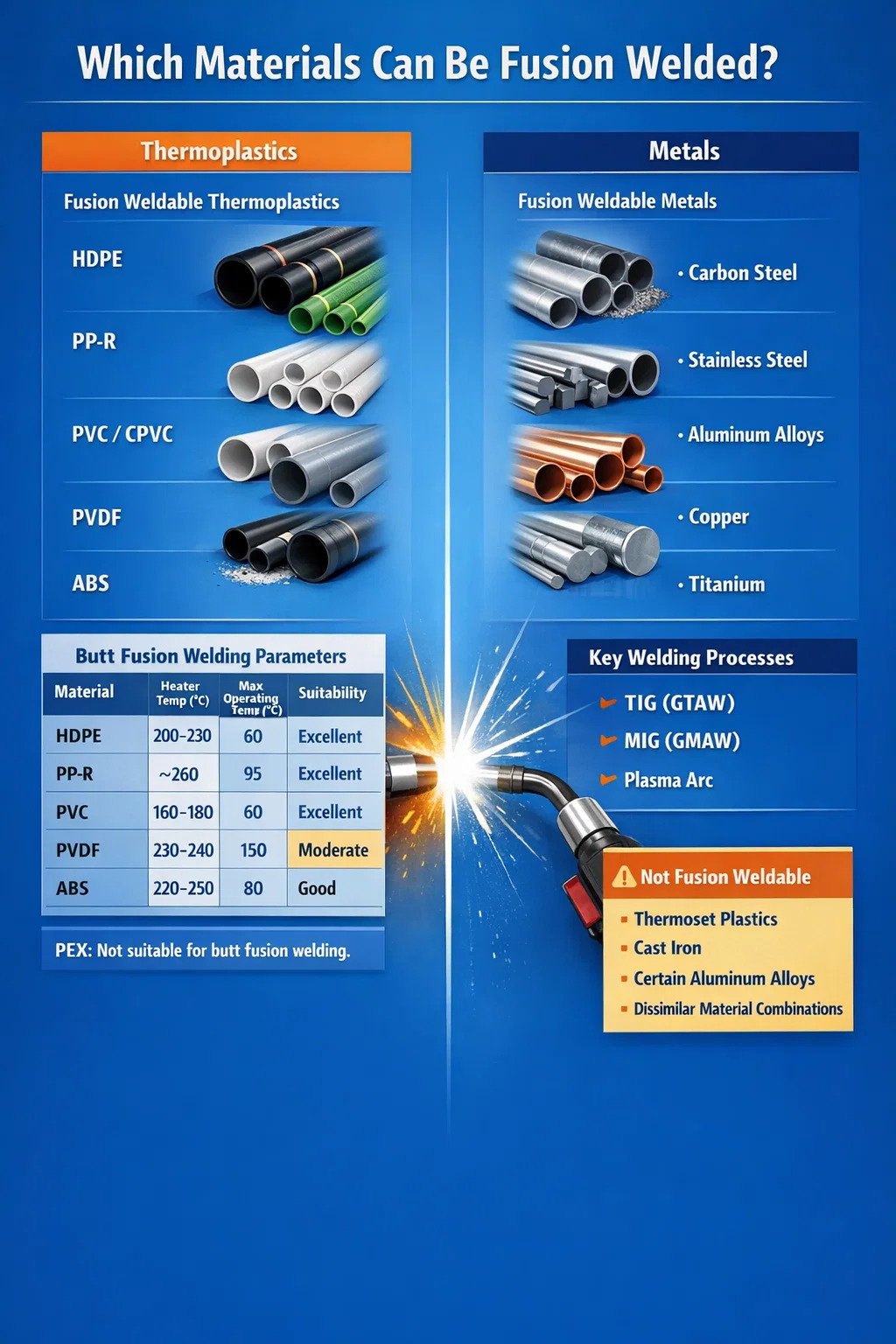
The short answer: thermoplastics and certain metals are the primary materials compatible with fusion welding. In the context of piping and industrial applications, thermoplastics such as high-density polyethylene (HDPE), polypropylene (PP), polyvinyl chloride (PVC), and cross-linked polyethylene (PEX) dominate the field. On the metallic side, materials including carbon steel, stainless steel, aluminum alloys, copper, and titanium are routinely fusion welded using processes like TIG, MIG, and plasma arc welding. However, not every material responds equally — the weldability depends on molecular structure, melting point, thermal conductivity, and whether the material returns to a solid state with structural integrity after cooling.
Understanding material compatibility is not just a technical curiosity — it has direct consequences for project safety, regulatory compliance, and long-term system performance. A pipe joint that fails because the wrong material was selected for butt fusion welding can result in catastrophic leaks in gas distribution networks, water infrastructure, or chemical processing systems. This guide breaks down each material category, explains why it can or cannot be fusion welded, and provides the data you need to make informed decisions.
Thermoplastics: The Core Category for Butt Fusion Welding Machines
Thermoplastics are the materials most directly associated with butt fusion welding machines. These materials soften predictably when heated and re-solidify when cooled, allowing two pipe ends or fittings to be permanently joined without adhesives or mechanical fasteners. The resulting joint, when executed correctly, is as strong as or stronger than the parent material.
High-Density Polyethylene (HDPE)
HDPE is the most widely fusion-welded thermoplastic in the world. It is used in gas distribution, potable water lines, sewage infrastructure, mining slurry pipelines, and industrial chemical transport. HDPE pipes are typically available in pressure ratings from SDR 7.3 to SDR 35, and butt fusion welding is the preferred joining method for diameters from 63 mm up to 1600 mm and beyond.
The butt fusion process for HDPE involves four stages: clamping, facing, heating, and joining. The heater plate temperature is typically set between 200°C and 230°C, depending on pipe wall thickness and ambient temperature. Fusion pressure, drag pressure, and cooling time are all calculated based on pipe diameter and SDR ratio. For example, a 315 mm SDR 11 HDPE pipe requires a specific heat soak time and joining force that a properly programmed butt fusion welding machine will manage automatically in CNC-controlled models.
HDPE is also compatible with electrofusion welding, socket fusion, and saddle fusion — but butt fusion remains the method of choice for straight-run joints in larger diameter applications because it produces a continuous, monolithic joint with no added fittings or materials.
Polypropylene (PP and PP-R)
Polypropylene, particularly PP-R (polypropylene random copolymer), is heavily used in hot and cold water plumbing systems, HVAC installations, and chemical process piping. PP-R can handle operating temperatures up to 95°C continuously and short-term peaks of around 110°C, making it suitable for heating systems where HDPE would be marginal.
Butt fusion welding machines designed for PP-R typically operate with heater plate temperatures around 260°C. Socket fusion is also commonly used for smaller diameter PP-R pipes (below 40 mm), while butt fusion takes over for larger diameters. PP-R pipes used in potable water systems must meet standards such as DIN 8077/8078 and ISO 15874, and the welding process must comply with DVS 2207 guidelines in European markets.
Polyvinyl Chloride (PVC and CPVC)
Standard PVC can be fusion welded, but it requires careful temperature control because PVC has a relatively narrow processing window. The melting point is around 160°C to 180°C, and above approximately 200°C, PVC begins to degrade and release chlorine gas — a serious health and safety concern. For this reason, PVC is more commonly joined using solvent cement rather than thermal fusion in smaller diameter residential and commercial systems.
However, for industrial PVC piping in larger diameters, butt fusion welding is used with specialized heater plates and temperature control systems. CPVC (chlorinated polyvinyl chloride) is better suited to elevated temperature applications, withstanding up to 93°C under pressure, and it can also be butt fusion welded with appropriate equipment.
Polybutylene (PB) and Cross-Linked Polyethylene (PEX)
Polybutylene was widely used in residential plumbing from the 1970s through the 1990s and can be fusion welded, though it has largely fallen out of favor due to susceptibility to degradation from oxidants in tap water. Cross-linked polyethylene (PEX) presents a different challenge: because the cross-linking process creates a thermoset-like network, PEX cannot be butt fusion welded in the traditional sense. Instead, PEX is joined using mechanical fittings, compression rings, or proprietary systems such as PEX-a expansion fittings.
Polyvinylidene Fluoride (PVDF)
PVDF is a high-performance engineering thermoplastic used in chemical processing, semiconductor manufacturing, and pharmaceutical piping systems. It offers excellent chemical resistance, a broad operating temperature range of -40°C to 150°C, and outstanding UV and radiation resistance. PVDF can be butt fusion welded, but it demands precise temperature control — heater plate temperatures around 230°C to 240°C — and extended heat soak times compared to HDPE. Specialized butt fusion welding machines with fine-tuned pressure and temperature feedback are preferred for PVDF.
Acrylonitrile Butadiene Styrene (ABS)
ABS is commonly fusion welded in drain, waste, and vent (DWV) piping, as well as in automotive and consumer product manufacturing. The fusion welding temperature range for ABS is approximately 220°C to 250°C. Ultrasonic welding and hot plate welding are both viable methods for ABS, with hot plate (butt fusion) welding preferred for pipe joints in infrastructure applications.
Thermoplastic Material Comparison for Butt Fusion Welding
The following table summarizes key fusion welding parameters for the most commonly welded thermoplastics:
| Material | Heater Plate Temp (°C) | Max Operating Temp (°C) | Common Applications | Butt Fusion Suitability |
|---|---|---|---|---|
| HDPE | 200–230 | 60 | Gas, water, sewage | Excellent |
| PP-R | ~260 | 95 | Plumbing, HVAC | Excellent |
| PVC | 160–180 | 60 | Industrial drainage | Moderate (narrow window) |
| PVDF | 230–240 | 150 | Chemical, pharma | Good (specialist equipment) |
| ABS | 220–250 | 80 | DWV, automotive | Good |
| PEX | N/A | 95 | Radiant heating, plumbing | Not suitable |
Metals That Can Be Fusion Welded
While butt fusion welding machines in the plastic piping industry rely on hot plate technology, fusion welding for metals encompasses a broader range of processes: arc welding, gas welding, electron beam welding, and laser welding. In each case, the base material is melted and fused, often with or without a filler material. The weldability of a metal depends on its metallurgical characteristics — particularly its response to rapid heating and cooling cycles.
Carbon Steel and Low-Alloy Steel
Carbon steel is the most commonly fusion-welded metal in the world. Low-carbon steels (below 0.30% carbon content) are highly weldable and require minimal preheating. Medium-carbon steels (0.30% to 0.60% carbon) require preheating to 150°C to 260°C to prevent hydrogen-induced cracking. High-carbon steels (above 0.60% carbon) are difficult to weld and often require post-weld heat treatment.
Low-alloy steels, such as those used in pressure vessels and structural applications, are also fusion weldable but often require controlled heat input to avoid heat-affected zone (HAZ) embrittlement. Processes including Shielded Metal Arc Welding (SMAW), Gas Metal Arc Welding (GMAW/MIG), and Submerged Arc Welding (SAW) are standard for carbon and low-alloy steels.
Stainless Steel
Austenitic stainless steels (300 series, such as 304 and 316) are widely fusion welded using TIG (GTAW) and MIG (GMAW) processes. The main challenge with stainless steel is sensitization — carbide precipitation at grain boundaries when the steel is held in the temperature range of 425°C to 815°C for extended periods. This can lead to intergranular corrosion in service. To counter this, low-carbon grades (e.g., 304L and 316L) are preferred for welded assemblies.
Ferritic and martensitic stainless steels are also fusion weldable, though they require more care. Duplex stainless steels (e.g., 2205) are increasingly used in chemical processing and offshore applications and are fusion welded with TIG, MIG, or plasma processes, with strict interpass temperature controls typically below 150°C.
Aluminum and Aluminum Alloys
Aluminum presents unique challenges for fusion welding due to its high thermal conductivity, the tenacious aluminum oxide layer on its surface (melting point approximately 2072°C compared to the base metal's ~660°C), and its susceptibility to porosity from hydrogen absorption. TIG welding with AC current and MIG welding are the standard fusion processes for aluminum.
Not all aluminum alloys are equally weldable. The 1xxx, 3xxx, and 5xxx series are generally straightforward to fusion weld. The 2xxx series (aluminum-copper alloys) and 7xxx series (aluminum-zinc alloys) are considered difficult or non-weldable by conventional fusion methods due to hot cracking susceptibility. For example, alloy 2024 — widely used in aerospace — is typically joined by mechanical fastening or friction stir welding rather than fusion welding.
Copper and Copper Alloys
Pure copper is fusion weldable using TIG, MIG, and oxy-acetylene processes, but its extremely high thermal conductivity (approximately 385 W/m·K) means that significant preheating — often to 200°C to 600°C depending on section thickness — is required to prevent incomplete fusion. Copper alloys such as brass (copper-zinc) and bronze (copper-tin) can also be fusion welded, with precautions taken against zinc volatilization in brass.
Titanium
Titanium and its alloys are fusion weldable by TIG and electron beam welding, but they require exceptional shielding from atmospheric contamination. Oxygen, nitrogen, and hydrogen above approximately 150 ppm each cause embrittlement in titanium welds. Welding must be carried out in an inert gas environment (argon or helium) with trailing and backing shields, or inside a dedicated purge chamber. Grade 2 commercially pure titanium and Grade 5 (Ti-6Al-4V) are the most commonly fusion welded titanium materials.
Nickel Alloys
Nickel-based superalloys such as Inconel 625 and Hastelloy C-276 are fusion welded for high-temperature, high-corrosion applications in power generation, aerospace, and chemical processing. These alloys are susceptible to microfissuring (hot cracking) and strain-age cracking in the weld HAZ. TIG welding with low heat input and controlled interpass temperatures is standard practice. Filler material selection is critical — often a matching or overalloyed filler is required.
Materials That Cannot Be Fusion Welded
Not every material is suitable for fusion welding, and understanding these limitations is just as important as knowing what works. The two main categories that present fundamental barriers are thermosets and certain specialized engineering materials.
Thermoset Plastics
Thermosets — including epoxy resins, polyurethane, phenolic resins, and vulcanized rubber — cannot be fusion welded. Unlike thermoplastics, thermosets undergo irreversible chemical cross-linking during curing. Once cured, they do not melt when heated; instead, they char and decompose. There is no liquid phase to enable fusion bonding. Adhesives, mechanical fasteners, or co-molding during initial manufacturing are the only viable joining methods for thermosets.
Cast Iron
Cast iron has a carbon content above 2%, making it extremely brittle and prone to cracking during fusion welding due to the formation of hard, brittle martensite in the HAZ. While repair welding of cast iron is possible with specialized nickel-iron or nickel electrodes and rigorous pre- and post-weld heat treatment protocols, it is not considered a routinely weldable material for fabrication. Many foundry and engineering standards recommend mechanical joining or brazing for cast iron components.
Certain Aluminum Alloys
As noted above, the 2xxx and 7xxx aluminum series — including alloys such as 2024, 2014, 7075, and 7050 — are generally not suitable for conventional fusion welding due to their high susceptibility to hot cracking, liquation cracking, and strength reduction in the weld zone. Friction stir welding, a solid-state process, has been developed in part to address this limitation and is now used in aerospace and automotive structures where these high-strength alloys are required.
Dissimilar Material Combinations
Fusion welding dissimilar materials — for example, steel to aluminum, or copper to stainless steel — is generally impractical or impossible by conventional methods. The primary obstacles are differences in melting points, thermal expansion coefficients, and the formation of brittle intermetallic compounds at the fusion interface. Explosion welding, friction welding, and transition inserts are used instead when dissimilar metal joints are required in engineering structures.
How Butt Fusion Welding Machines Work With Different Materials
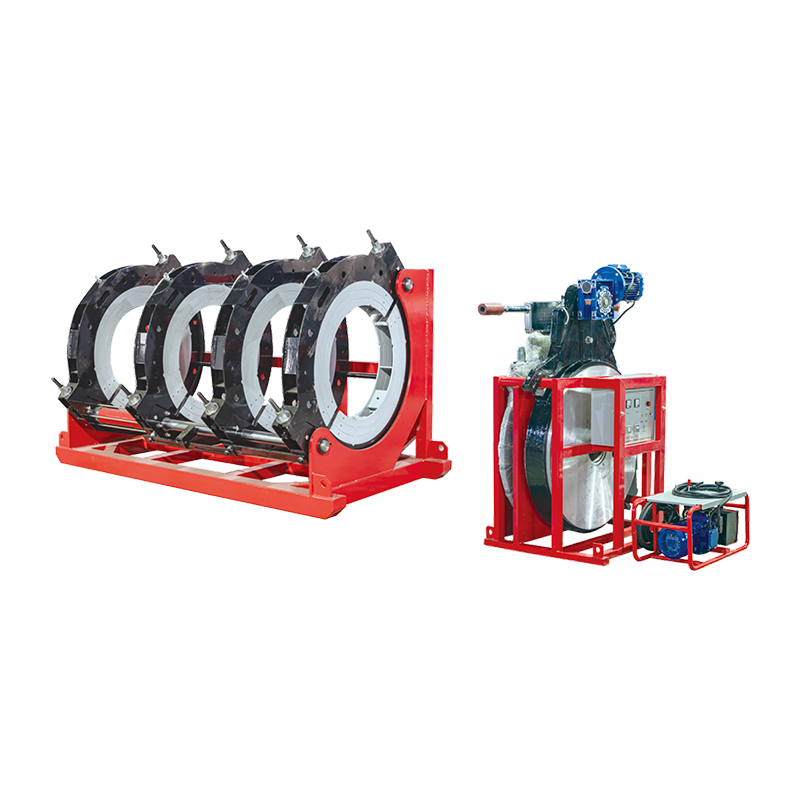
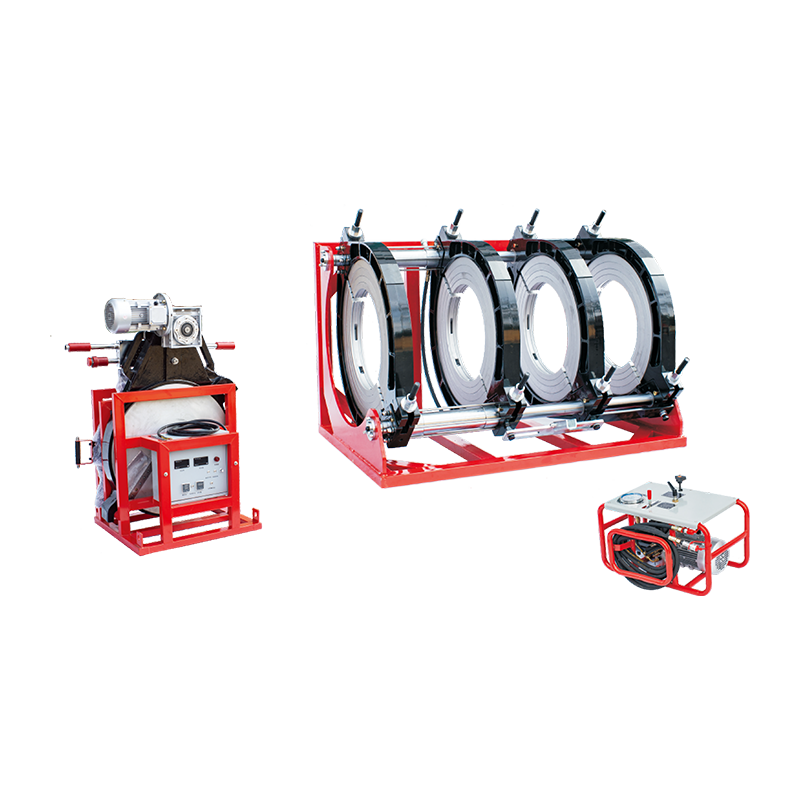
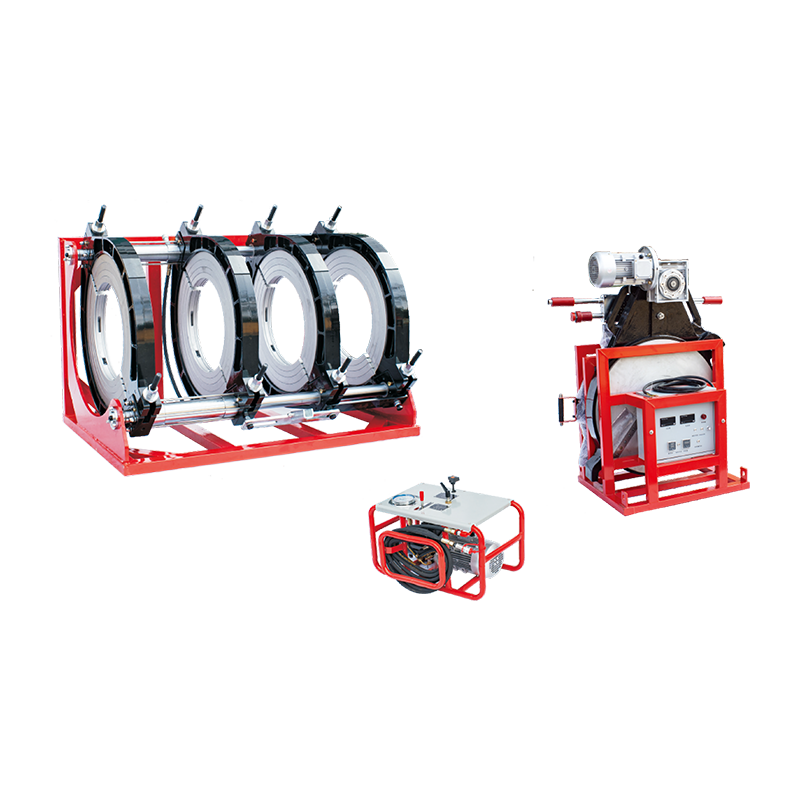
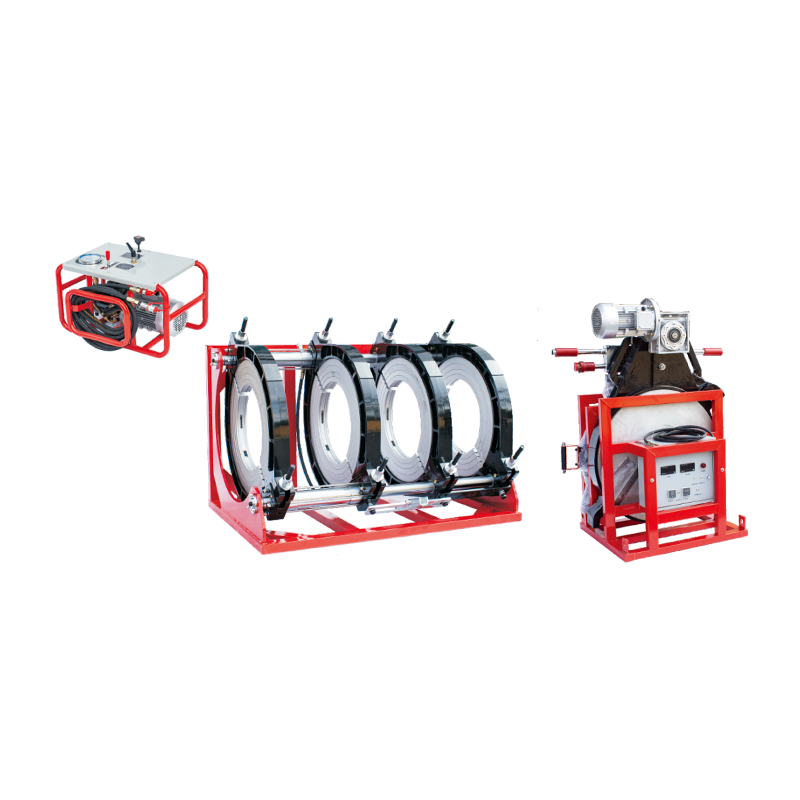
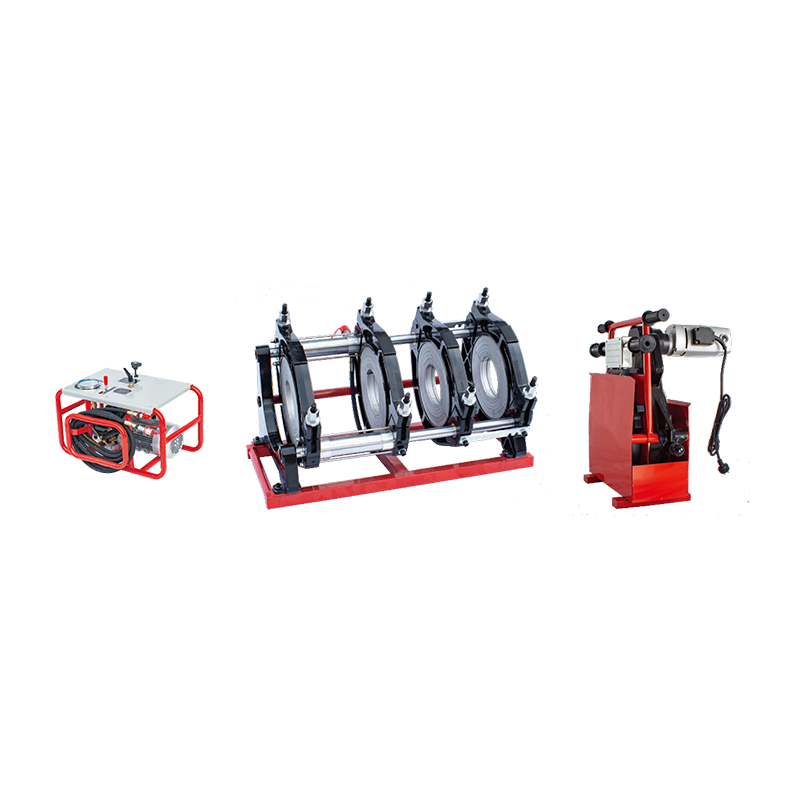
A butt fusion welding machine joins two pipe ends by pressing them against a heated plate until the mating surfaces reach the correct melt state, then removing the plate and pressing the molten surfaces together under controlled pressure until the joint cools. The process sounds simple, but the precision required varies considerably by material.
Temperature Control and Material Response
Different thermoplastics require different heater plate temperatures. HDPE tolerates a relatively wide window of 200°C to 230°C, while PVDF and PP-R need precise control closer to their upper limits. Modern butt fusion welding machines — particularly hydraulically driven, data-logging CNC models — maintain heater plate temperatures within ±5°C of the setpoint throughout the heat soak phase. This level of consistency is not achievable with older manually operated equipment.
Fusion Pressure Calculation
The fusion pressure applied during the joining phase is calculated based on the pipe's cross-sectional area and material. For HDPE, the standard joining pressure is typically 0.15 N/mm² of pipe cross-section, per DVS 2207-1 and ISO 21307. For PP and PVDF, different values apply. A butt fusion welding machine operator must input accurate pipe dimensions to ensure the hydraulic system delivers the correct force — applying too much pressure squeezes molten material out of the joint, creating a thin, weak bond; too little leaves voids.
Cooling Time and Ambient Conditions
Cooling time is not simply a timer — it is a function of pipe wall thickness and ambient temperature. Standard cooling time formulas for HDPE under DVS guidelines use a factor of approximately 10–11 minutes per 10 mm of wall thickness. In cold weather, this cooling period must be extended, and the joint must be shielded from wind and rain. Butt fusion welding machines with environmental enclosures or tent systems are used in field applications to maintain consistent conditions across varying climates.
Data Recording and Traceability
In critical infrastructure projects — gas mains, water distribution networks, industrial pipelines — regulatory bodies require that every weld be traceable. Modern butt fusion welding machines record temperature, pressure, time, and operator data for each joint, storing this information on internal memory or transmitting it wirelessly to project management software. This creates an auditable record that can be reviewed during commissioning or in the event of a later failure investigation.
Industry Standards Governing Fusion Welding by Material
Selecting the right material for fusion welding is not just an engineering decision — it is a regulatory one. Different industries and geographies impose specific standards on which materials can be used and how welding must be conducted.
- DVS 2207 (Germany/EU): Covers the fusion welding of thermoplastics including HDPE, PP, PVC, PVDF, and others. Part 1 addresses hot plate butt welding of pipes and fittings made from PE, and provides temperature, pressure, and timing parameters by pipe dimension.
- ISO 21307: International standard for butt fusion welding of polyethylene pipes and fittings. It specifies two procedures — standard and modified — allowing for different heat soak and joining pressures based on pipe wall thickness.
- ASTM F2620 (USA): Standard practice for heat fusion joining of polyethylene pipe and fittings, widely referenced in North American gas and water utility projects.
- EN ISO 9606 / AWS D1.1: Qualification standards for metal fusion welding procedures and welders, covering materials from carbon steel to titanium alloys.
- ASME Section IX: Governs the qualification of welding procedures and welders for pressure vessels and piping systems, applicable to metallic fusion welding in the process industries.
Compliance with these standards is not optional in regulated environments. A butt fusion weld performed on HDPE pipe for a gas distribution network must follow the applicable national standard — deviation from prescribed temperatures, pressures, or time parameters can invalidate the weld and require joint excavation and replacement.
Selecting the Right Butt Fusion Welding Machine for Your Material
Not every butt fusion welding machine is suitable for every material. Choosing the wrong machine — or using a machine incorrectly configured for the material — is a leading cause of fusion joint failure in the field.
Machine Capacity and Pipe Diameter
Butt fusion welding machines are rated by pipe diameter range. Entry-level machines handle pipes from 63 mm to 250 mm; mid-range machines cover up to 630 mm; large-diameter machines extend to 1600 mm or beyond. Attempting to weld at the extreme edges of a machine's rated range — particularly for thick-wall pipes in engineering-grade materials like PVDF — increases the risk of non-uniform heat distribution and inconsistent bead formation.
Heater Plate Temperature Range
Standard butt fusion welding machines for HDPE typically heat to a maximum of around 250°C. If you intend to weld PP-R (requiring up to 260°C) or PVDF, confirm that the machine's heater plate reaches and sustains the required temperature across its full face. Some lower-cost machines show hot and cold spots on the heater plate surface — a problem that becomes critical when working with tight-tolerance materials.
Hydraulic Pressure Precision
The hydraulic system must be capable of applying and holding the exact pressure required for the material and pipe dimensions being welded. For small-diameter pipes, the required fusion force can be very low — as little as a few hundred Newtons — and machines without proportional hydraulic control may overshoot. For large-diameter thick-wall pipes, forces can reach several hundred kilonewtons, requiring robust hydraulic cylinders and frame construction.
Material-Specific Settings and Software
Advanced butt fusion welding machines allow the operator to input pipe material, diameter, and wall thickness, after which the machine automatically calculates and manages all welding parameters. This is particularly valuable when switching between materials on a single project — for example, transitioning from HDPE water mains to HDPE gas mains that require different pressure class pipes — as it reduces the risk of using incorrect parameters from manual calculation errors.
Portability and Site Conditions
In trench work, remote installations, or confined spaces, machine portability is a real constraint. Tracked butt fusion welding machines — which move with the pipe as welding progresses along a route — are used for long-run installations. These are typically diesel or electric hydraulic units capable of operating continuously in outdoor conditions across a broad temperature range, from sub-zero winter environments to desert heat exceeding 45°C ambient.
Common Defects in Fusion Welded Joints and How to Avoid Them
Even with the correct material and the right machine, fusion welding defects occur when process parameters are not followed precisely. Understanding the most common defect types — and their root causes — helps operators and inspectors maintain quality standards.
- Cold fusion (insufficient heat soak): When the pipe ends are not heated to sufficient depth before joining, the fusion zone is shallow and weak. This is the most common cause of butt fusion joint failure in service. The joint may appear visually acceptable but fails under pressure cycling. Cold fusion can result from heater plate temperature being too low, heat soak time being too short, or the pipe ends losing heat during the changeover phase when the heater plate is removed.
- Overfusion (excessive heat or pressure): Applying too much heat or pressure drives molten material out of the joint, creating oversized beads and a thin, potentially weak bond zone. While an oversize bead is sometimes mistaken for a strong weld, excessive material displacement indicates that the fusion zone cross-section has been reduced.
- Contamination: Dirt, moisture, grease, or pipe coatings on the pipe end face prevent proper fusion. Pipe ends must be freshly faced using the machine's facing tool immediately before welding, and the faced surface must not be touched, exposed to rain, or contaminated between facing and heating.
- Misalignment: Pipes that are not coaxially aligned during the joining phase create an eccentric weld bead and uneven stress distribution. Most butt fusion welding machines have alignment clamps that maintain concentricity, but worn clamps or incorrect pipe support can allow drift.
- Premature removal from clamps: Removing the welded joint from the machine before it has fully cooled under pressure leads to deformation of the still-soft weld zone. Cooling time tables must be followed, particularly in hot ambient conditions where material may remain plastic for longer than expected due to slower heat dissipation from the surrounding environment.
Testing and Quality Assurance for Fusion Welded Joints
Once a fusion weld is completed, it must be verified — particularly in critical applications. Several testing methods are available for both thermoplastic and metallic fusion welds.
Visual Inspection of Butt Fusion Beads
For thermoplastic butt fusion joints, the first line of assessment is visual inspection of the fusion bead. A correctly formed HDPE butt fusion bead should be uniform in width, symmetrical on both sides of the joint, and free from notches, pits, or deep grooves at the bead root. DVS and ISO standards provide specific bead height and symmetry tolerances based on pipe wall thickness. While a good bead does not guarantee a perfect weld, a bad bead almost always indicates a process problem.
Hydrostatic Pressure Testing
For pipeline systems, hydrostatic pressure testing verifies the integrity of the entire system, including all fusion joints. The system is pressurized to 1.5 times the maximum operating pressure and held for a defined period — commonly 4 to 24 hours. Any drop in pressure beyond the allowable tolerance indicates a leak, which must be located and repaired.
Bend Testing and Tensile Testing
Destructive testing of sample welds — cut from the same pipe lot and welded under the same conditions as production welds — provides the most direct evidence of joint quality. Bend test specimens are bent to a specified angle (typically 180° for PE welds), and the joint must not crack or delaminate in the fusion zone. Tensile tests verify that the joint strength meets or exceeds the minimum specified value, typically not less than the minimum tensile strength of the parent material.
Non-Destructive Testing for Metal Welds
For metallic fusion welds in pressure vessels, structural applications, and critical pipelines, non-destructive testing (NDT) methods are standard. Radiographic testing (RT) and ultrasonic testing (UT) are the primary methods for detecting internal defects such as porosity, lack of fusion, and cracks. Phased array ultrasonic testing (PAUT) is increasingly used for weld inspection in pipelines because it provides a full volumetric image of the weld cross-section without radiation hazards.