 English
 中文简体
中文简体 русский
 عربى
عربى

Content
Fusion welding machines are tools designed to permanently join sections of thermoplastic pipe or sheet material by melting the material surfaces and pressing them together. The melted plastic fuses as it cools, creating a strong, seamless bond. Here's a breakdown:
● Core Principle - Heat and Pressure:
▸These machines create joints by applying controlled heat to melt the plastic surfaces, followed by pressure to fuse them while cooling. The goal is to form a single, solid piece of material at the joint.
● Main Types of Fusion Welding Machines:
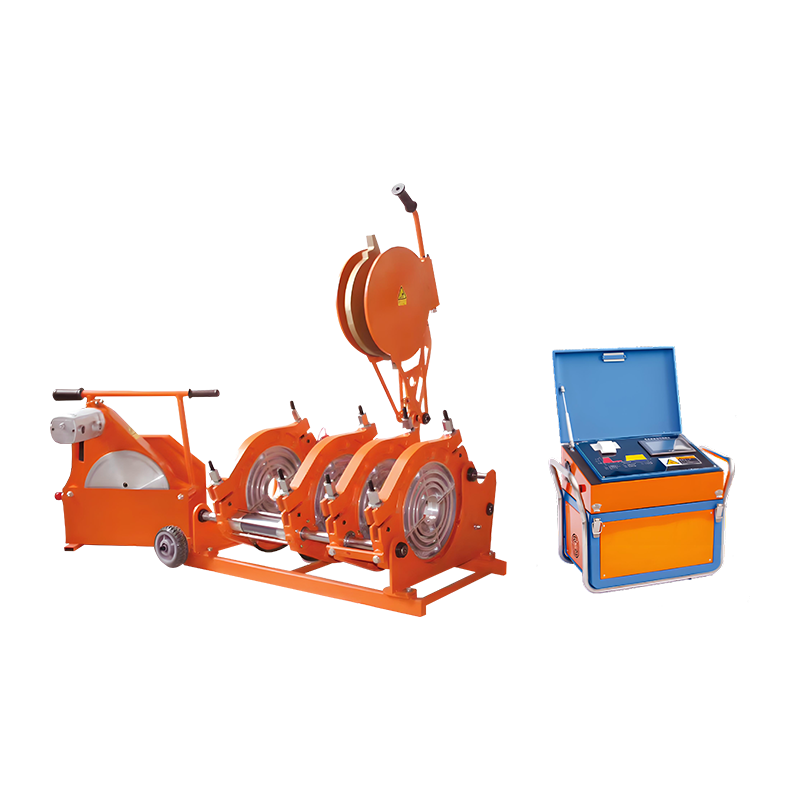
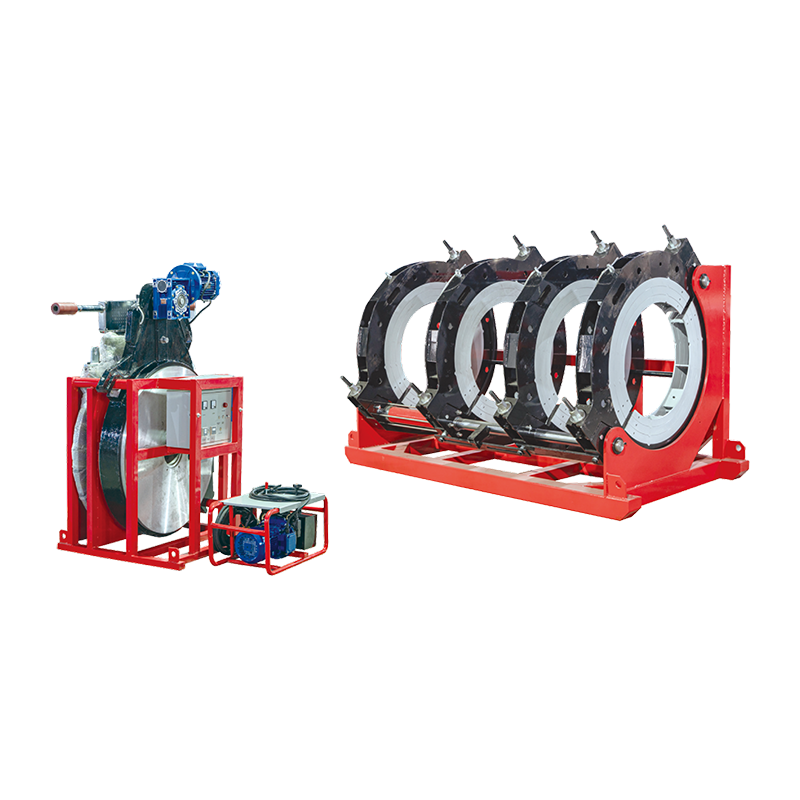
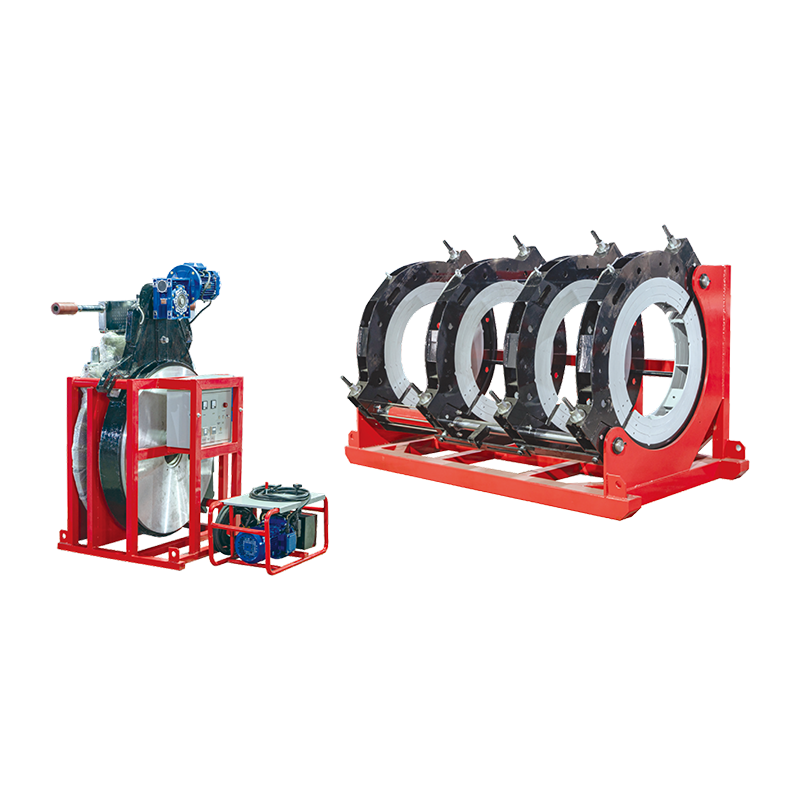
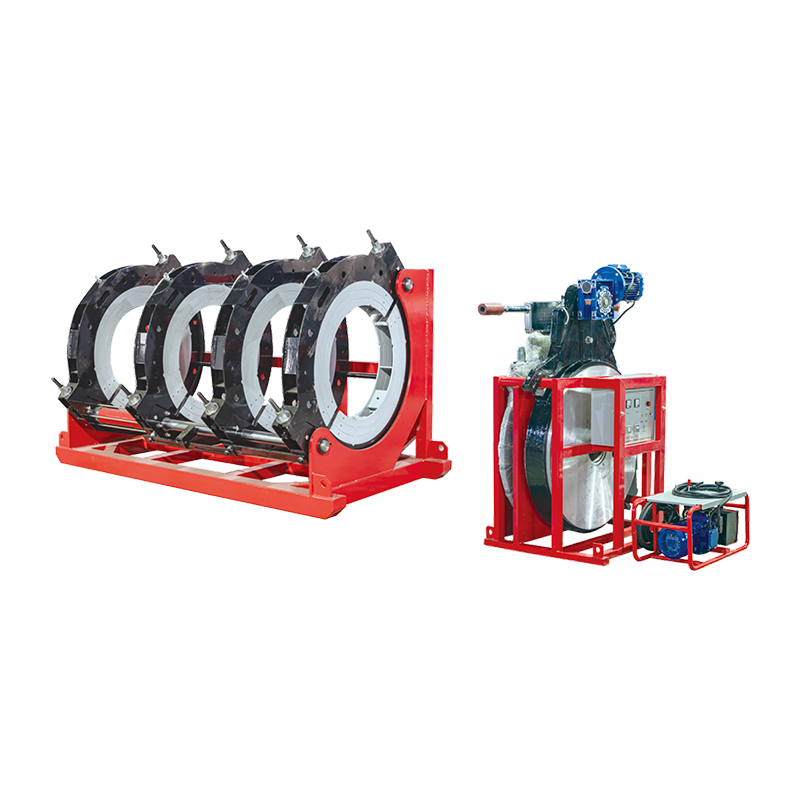
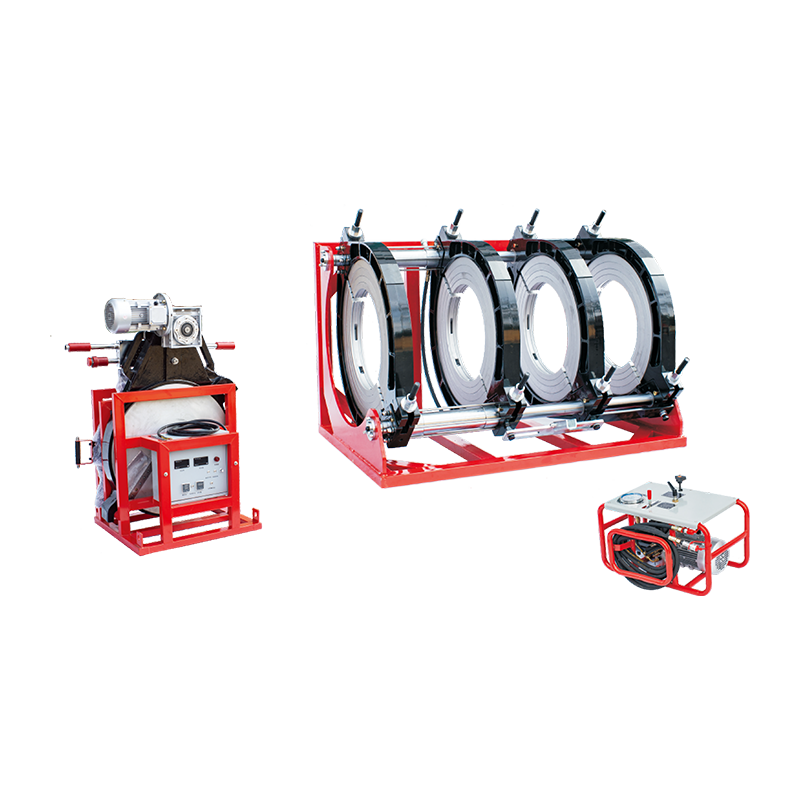
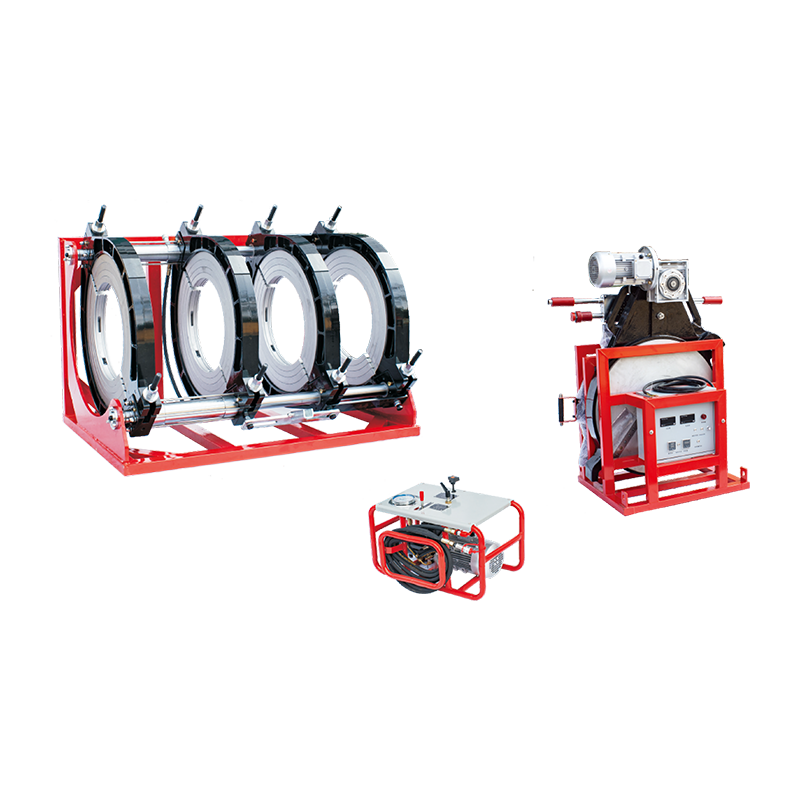
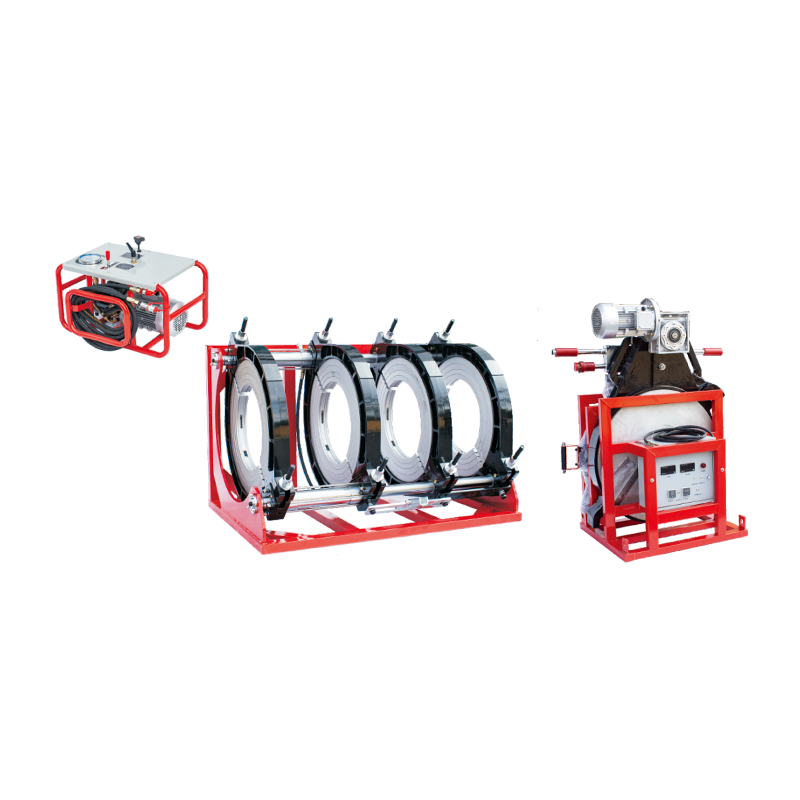
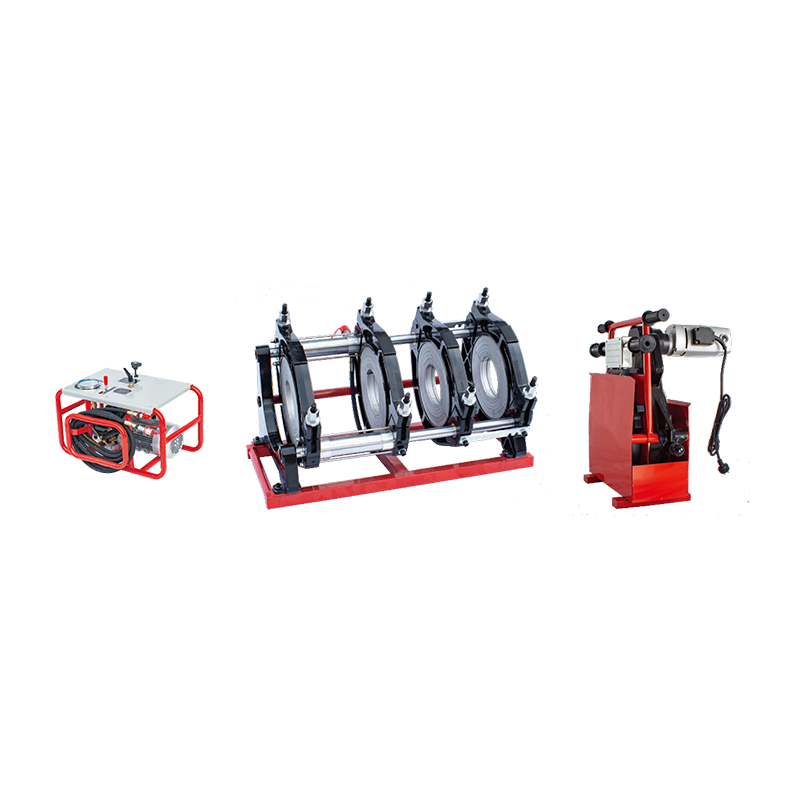
▸Butt Fusion Machines: Join pipe ends directly together. They clamp the pipes, heat the ends flat, then press them together under pressure to cool. Primarily used for straight pipe sections in water, gas, and industrial pipelines.
▸Socket Fusion Machines: Used for smaller diameter pipes and fittings (like elbows, tees). They simultaneously heat the outside of a pipe end and the inside of a fitting socket. Once hot, the pipe is quickly pushed into the socket and held until cool. Common in plumbing and smaller process lines.
▸Electrofusion Machines: Don't have their own heating element. Instead, they supply power to special electrofusion fittings. These fittings have embedded wires. Passing current through the wires heats the fitting and pipe surface, causing fusion. Controlled by a fusion box (the machine), which regulates power and time. Ideal for repairs, tie-ins, or awkward locations where larger machines can't go.
▸Extrusion Welding Machines: Used primarily for welding thermoplastic sheets or fabricating tanks/liners. They feed a rod of matching plastic into a heated nozzle, melting it. The operator then extrudes this molten plastic into the joint between two pieces, fusing them together. More manual and common in fabrication shops or field work on large structures.
● Key Components (Common Across Types):
▸Heating Elements: Plates (for butt/socket), electrical controls (for electrofusion), or hot air/nozzles (for extrusion).
▸Clamping System: Holds pipes, fittings, or sheets securely in place during heating and cooling.
▸Power and Control Unit: Provides the necessary electricity and regulates critical welding parameters like temperature, time, and often pressure. Electrofusion welding machines specifically focus on precise electrical control.
● Why Use Them (Key Advantages):
▸Strong, Homogeneous Joints: The fused joint becomes part of the material, matching its strength and properties – no weak spots like glued or mechanical joints.
▸Leak-Proof: Creates a seamless internal surface, eliminating potential leak paths. Essential for pressurized fluids or gases.
▸Corrosion Resistant: Like the pipe itself, the joint resists chemicals and rust.
▸Long Service Life: Properly made fusion joints last as long as the pipe material.
▸Cost-Effective: Eliminates the need for flanges, gaskets, or other mechanical joining hardware for the pipe itself.
● Where They're Essential:
▸Piping Systems: Installing and repairing pipelines for water distribution, wastewater, natural gas, industrial chemicals, mining slurries.
▸Lining & Containment: Welding geomembrane liners for ponds, landfills, or tank fabrication.
▸Industrial Fabrication: Building chemical tanks, ducting, or other structures from thermoplastic sheets.
● Operator Skill Matters:
▸Successful pipe fusion relies heavily on the operator. They must follow specific procedures: clean surfaces, use the correct welding parameters (temp, time, pressure for the specific material/size), ensure proper alignment, and allow full cooling time.
▸Training and certification on the specific fusion welding machine type and material are crucial for reliable, leak-free joints.