 English
 中文简体
中文简体 русский
 عربى
عربى

Content
- 1 Which Metals Can Be Fusion Welded?
- 2 Carbon Steel: The Most Widely Fusion Welded Metal
- 3 Stainless Steel: Fusion Welding with Corrosion Integrity in Mind
- 4 Aluminum: Fusion Welding Challenges and Solutions
- 5 Titanium: Fusion Welding in Reactive Metal Territory
- 6 Nickel Alloys: Fusion Welding for Extreme Environments
- 7 Copper and Copper Alloys: Managing High Thermal Conductivity
- 8 Cast Iron: Fusion Welding with Care
- 9 Metals That Cannot or Should Not Be Fusion Welded
- 10 The Role of Butt Fusion Welding Machines in Metal Pipeline Applications
- 11 Fusion Welding Process Selection by Metal Type
- 12 Factors That Determine Fusion Weldability of Any Metal
- 13 Summary: Metal Fusion Weldability at a Glance
Which Metals Can Be Fusion Welded?
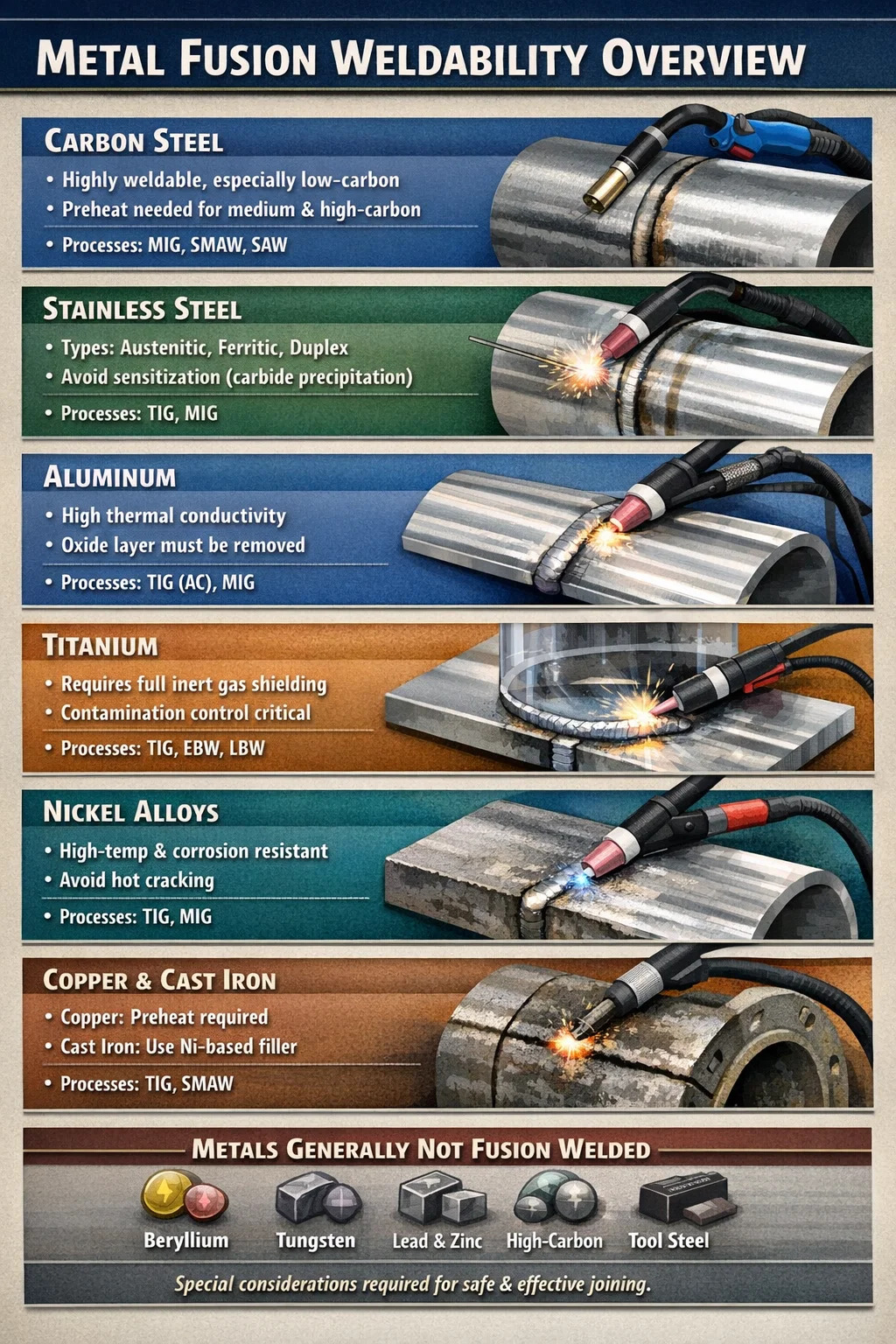
The short answer: most structural metals can be fusion welded, but the ease and quality of the weld depend heavily on the metal's composition, thermal properties, and metallurgical behavior under heat. Carbon steel, stainless steel, aluminum, copper, titanium, nickel alloys, and cast iron are among the most commonly fusion welded metals in industrial and construction applications. Each material demands specific process parameters, filler materials, and equipment — including specialized butt fusion welding machines for certain thermoplastic-lined or pipe-based applications.
Fusion welding works by melting the base metal — with or without a filler — to form a molten pool that solidifies into a continuous joint. The process applies to metals because they conduct heat, melt at defined temperatures, and can re-solidify with acceptable mechanical properties if the thermal cycle is managed correctly. The challenge is that each metal has a unique melting point, thermal conductivity, oxidation behavior, and sensitivity to hydrogen or other contaminants.
Understanding which metals respond well to fusion welding — and which require extra precautions — is critical for engineers, fabricators, and procurement teams selecting welding processes or butt fusion welding machines for pipeline, structural, or precision manufacturing projects.
Carbon Steel: The Most Widely Fusion Welded Metal
Carbon steel accounts for the vast majority of fusion welding performed globally. Low-carbon steel (with carbon content below 0.30%) is considered highly weldable and requires minimal preheat under normal conditions. Medium-carbon steel (0.30%–0.60% carbon) can be fusion welded but benefits from preheating to between 150°C and 260°C to prevent cracking. High-carbon steel (above 0.60% carbon) is significantly harder to weld and often requires post-weld heat treatment to relieve residual stresses.
The carbon equivalent (CE) formula — commonly expressed as CE = C + Mn/6 + (Cr+Mo+V)/5 + (Ni+Cu)/15 — is used to predict weldability. A CE value below 0.40 generally indicates good weldability without preheat, while values above 0.60 signal a high risk of hydrogen-induced cracking.
Common fusion welding processes for carbon steel include MIG (GMAW), TIG (GTAW), SMAW (stick welding), and submerged arc welding (SAW). For pipe applications such as oil and gas transmission lines, butt fusion welding and butt weld joints created with automated welding systems are standard practice. Butt fusion welding machines used in pipeline construction apply heat and pressure to form a continuous, seamless joint that matches the mechanical integrity of the parent pipe.
Low-Alloy Steel and High-Strength Grades
High-strength low-alloy (HSLA) steels, used in structural beams, pressure vessels, and offshore structures, are fusion welded with careful heat input control. Excessive heat input can coarsen the heat-affected zone (HAZ) grain structure, reducing toughness. Standards such as AWS D1.1 (Structural Welding Code) and ASME Section IX govern the qualification of welding procedures for these grades, ensuring consistent joint performance.
Stainless Steel: Fusion Welding with Corrosion Integrity in Mind
All major stainless steel families — austenitic, ferritic, martensitic, duplex, and precipitation-hardening — can be fusion welded, though each group presents distinct challenges. Austenitic stainless steels like 304 and 316 are the most weld-friendly and are routinely joined using TIG, MIG, and plasma arc processes. The key concern is sensitization: when austenitic stainless is held in the 425°C–850°C range, chromium carbides precipitate at grain boundaries, reducing intergranular corrosion resistance.
To counter sensitization, fabricators use low-carbon grades (e.g., 304L, 316L) or stabilized grades containing titanium or niobium (e.g., 321, 347). Maintaining low interpass temperatures — typically below 150°C for austenitic grades — and using matching filler metals such as ER308L or ER316L helps preserve corrosion performance in the finished weld.
Duplex stainless steels (e.g., 2205, 2507) require precise heat input to maintain the balanced austenite-ferrite microstructure. Too little heat promotes excess ferrite, reducing toughness; too much heat causes intermetallic phase precipitation. Welding procedures for duplex grades typically specify heat inputs between 0.5 and 2.5 kJ/mm and interpass temperatures below 100°C.
For food processing, pharmaceutical, and semiconductor applications, orbital TIG welding is the preferred fusion welding method for stainless steel tube and pipe, delivering full-penetration butt welds with controlled heat input and minimal contamination.
Aluminum: Fusion Welding Challenges and Solutions
Aluminum is fusion welded extensively in aerospace, marine, automotive, and construction industries. The most commonly welded alloys belong to the 1xxx, 3xxx, 5xxx, and 6xxx series. The 5xxx series (Al-Mg alloys) and 6xxx series (Al-Mg-Si alloys) are considered the most weldable, while 2xxx (Al-Cu) and 7xxx (Al-Zn) series alloys are prone to hot cracking and are generally considered difficult or non-weldable without specialized procedures.
Aluminum melts at approximately 660°C and has a thermal conductivity roughly four times that of steel, meaning it dissipates heat rapidly and requires higher amperage for fusion welding. Its native oxide layer (Al₂O₃) melts at around 2050°C — far above the base metal — so it must be removed by mechanical cleaning or broken down by the arc's cathodic cleaning action during AC TIG welding.
MIG welding (GMAW) with argon shielding gas and a push-pull wire feed system is widely used for aluminum fabrication. TIG welding (GTAW) with AC power is preferred for precision work and thinner sections. Filler alloy selection is critical: ER4043 (Al-Si) provides good fluidity and crack resistance, while ER5356 (Al-Mg) offers higher strength and is recommended for 5xxx and 6xxx base metals.
Porosity is a persistent issue in aluminum fusion welds, caused by hydrogen absorption from moisture in the base metal surface, filler wire, or shielding gas. Strict cleanliness protocols — including degreasing, wire brushing with a dedicated stainless brush, and storing filler wire in controlled environments — are essential to producing sound welds.
Aluminum Weldability by Series
| Series | Main Alloying Element | Fusion Weldability | Typical Applications |
|---|---|---|---|
| 1xxx | Pure Al | Excellent | Electrical conductors, chemical tanks |
| 3xxx | Manganese | Good | Heat exchangers, roofing |
| 5xxx | Magnesium | Excellent | Marine structures, pressure vessels |
| 6xxx | Magnesium + Silicon | Good | Structural extrusions, pipework |
| 2xxx | Copper | Poor (hot crack risk) | Aerospace structures |
| 7xxx | Zinc | Poor (SCC risk) | Aerospace, high-strength structures |
Titanium: Fusion Welding in Reactive Metal Territory
Titanium and its alloys — including commercially pure (CP) grades and Ti-6Al-4V — are fully fusion weldable but demand exceptional shielding from atmospheric contamination. Titanium reacts aggressively with oxygen, nitrogen, and hydrogen above 300°C, forming brittle oxides and nitrides that compromise weld integrity. The weld zone, back side of the weld, and any area still above 300°C must be protected by inert gas — typically argon or helium — throughout the welding and cooling cycle.
TIG welding is the dominant fusion welding process for titanium, used in aerospace, medical implant manufacturing, and chemical processing equipment. Welding chambers or trailing shields that maintain an inert atmosphere around the weld pool are standard. A properly shielded titanium weld bead should appear bright silver; a straw or gold color indicates minor oxidation, while blue or white indicates heavy contamination that requires the joint to be cut out and re-welded.
Ti-6Al-4V, the most widely used titanium alloy, has a melting point of approximately 1660°C and is weldable in the annealed condition. Post-weld annealing at 700°C–850°C is sometimes performed to relieve residual stresses. Electron beam welding (EBW) and laser beam welding (LBW) are also used for titanium, particularly for high-precision aerospace components where minimal heat input and distortion are critical.
Nickel Alloys: Fusion Welding for Extreme Environments
Nickel-based alloys, including Inconel 625, Inconel 718, Hastelloy C-276, and Monel 400, are used in high-temperature, high-pressure, and highly corrosive environments such as gas turbines, nuclear reactors, and chemical processing plants. All of these alloys can be fusion welded, though several — particularly precipitation-hardening grades like Inconel 718 — require carefully controlled preheat, interpass temperature, and post-weld heat treatment (PWHT) to avoid strain-age cracking.
TIG welding is preferred for nickel alloys in thin sections and critical applications, while MIG welding is used for heavier sections. Inconel 625 filler (ERNiCrMo-3) is one of the most versatile options, compatible with a wide range of nickel alloy base metals and commonly used for overlay cladding in butt weld joints on carbon steel pipes to improve corrosion resistance.
Hot cracking — caused by low-melting-point liquid films at grain boundaries — is the primary concern when fusion welding nickel alloys. Minimizing sulfur and phosphorus content in both the base metal and filler, using low heat input, and avoiding crater cracking by proper termination of the arc are standard mitigation measures.
Copper and Copper Alloys: Managing High Thermal Conductivity
Commercially pure copper (C11000) and copper alloys such as brass (Cu-Zn), bronze (Cu-Sn), and cupronickel (Cu-Ni) can all be fusion welded, though copper's extremely high thermal conductivity — approximately 385 W/m·K compared to 50 W/m·K for carbon steel — makes it challenging. Heat dissipates so quickly that achieving adequate fusion often requires preheating pure copper to 400°C–600°C before welding.
TIG welding with DCEN polarity and argon or argon-helium shielding gas is the most common fusion welding method for copper. MIG welding with silicon bronze filler wire (ERCuSi-A) is used for copper and copper alloy fabrication in plumbing, HVAC, and marine applications. Cupronickel alloys (90/10 and 70/30) are widely fusion welded for seawater piping systems in naval and offshore applications, using ERCuNi filler wire.
Brass containing more than 20% zinc presents porosity risks due to zinc vaporization during welding. For these alloys, fusion welding is generally replaced by brazing or soldering where possible, or performed with very low heat input and silicon bronze filler to seal the zinc loss.
Cast Iron: Fusion Welding with Care
Cast iron — particularly gray iron and ductile iron — can be fusion welded, but its high carbon content (typically 2.5%–4.0%) makes it susceptible to cracking in the HAZ due to the formation of hard, brittle martensite or white iron upon rapid cooling. Successful fusion welding of cast iron almost always requires full preheat to 250°C–650°C and slow cooling after welding, often achieved by covering the workpiece with insulating blankets or burying it in dry sand.
Nickel-based filler metals (such as ENi-CI and ENiFe-CI) are preferred for cast iron welding because nickel does not form carbides and produces a softer, more machinable deposit. SMAW (stick welding) with these electrodes is the most common approach for repair welding of cast iron components such as engine blocks, gear housings, and pump casings.
Cold welding — using short, intermittent weld beads and light peening to relieve stresses — is an alternative technique for gray iron when preheat is impractical, though results are less reliable than hot welding with full preheat and PWHT.
Metals That Cannot or Should Not Be Fusion Welded
Not all metals are suitable candidates for fusion welding. Some either cannot form a sound fusion weld due to metallurgical incompatibility, or the process introduces unacceptable degradation of properties.
- Tungsten and molybdenum — Refractory metals with melting points above 2600°C; fusion welding is possible with EBW or laser in a vacuum but impractical with conventional arc processes.
- Beryllium — Toxic fumes during melting make fusion welding a serious health hazard; diffusion bonding is preferred.
- Lead and zinc — Very low melting points and high vapor pressure lead to excessive fume generation and poor weld quality; soldering is the standard joining method.
- High-carbon tool steels (above 0.8% C) — Fusion welding is technically possible but results in severe HAZ cracking; friction welding or brazing is preferred for most tool steel joining.
- Dissimilar metal combinations with wide melting point differences — For example, welding copper directly to steel produces brittle intermetallic phases; explosion welding or mechanical fastening is typically used instead.
The Role of Butt Fusion Welding Machines in Metal Pipeline Applications
While the term "butt fusion welding machines" is most commonly associated with the joining of thermoplastic pipes (HDPE, PP, PVDF), the butt weld joint configuration is one of the most important joint types in metal fusion welding as well. In metal pipework, butt fusion welding — creating a full-penetration weld across the cross-section of abutting pipe ends — is a fundamental technique in oil and gas, water infrastructure, power generation, and chemical plant construction.
For metal pipes, automated orbital welding systems and mechanized butt fusion welding machines are used to produce consistent, high-quality circumferential butt welds. These machines clamp the pipe sections, align them precisely, and apply the welding arc in a controlled, repeatable manner. Automated butt welding machines for steel pipes can achieve weld speeds of 200–500 mm/min and are qualified under standards such as ASME B31.3, API 1104, and ISO 15614-1.
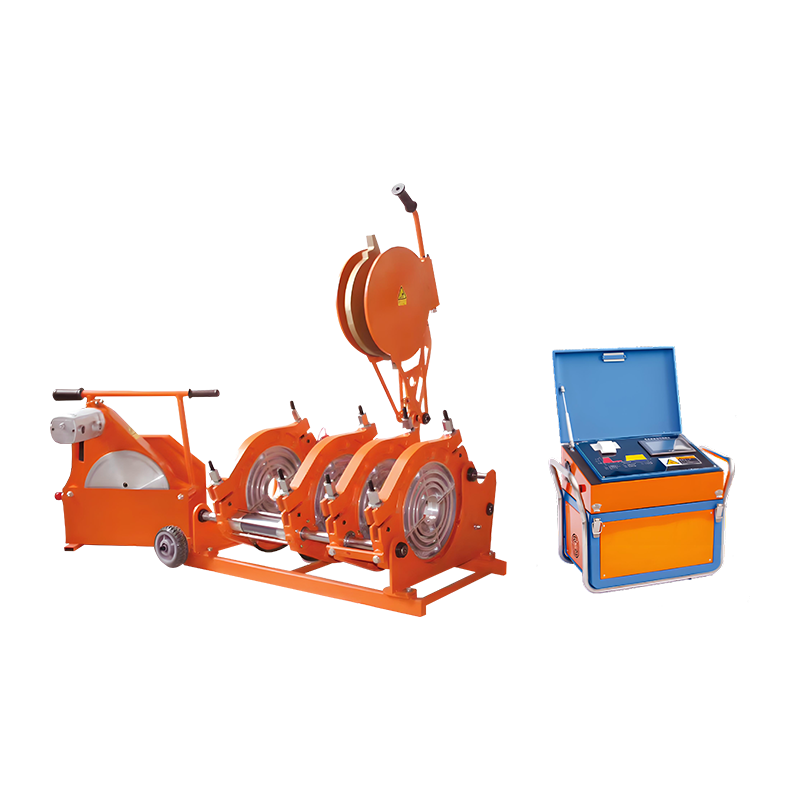
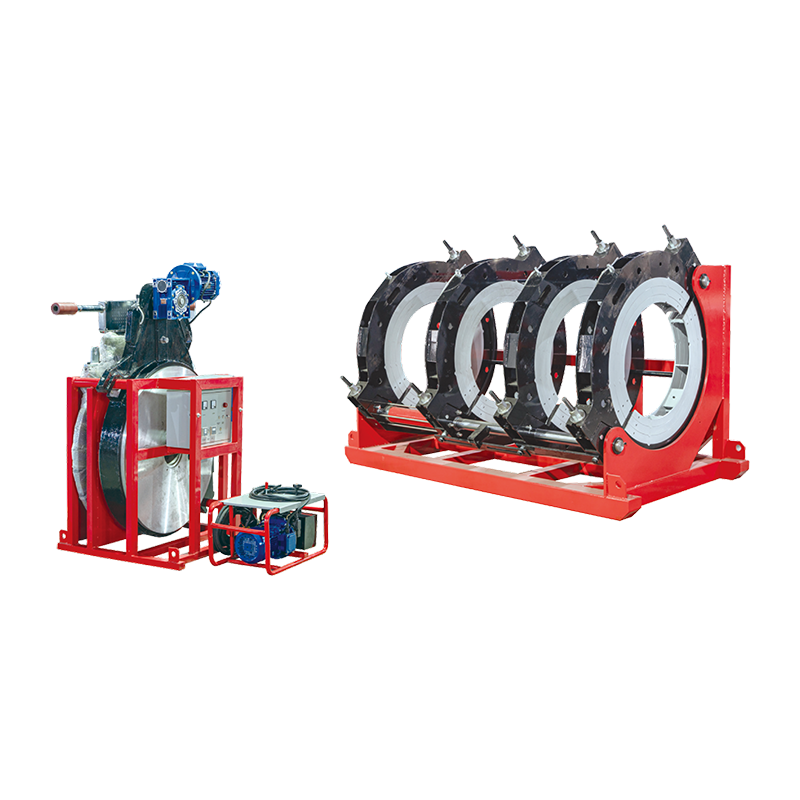
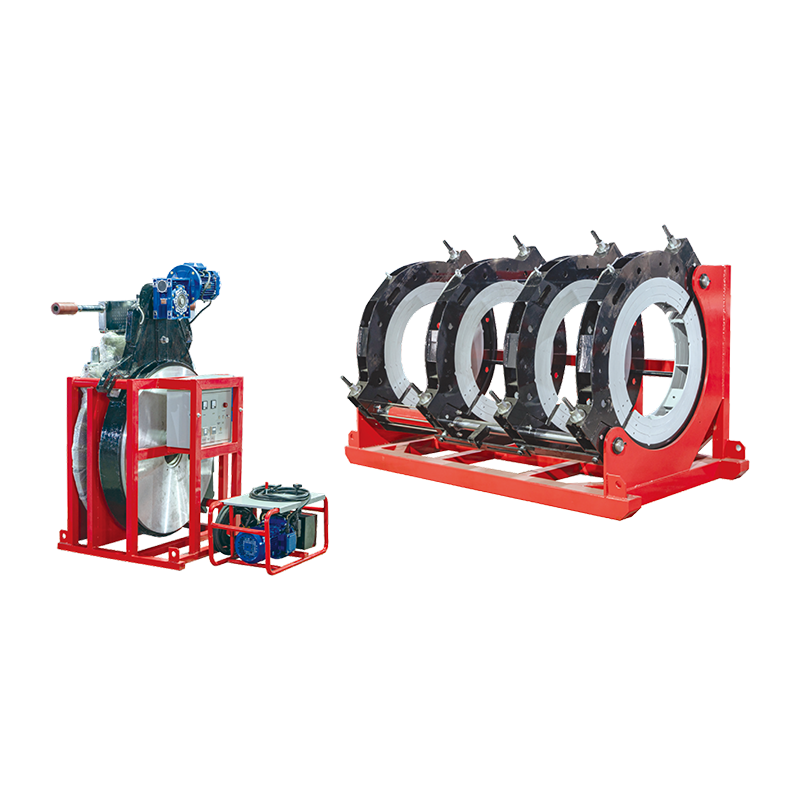
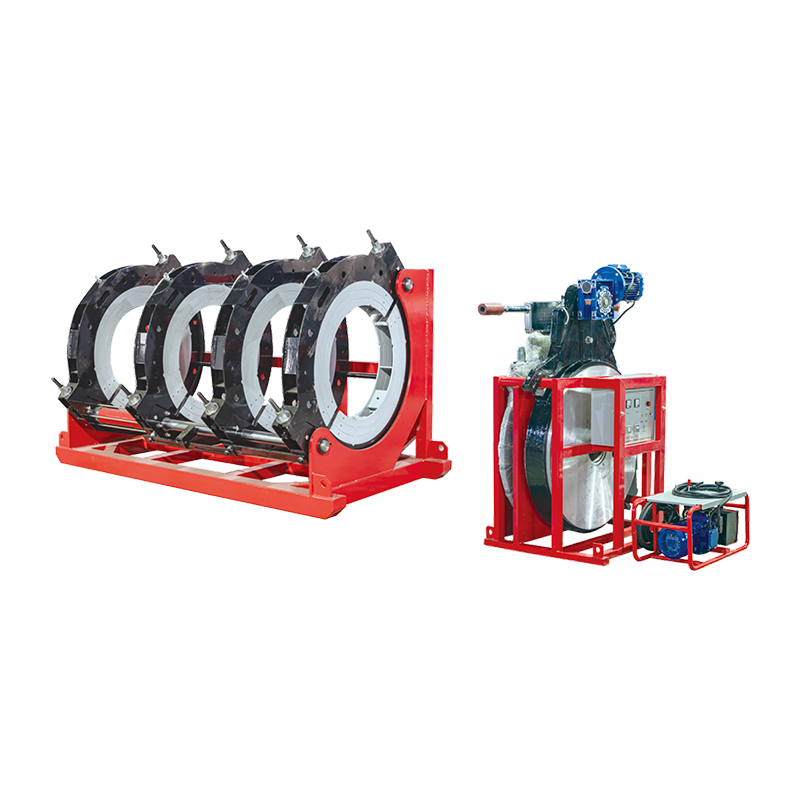
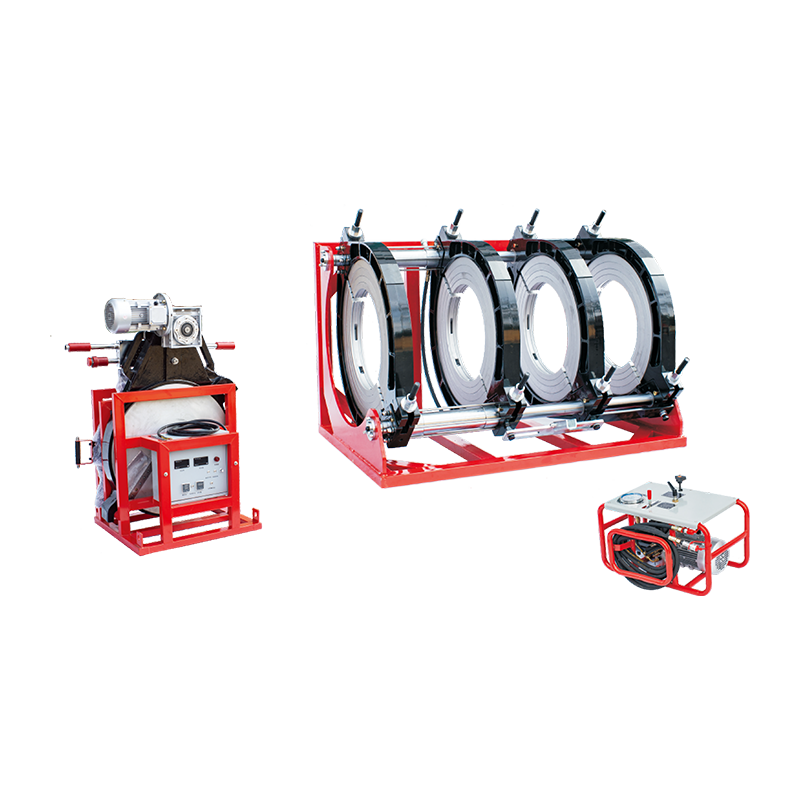
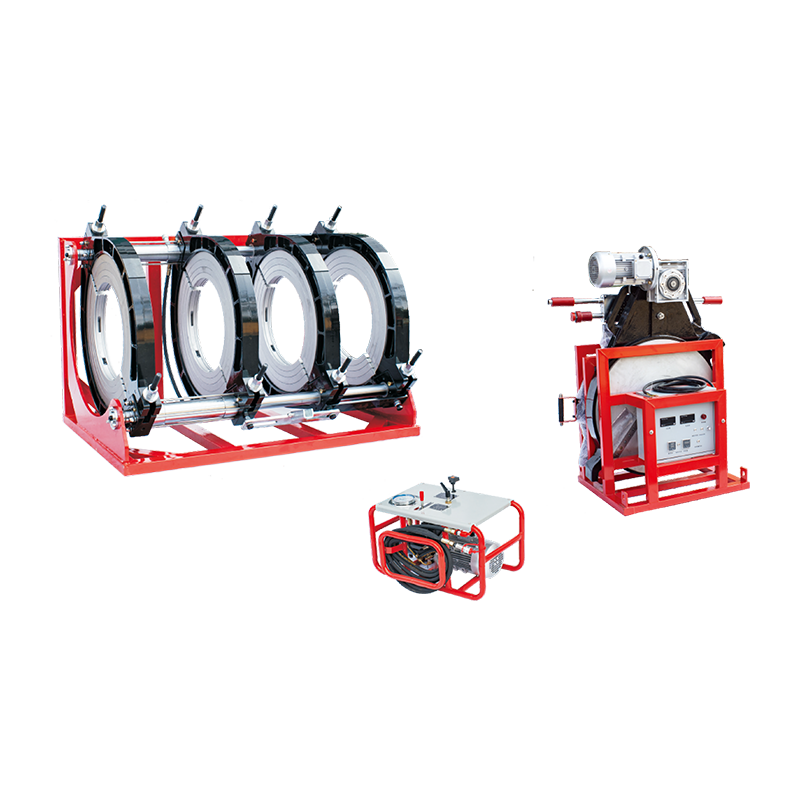
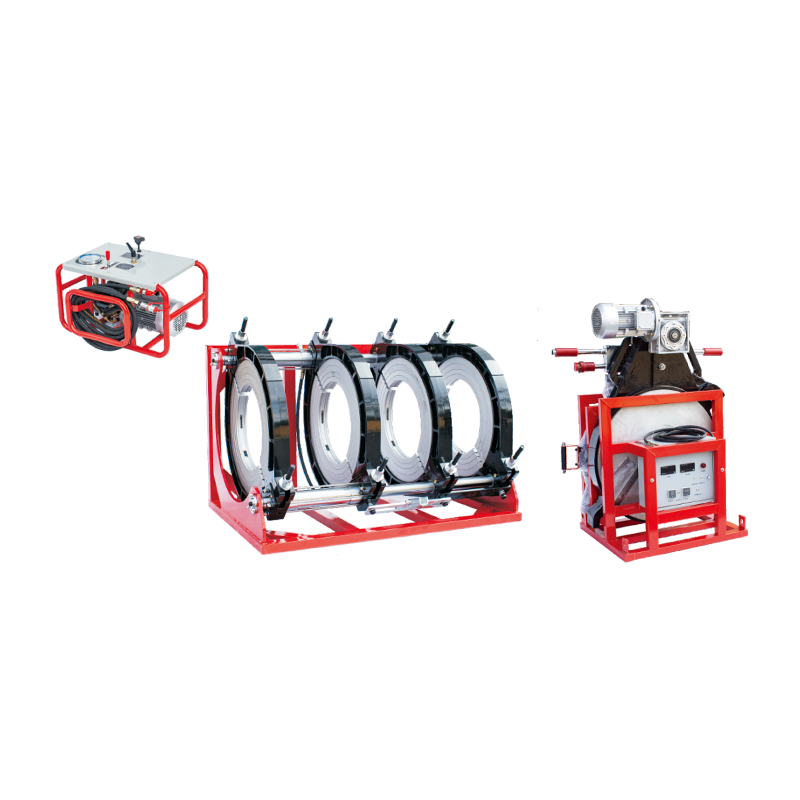
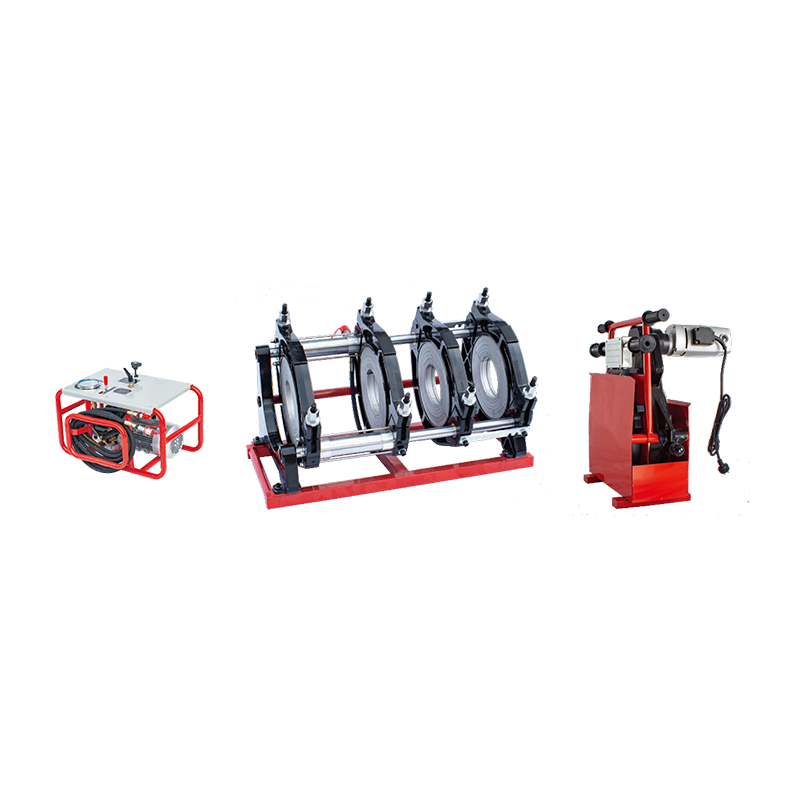
In HDPE and polypropylene pipe systems for municipal water, gas distribution, and industrial fluid handling, dedicated butt fusion welding machines use a heated plate to melt both pipe ends simultaneously before pressing them together under controlled pressure. This process does not involve arc welding but is described as fusion welding because the joint is formed by melting and re-solidifying the base material without a separate filler. Machines range from manual hydraulic units for small-diameter pipe (63mm–250mm) to fully automated CNC-controlled systems for large-diameter pipe (up to 1600mm or more).
Key Parameters Controlled by Butt Fusion Welding Machines
- Heating plate temperature — For HDPE, typically 200°C–230°C; deviation of more than ±10°C can produce weak joints.
- Fusion pressure — Applied during both the heating and cooling phases; calculated based on pipe outer diameter and wall thickness (SDR ratio).
- Heating time — Proportional to wall thickness; under-heating produces cold welds while over-heating degrades polymer properties.
- Cooling time under pressure — Premature release of pressure before the joint cools can distort the weld bead and reduce joint strength.
- Bead rollback — The melt bead that forms during contact should be uniform and symmetrical; asymmetric beads indicate misalignment or uneven temperature distribution.
Modern butt fusion welding machines used in both metal and plastic pipe industries increasingly incorporate data logging systems that record all process parameters for traceability. In regulated industries such as gas distribution and nuclear water systems, these records are mandatory under standards including ISO 12176-1 and EN 12007-3.
Fusion Welding Process Selection by Metal Type
Choosing the right fusion welding process for a given metal is as important as knowing whether the metal can be welded at all. The process affects heat input, shielding, deposition rate, distortion, and ultimately the mechanical and corrosion properties of the finished joint.
| Metal | Primary Process | Alternative Process | Key Precaution |
|---|---|---|---|
| Low-carbon steel | MIG, SMAW | SAW, TIG | Low hydrogen filler for thick sections |
| Austenitic stainless | TIG (GTAW) | MIG, Plasma arc | Control interpass temp; use L-grade filler |
| Aluminum (5xxx/6xxx) | AC TIG, MIG | Laser beam welding | Remove oxide layer; prevent porosity |
| Titanium | TIG with trailing shield | EBW, LBW | Full inert gas shielding above 300°C |
| Nickel alloys | TIG | MIG, SMAW | Prevent hot cracking; low heat input |
| Copper (pure) | TIG (DCEN) | MIG (Si bronze filler) | Preheat 400°C–600°C |
| Gray cast iron | SMAW (Ni electrode) | TIG (cold technique) | Full preheat; slow cooling |
Factors That Determine Fusion Weldability of Any Metal
Beyond metal type, several physical and chemical factors determine whether a given material will produce a sound fusion weld:
- Melting point and range — A narrow melting range (characteristic of pure metals) promotes good weld pool control; alloys with wide solidification ranges are more prone to hot cracking and segregation.
- Thermal conductivity — High conductivity (copper, aluminum) requires greater heat input; low conductivity (titanium, stainless) concentrates heat and can promote grain growth.
- Coefficient of thermal expansion — Large differences between base metal and filler, or between dissimilar metals being joined, can cause residual stress and distortion.
- Reactivity with the atmosphere — Titanium, zirconium, and reactive metals require inert shielding; carbon steel only requires basic shielding from oxidation and nitrogen pickup.
- Presence of elements causing embrittlement — Sulfur and phosphorus in steel, bismuth in copper alloys, and lead in free-machining grades can cause hot cracking; these elements should be minimized in weldable grades.
- Phase transformations on cooling — Martensitic transformation in high-carbon and certain alloy steels can produce brittle HAZs; this is managed through preheat, controlled heat input, and PWHT.
Understanding these factors allows welding engineers to develop procedures that consistently produce joints meeting the mechanical, dimensional, and service requirements of the application — whether using manual TIG on a precision aerospace titanium assembly or an automated butt fusion welding machine on a high-density polyethylene municipal water main.
Summary: Metal Fusion Weldability at a Glance
Most structural and engineering metals can be fusion welded with the right process, parameters, and consumables. Carbon steel remains the easiest and most extensively fusion welded material, followed by austenitic stainless steel and aluminum alloys in the 5xxx and 6xxx series. Titanium and nickel alloys are demanding but achievable; cast iron and high-carbon steels require the most care. Only a small group — beryllium, high-zinc brass, certain refractory metals, and some tool steels — are routinely avoided in fusion welding due to safety, metallurgical, or quality constraints.
For pipeline and pipe joining applications, butt fusion welding — whether achieved through hot-plate butt fusion welding machines for thermoplastic pipes or automated orbital welding systems for metal pipes — is one of the most reliable and widely qualified joint types in industrial use. Selecting the right equipment, following qualified welding procedures, and understanding the metallurgical behavior of the base material are the three pillars of producing fusion welds that perform safely throughout their service life.